Article source: Wilshire Law Firm
Alt Text:
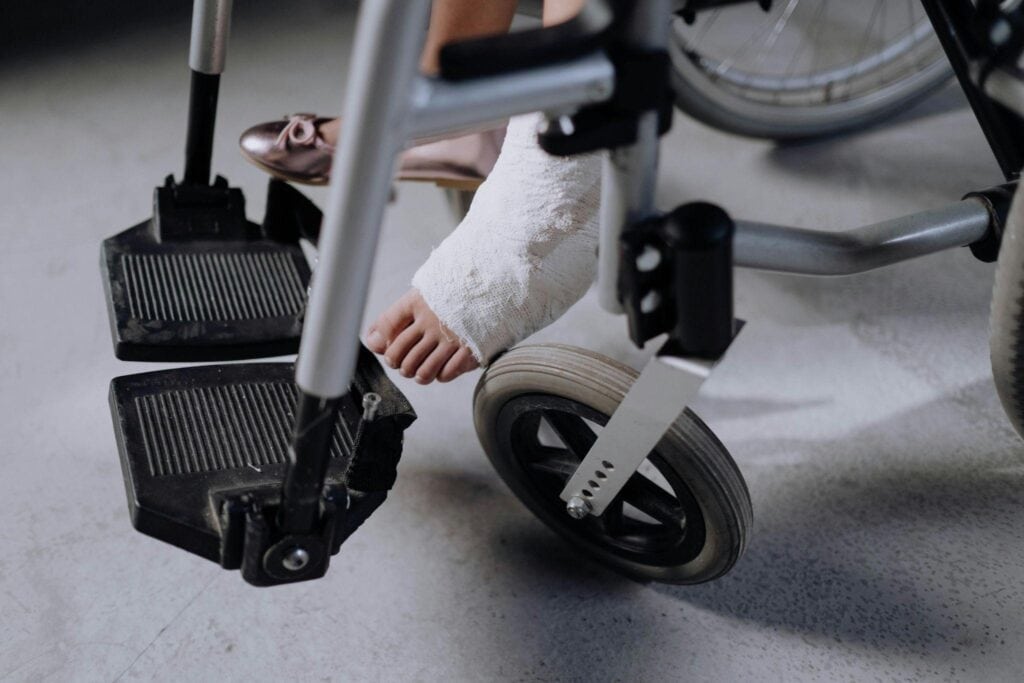
A person with a leg injury in a wheelchair, demonstrating the physical impact often documented in personal injury case evidence
Attribution:
Photo by cottonbro studio on Pexels
When someone is injured in an accident in California, the instinct is often to focus on recovery first and legal questions later. That instinct is understandable, but in the context of a personal injury claim, delay can have real consequences. Evidence degrades, witnesses become harder to locate, and the factual record on which a case depends grows weaker with time. How an injured person approaches evidence gathering in the days and weeks after an accident can have a greater impact on their claim than almost any other factor.
This article explains why evidence strategy matters, what types of evidence carry the most weight in California personal injury cases, and how attorneys work to build the factual foundation that supports a fair outcome.
What Evidence Is Most Important in a California Personal Injury Case?
California personal injury claims are built on proof of negligence, and that proof comes in several forms. Physical evidence, such as photographs of the accident scene, damaged vehicles, or hazardous property conditions, provides the most immediate documentation of what happened. Video footage from traffic cameras, dashcams, or nearby security systems can be decisive when liability is disputed.
Medical records play an equally critical role. They connect the accident to the injuries claimed, document the severity of harm, and support the calculation of both current and future medical costs. Gaps in treatment or delays between the accident and medical care can be used by opposing parties to argue that injuries were not as serious as alleged.
Witness testimony, accident reconstruction reports, and expert opinions from medical professionals or economists round out the evidentiary picture. In catastrophic injury cases, life-care planners and vocational experts may also provide testimony about the long-term financial impact of the injury.
Why Does Evidence Deteriorate After an Accident?
Physical evidence does not hold indefinitely. Skid marks fade, road conditions change, and accident scenes are cleared within hours. Surveillance footage is often overwritten on a 24- to 72-hour cycle unless a preservation request is made immediately. Vehicle data from onboard systems, sometimes called black box data, may also be overwritten or lost if not retrieved promptly.
Witness memory fades quickly after a traumatic event. Studies on eyewitness reliability consistently show that details become less accurate over time, particularly in high-stress situations. This is one reason personal injury attorneys emphasize contact with witnesses as early in the process as possible.
California’s discovery rules allow attorneys to request evidence from opposing parties and third parties, but those requests come with their own timelines. If evidence has already been lost or destroyed before litigation begins, there may be limited recourse.
How Do Personal Injury Attorneys Build an Evidence Strategy?
An experienced California personal injury attorney approaches a case as an investigator as much as an advocate. The process typically begins with a thorough review of all available documentation, including the police report, medical records, and any photographs the client has taken. From there, the attorney identifies gaps and develops a plan to fill them.
Spoliation letters, which are formal notices demanding that relevant evidence be preserved, are sent to potential defendants and third parties early in the process. These letters put the opposing party on notice that destroying evidence could result in serious legal consequences, including adverse jury instructions.
In complex cases involving commercial vehicles, defective products, or multi-party accidents on California freeways such as the I-5 or I-405, attorneys may retain accident reconstruction specialists to analyze physical evidence and provide an expert account of how the collision occurred. This type of analysis can be the difference between a contested liability dispute and a clear path to resolution.
What Role Does Documentation Play in Calculating Damages?
Evidence strategy is not just about establishing who was at fault. It also determines what compensation an injured person can realistically pursue. Economic damages, including medical expenses, future treatment costs, and lost wages, must be supported by documentation. Without thorough records, insurance companies and opposing counsel will challenge the numbers.
Non-economic damages, such as pain and suffering and loss of enjoyment of life, are more difficult to quantify but are still supported by evidence. Journals kept by the injured person, statements from family members about changes in daily life, and ongoing treatment notes all contribute to a fuller picture of how the injury has affected the claimant.
Firms like Wilshire Law Firm work with injury victims across California to build the documentary record needed to pursue full compensation. The attorneys at Wilshire Law Firm handle personal injury cases involving car accidents, truck collisions, premises liability, and catastrophic injuries, and offer free consultations to individuals who want to understand what evidence they may already have and what steps they should take next.
What Should Injured Californians Do to Protect Their Evidence?
In the immediate aftermath of an accident, the most valuable thing an injured person can do is document as much as possible. Photographs of the scene, the vehicles or hazard involved, visible injuries, and the surrounding environment should be taken before anything is moved or cleaned up. If the injury occurred on someone else’s property, the person should request that an incident report be filed and should keep a copy.
Medical treatment should begin as soon as possible and should be consistent. Skipping appointments or stopping treatment early can create gaps in the medical record that are difficult to explain later. Any symptoms, even those that seem minor at first, should be reported to a healthcare provider and documented.
All communications with insurance adjusters should be approached carefully. Recorded statements made without legal guidance can be used to minimize a claim. An attorney can handle these communications on behalf of an injured person from the earliest stages of the claim.
Key Takeaways
In California personal injury cases, the strength of the evidence shapes the outcome at every stage, from initial negotiations to potential trial. Injured individuals who take immediate steps to document what happened, preserve relevant records, and consult with an attorney early in the process are in a far stronger position than those who wait. The claims process is not simply about what occurred but about what can be proven, and a well-executed evidence strategy is the foundation on which fair compensation is built.
This article is intended for general informational purposes only and does not constitute legal advice. For guidance specific to your situation, consult a licensed California attorney.