By the LawFuel Senior Editorial Team
While Elon Musk’s legal team tried to transform a federal courtroom in Oakland, California into an existential debate about the fate of human civilization and a “stolen charity,” Sam Altman’s defenders quietly built a procedural guillotine.
A unanimous nine-member federal advisory jury took less than two hours to reject all of Musk’s claims against OpenAI, CEO Sam Altman, and President Greg Brockman, which presumably was both surprising and disappointing for the multi-billionaire.
U.S. District Judge Yvonne Gonzalez Rogers immediately adopted the verdict from the bench, dismissing the case in full. The same statute-of-limitations finding wiped out Musk’s aiding-and-abetting claim against Microsoft, an early backer of OpenAI’s for-profit arm.
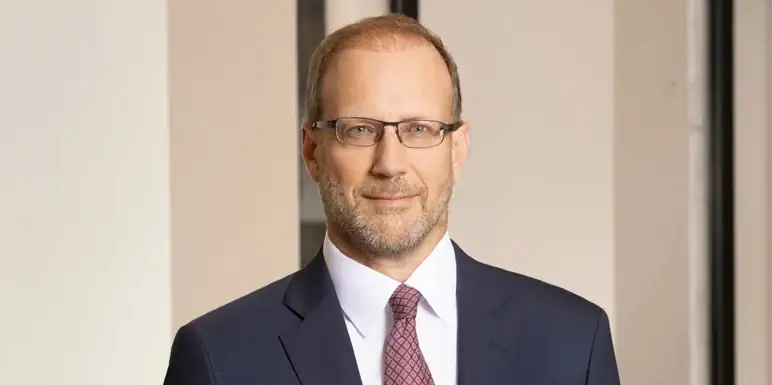
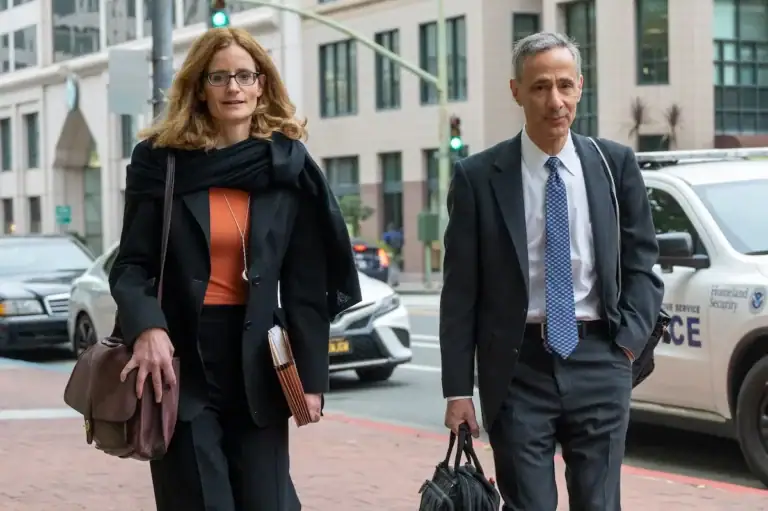
The legal minds behind the defense — Wachtell, Lipton, Rosen & Katz partners William Savitt and Sarah K. Eddy — were named The American Lawyer‘s “Litigators of the Week” for the win. But the bigger story is how they won: not by engaging the high-minded debate over artificial general intelligence and OpenAI’s founding mission that Musk’s team wanted to fight, but by refusing to fight on those terms at all. They executed a clinical statute-of-limitations defense, and the jury never had to reach the merits.
The stakes were considerable. Musk had sought up to $134 billion in damages and an order unwinding OpenAI’s restructuring into a public benefit corporation. He had also asked the court to remove Altman and Brockman. The verdict clears the runway for OpenAI’s much-anticipated IPO, reportedly being prepared at a valuation approaching $1 trillion.
Meanwhile, Musk has vowed to appeal to the 9th Circuit, calling the result on X a “calendar technicality” and wrote that “Altman & Brockman did in fact enrich themselves by stealing a charity.” His attorney Marc Toberoff put it more concisely outside court: “I can sum it up in one word: appeal.”
The Tactics: Weaponizing Time, and Turning Musk’s Own Witness
The media expected a sprawling philosophical showdown over whether OpenAI breached an implied “founding contract.” Savitt and Eddy delivered a tighter strategy.
Rather than fight Musk’s narrative about Altman’s character or AGI safety, the defense kept the jury’s eye on the calendar. They demonstrated that Musk knew about OpenAI’s shift toward a for-profit structure as far back as 2017–2018 — well outside California’s three-year statute of limitations when he filed his lawsuit in 2024. The verdict form put the statute-of-limitations question first, and once the jury answered it, the merits never came up.
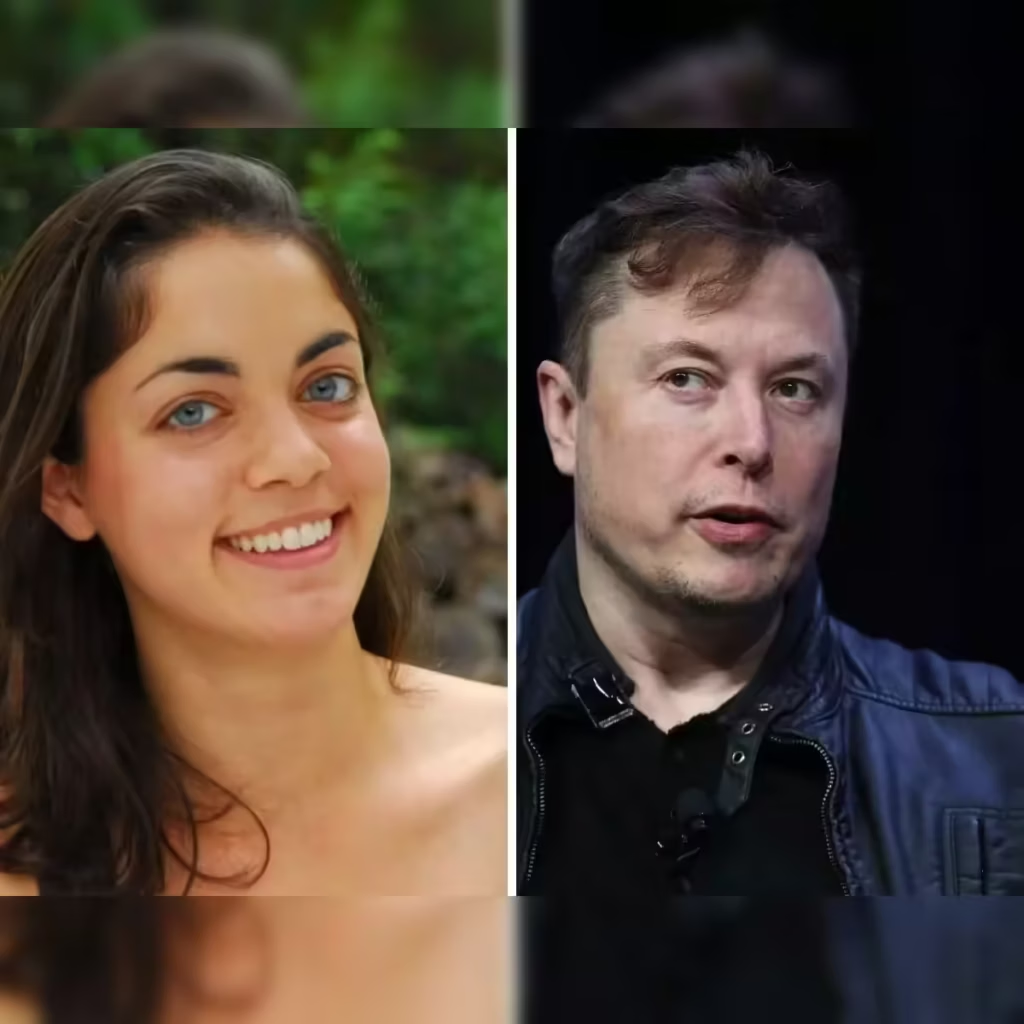
In one of the trial’s defining moments, Eddy cross-examined Shivon Zilis, (pictured above with Musk) Musk’s longtime adviser, the mother of four of his children, and a former OpenAI board member from 2020 to 2023. Zilis had been put forward as a sympathetic insider witness for Musk’s side. Eddy methodically walked her through contemporaneous documents showing Musk knew about OpenAI’s creation of a for-profit subsidiary and had even considered investing in it. Musk ultimately declined to invest, but, as Zilis acknowledged on the stand, he was “supportive in spirit.” That admission — drawn out without theatrics — gutted the timeline Musk needed.
MIT Technology Review described Eddy’s cross-examination style as a “deceptively soothing voice.” The result was a witness who calmly conceded the documents said what they said.
Profile 1: William Savitt — The Musk Whisperer of Wall Street
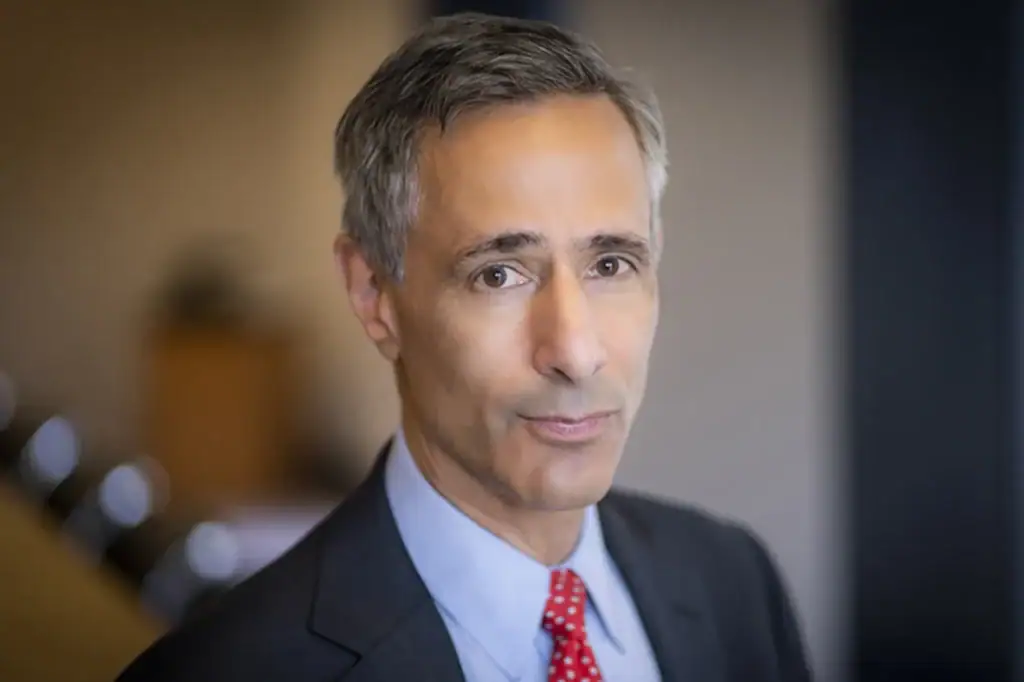
William “Bill” Savitt is a partner at Wachtell, Lipton, Rosen & Katz, where he co-chairs both the Executive Committee and the Litigation Department. A lecturer in law at Columbia, he is widely regarded as one of the country’s premier boardroom defenders.
What much of the tech press missed is that Savitt has a psychological blueprint on Musk. In 2022, Savitt led Wachtell’s representation of Twitter in the Delaware Chancery Court, successfully forcing Musk to complete his $44 billion acquisition after he tried to walk away.
Having faced Musk before, Savitt understood a key truth: Musk thrives on chaos, media spectacle, and grand narratives. The counter is corporate sobriety. While Musk’s trial team — including longtime litigator Steven Molo — pressed jurors on whether they would “walk across a bridge built on Altman’s word,” Savitt stayed disciplined.
After the verdict he told reporters: “We’re pleased that the jury reached the right result and reached it quickly. The finding of the jury confirms that what this lawsuit was a hypocritical attempt to sabotage a competitor and to overcome a long history of very bad predictions about what OpenAI has been and will become.”
Two encounters, two wins. Savitt now stands 2-0 against Elon Musk in bet-the-company litigation.
Profile 2: Sarah K. Eddy — The Surgical Closer
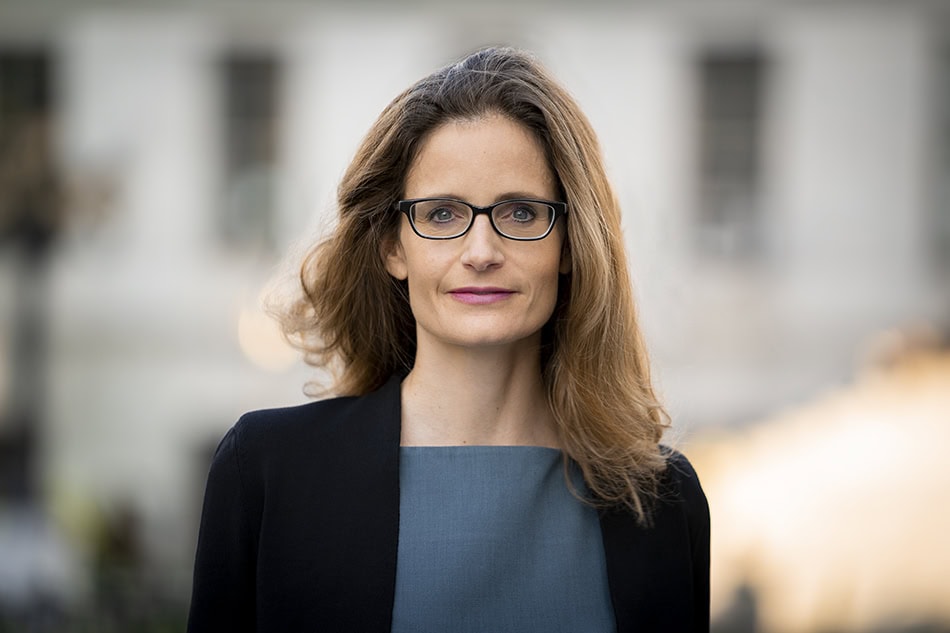
If Savitt is the strategic general, Eddy is the marksman. A partner in Wachtell’s Litigation Department, she brings an unusually deep public-sector pedigree to high-stakes commercial work.
Before Wachtell (where she returned in 2020), Eddy spent more than a decade at the U.S. Attorney’s Office for the Southern District of New York, ultimately serving as Chief of Appeals for the Criminal Division and, earlier, Co-Chief of the Money Laundering and Asset Forfeiture Unit. She tried 11 cases to verdict and argued numerous appeals before the Second Circuit.
Her résumé is hard to match: a Rhodes Scholar at Oxford (BCL with Distinction), JD from Georgetown first in her class, and clerkships for Judge Jed Rakoff (SDNY), Judge John M. Walker (2d Cir.), and Justice John Paul Stevens of the U.S. Supreme Court.
Eddy’s federal prosecution background was the defense’s secret weapon. Big-firm civil litigators often drown juries in financial data. Eddy delivered prosecutor’s narrative discipline. She demonstrated that Musk’s $38 million in donations to OpenAI carried no formal restrictions — meaning, as she argued in closing, that Musk “does not have a charitable trust to enforce.” Her courtroom demeanor was described by observers as unflappable, in deliberate contrast to Musk’s erratic public commentary and his absence from court during closings.
The Co-Counsel Picture
While Wachtell led the courtroom theater, the OpenAI defense also drew on Morrison & Foerster’s California bench. Microsoft, named as a co-defendant on the aiding-and-abetting claim, was separately represented by Russell P. Cohen and John “Jay” Jurata of Dechert. Both legal teams operated in lockstep on the statute-of-limitations defense, and Microsoft was cleared on the same grounds as OpenAI.
At a Glance: The Defenders
| Legal Star | Firm | Role | Superpower |
|---|---|---|---|
| William Savitt | Wachtell, Lipton, Rosen & Katz | Lead Trial Counsel; Strategic Architect | Boardroom-litigation specialist; now 2-0 against Elon Musk in bet-the-company cases (Twitter 2022, OpenAI 2026) |
| Sarah K. Eddy | Wachtell, Lipton, Rosen & Katz | Co-Lead Trial Counsel; Delivered Closing | Former SDNY Chief of Appeals; clinical cross-examiner and former Supreme Court clerk |
| Russell P. Cohen & Jay Jurata | Dechert | Lead Counsel for Microsoft | Secured statute-of-limitations dismissal on Musk’s aiding-and-abetting claim |
The Legacy of the Verdict
By securing an immediate dismissal of all claims from Judge Gonzalez Rogers, Savitt and Eddy didn’t just spare Sam Altman a messy corporate ouster — they insulated OpenAI’s transition into a public benefit corporation from a legal challenge that could have unwound the entire structure. With Musk’s lawsuit neutralized (subject to his promised 9th Circuit appeal), OpenAI is now clear to advance toward what would be among the largest IPOs in history.
For Musk, the loss arrives at a pivotal commercial moment: xAI, his competing AI venture now folded into SpaceX, is itself reportedly preparing for a public listing. The courtroom defeat won’t slow that. But it does deliver a clear message about the trial team that just stopped him cold — and about William Savitt’s increasingly singular ability to handle a Musk lawsuit.
For further coverage, see Law.com’s “Litigators of the Week” feature, NPR’s trial report, and the MIT Technology Review trial diary.