With a huge part of our lives being transferred into the digital world, the majority of people still omit the fact that after death, all those assets become inaccessible to their loved ones. When preparing our wills or looking into estate plans, we rarely take digital assets into consideration.
As a result, the family of the deceased faces legal and practical barriers that may be exceedingly hard to overcome. Not only is there a risk of identity theft, but dormant accounts can also be misused by third parties. Not to mention that the families lose some truly valuable assets of their deceased loved ones.
There are many practical issues as well. While an executor may have legal authority over a deceased person’s assets, they may not be able to access the actual devices that use biometrics and two-factor authentication for protection.
All these matters are rarely addressed in traditional estate planning documents. Estate planning professionals need to be aware of these issues to be able to help their clients gain actual control over the digital assets they have rightful ownership over.
What Wills and Probate Actually Cover
The traditional estate administration process is designed to address the legal transfer of assets following death. A proper will contains information on beneficiaries and executors appointed by the testator and the wishes of the testator about the distribution of assets. Courts will then confirm the will, appoint the correct parties, and oversee the process of administering the estate.
Assets commonly addressed through wills and probate include:
- Real property and real estate interests
- Bank accounts and investment portfolios
- Business ownership interests
- Personal property and valuable collections
- Debts, liabilities, and creditor claims
Executors have a fiduciary obligation to identify estate assets, preserve their value, satisfy outstanding obligations, and distribute property according to applicable law and testamentary instructions. However, probate authority does not automatically provide the practical means necessary to access digital systems.

Why Traditional Estate Planning Does Not Cover Digital Access
Most estate planning documents were developed during an era when the majority of assets existed in physical form or through institutions that could verify ownership via established legal procedures. Modern digital ecosystems operate differently. Access frequently depends upon layered authentication mechanisms rather than ownership documentation alone.
Wherever legal rights have been provided for a fiduciary to access these assets, there still might be certain access conditions that the company demands before granting any information about those assets. As a result, many families discover that estate planning documents answer the question of who should inherit an asset, but not how that asset can actually be reached.
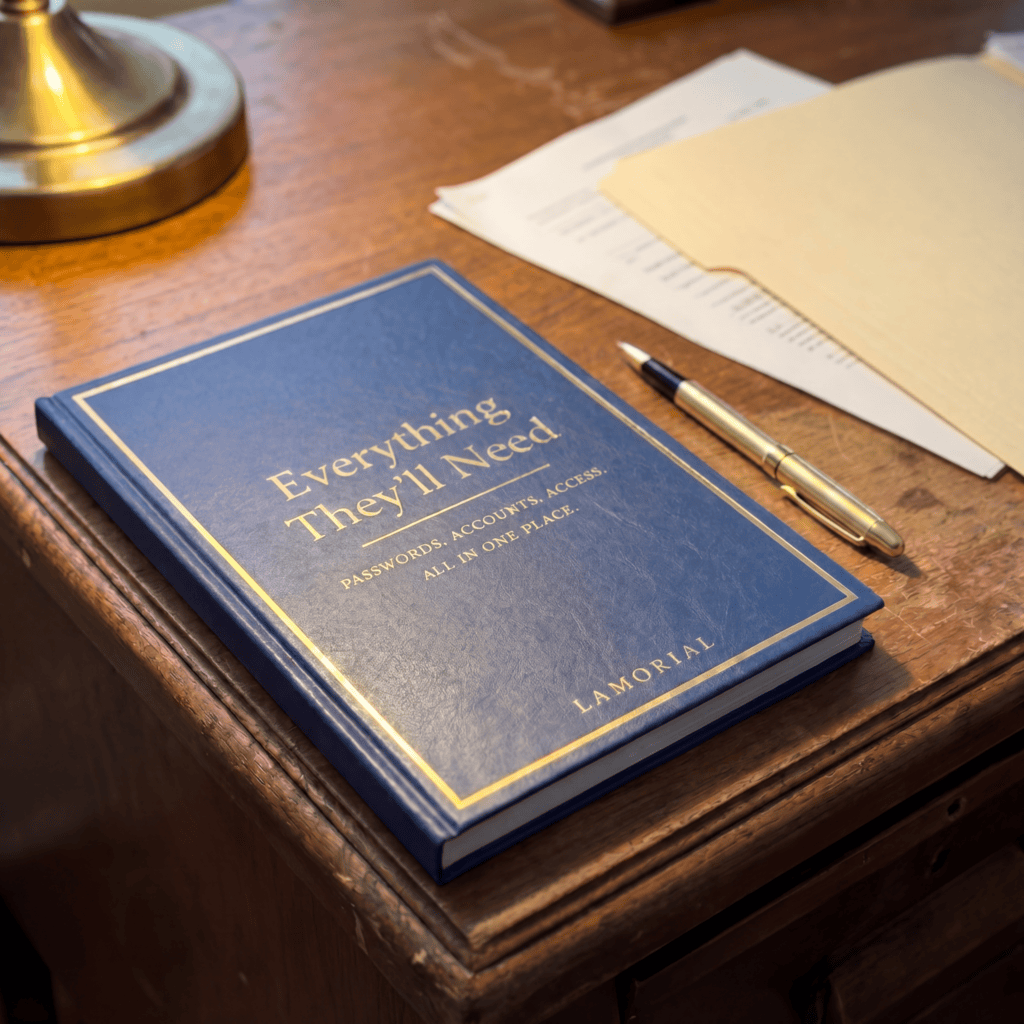
This has led to increasing interest in complementary documentation systems that organize digital access information separately from testamentary instruments. Documentation systems such as Lamorial focus on creating structured records of digital access pathways, helping bridge the operational gap that traditional estate documents frequently leave unresolved.
Industry Reality: Lack of Standardization in Digital Estate Planning
Although awareness of digital estate issues is increasing, no framework for the documentation and transfer of access information has been widely adopted yet.
The legal profession has made significant strides in establishing laws such as the RUFADAA (Revised Uniform Fiduciary Access to Digital Assets Act). The act offers a legal framework that regulates access by executors, trustees, agents, and conservators to specific digital assets while preserving the right to privacy and the duties of the service providers.
Unfortunately, RUFADAA focuses mainly on access rights. It does not solve the practical challenge of locating credentials, recovery methods, authentication devices, or account inventories.
Consumer education efforts increasingly acknowledge this problem. Guidance from AARP’s digital assets planning resources encourages individuals to inventory digital assets and document access information as part of broader estate preparation.
The industry currently lacks standardization regarding:
- Digital asset inventories
- Password and credential management during estate planning
- Documentation of recovery methods and authentication systems
- Procedures for transferring operational access information to fiduciaries
As a result, approaches vary significantly among law firms, financial advisors, trust officers, and estate planners.
The Emerging Need for a Structured Digital Access Layer
With so many assets becoming digital, a new category of estate planning draws attention to acquiring the information necessary to locate and get access to online estates. Rather than focusing on ownership rights, it puts an emphasis on the practical side of this issue.
Some of the important points to consider include:
- Access procedures in case of emergency
- Instructions to locate and identify digital assets
- Various device information
- Account verification details
- Password managing
- The addresses of recovery emails
While it is true that ownership over online accounts of a deceased person can be passed to another person, they might still need to have a certain device, email, or phone number to get access to the desired accounts.
This has led to increased awareness about the use of instruments like a digital legacy planner and the creation of an end of life documents checklist system.
Why This Matters for Estate Planning Professionals
The estate planning profession is experiencing a gradual expansion in scope. Clients are now more interested in having their problems addressed from both a legal transfer perspective and a succession perspective.
With the increasing complexity of digital technologies, professionals who know the difference between ownership and access will most probably find it easier to guide their clients on future issues.
Alt: Documentation systems
Digital Estate Planning Awareness Statistics
According to a 2026 report, a whopping 56% of respondents have no estate plan whatsoever. 42% of them stated they wouldn’t know what to do if a family member passed away suddenly. The estate preparedness of the majority of people is on a remarkably low level, and that includes their digital assets as well.
The Bryn Mawr Trust survey stated: “76% reported having little or no knowledge of digital estate planning.” Although most people realized the importance of their business accounts, financial information, and biometric data, 45% of the respondents had never heard about digital estate planning before. The numbers show there’s a lack of digital asset planning awareness that needs to be addressed in the following years.
Common Failure in Password and Account Preparation
In practice, fiduciaries frequently encounter several recurring obstacles:
- Unknown account inventories
- Missing passwords and credentials
- Inaccessible recovery email accounts
- Lost authentication devices
- Undocumented cryptocurrency holdings
- Locked password managers
The increasing adoption of multi-factor authentication improves cybersecurity during life but can significantly complicate estate administration when no succession plan exists.
A deceased individual’s smartphone may effectively become the master key to dozens or hundreds of accounts. If access to that device is unavailable, estate administration can become substantially more difficult, time-consuming, and costly.
Growing Importance of Digital Legacy Management
As of today, the issue of legal jurisdiction versus functional access to online and cloud-stored assets is becoming more and more pressing. Assets and records can be stored in a variety of ways that require a more advanced approach from estate planners.
Family photos can reside exclusively on clouds, while a lot of financial records may only be accessible on corresponding online portals. A variety of subscriptions, cryptocurrency accounts, and corporate accounts can’t be accessed without the user’s credentials and personal passwords.
End of life documents checklist can help solve this issue by identifying digital dependencies before they become actual problems. While traditional estate documents may omit access-related information concerning online assets, a digital legacy planner can become a real lifesaver that will structure all the necessary information and gather it in one place.