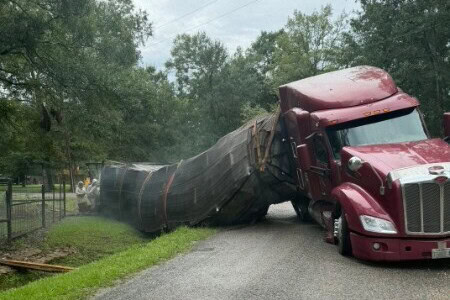
Article source: Aulsbrook Truck Wreck Lawyers TX
The rise of specialized truck accident firms in Texas represents one of the more significant developments in the American plaintiff’s bar over the past decade. What used to be a subspecialty handled by general personal injury practices has evolved into a distinct practice area with its own marketing approaches, technology infrastructure, expert witness networks, and case development methodologies. For Dallas-Fort Worth practitioners, the change has transformed how serious 18-wheeler cases actually proceed and how the broader trucking industry responds to liability exposure.
The Conditions That Created the Practice Area
Several developments combined to support the emergence of specialized truck accident practices in Texas.
Federal regulatory expansion. The Federal Motor Carrier Safety Regulations have grown substantially in complexity since the Motor Carrier Act of 1980. Modern truck cases routinely involve detailed analysis of hours-of-service compliance, driver qualification files, vehicle maintenance records, drug and alcohol testing programs, and various other regulatory areas. Generalist personal injury practices struggle to maintain genuine expertise across these requirements.
Electronic logging device deployment. The federal ELD mandate that took effect in late 2017 created a new evidence category that has reshaped truck case practice.
Texas economic growth and freight volume. Texas’s role in domestic energy production, manufacturing, and import-export trade has driven enormous growth in commercial trucking activity.
Verdict trend in catastrophic injury cases. The “nuclear verdicts” trend in commercial trucking nationally has been particularly visible in Texas.
Information about federal trucking regulations is available through the Federal Motor Carrier Safety Administration.
What Specialized Truck Firms Actually Do Differently
Several practice patterns distinguish firms that have built genuine specialization in truck cases from generalist practices that occasionally handle them.
Immediate evidence preservation. Specialized firms typically have systems for sending preservation letters to trucking companies, fleet operators, third-party data systems, and other relevant parties within hours of being retained. The systems include template letters, distribution lists, and follow-up procedures that ensure no evidence source is missed.
Independent investigation capability. Major truck cases often require investigators who can travel to the crash scene quickly, photograph the vehicles and surroundings, identify witnesses, and gather physical evidence before it is moved or repaired.
Expert witness networks. Truck cases routinely require expertise in accident reconstruction, biomechanics, trucking regulations, driver behavior, vehicle systems, and various medical specialties. Specialized firms maintain relationships with credible experts in each category.
Discovery infrastructure. Modern truck cases produce substantial electronic discovery, including ELD data, fleet management records, dashcam footage, telematics data, maintenance records, and other digital materials. Specialized firms have invested in the tools and personnel needed to handle the volume.
Trial preparation depth. The plaintiff’s bar in serious truck cases has developed sophisticated trial presentation methods, including animation, expert testimony coordination, and demonstrative evidence. Generalist practices typically cannot match this preparation depth.
Coverage from outlets including Reuters has documented broader patterns in the commercial trucking industry, including how legal exposure has affected industry practices and pricing.
The Dallas-Fort Worth Market Specifically
For specialized truck firms operating in the Dallas-Fort Worth metroplex, several specific factors shape practice patterns.
Interstate corridor geography. The intersection of Interstate 35, Interstate 20, Interstate 30, and Interstate 45 in or near Dallas creates one of the most concentrated freight corridors in the country. The volume of commercial truck traffic produces a corresponding volume of serious crashes.
Major freight customer presence. Dallas-Fort Worth hosts major freight customers including AT&T, American Airlines, the Federal Reserve, and numerous others. Cases involving carriers serving these customers often implicate multiple potentially responsible parties.
Carrier headquarters concentration. Texas hosts headquarters for major trucking companies and freight forwarders. The presence affects discovery, witness availability, and case development.
Federal court venue advantages and disadvantages. Cases against out-of-state carriers in Dallas-area federal courts produce specific procedural patterns. The choice between state and federal venue affects case strategy meaningfully.
How the Carrier Side Has Responded
The trucking industry has not passively watched the emergence of specialized plaintiff firms. Major carriers and their insurers have responded in several ways.
Rapid response investigation teams. Major carriers maintain investigation teams that respond to serious crashes within hours, often arriving before injured parties have retained counsel. The teams document the scene, interview witnesses, and gather evidence to support defense theories.
Specialized defense counsel. The plaintiff bar’s specialization has produced corresponding specialization on the defense side. Major carriers retain defense firms with deep trucking practice rather than generalist insurance defense practices.
Increased pre-litigation investigation. Cases that may produce significant exposure now receive substantial investment before formal litigation begins, with the goal of either resolving cases on favorable terms or developing the strongest possible defense.
Technology investment for risk management. Carriers have invested in ELD compliance monitoring, telematics systems for driver behavior, and various other technologies designed to reduce both crash frequency and liability exposure when crashes do occur.
Insurance market adjustments. Commercial trucking insurance pricing has risen substantially over the past decade. Some carriers have reduced their commercial truck exposure or implemented stricter underwriting standards.
For an experienced perspective on Dallas truck accident practice, a Dallas truck accident lawyer at The Texas Law Dog handles 18-wheeler accident, commercial vehicle, and catastrophic injury cases across the Dallas-Fort Worth metroplex.
What the Trend Means
The specialization of truck accident practice in Texas has implications for the broader legal industry and for the trucking industry.
Quality of representation has improved. Injured parties in serious truck cases now have access to representation that is substantially more capable than was available a generation ago.
Case values have risen. The combination of better representation and changing jury attitudes has produced significantly higher settlements and verdicts in serious cases.
The trucking industry has adjusted. Safety investments, technology adoption, and risk management practices have all been affected by the litigation environment.
Generalist practices have lost ground. Firms that handle truck cases occasionally now compete against specialists, often unsuccessfully.
For Texas’s continuing commercial trucking economy, the specialized plaintiff’s bar is now a permanent feature of the operating environment. The adjustment is essentially complete.