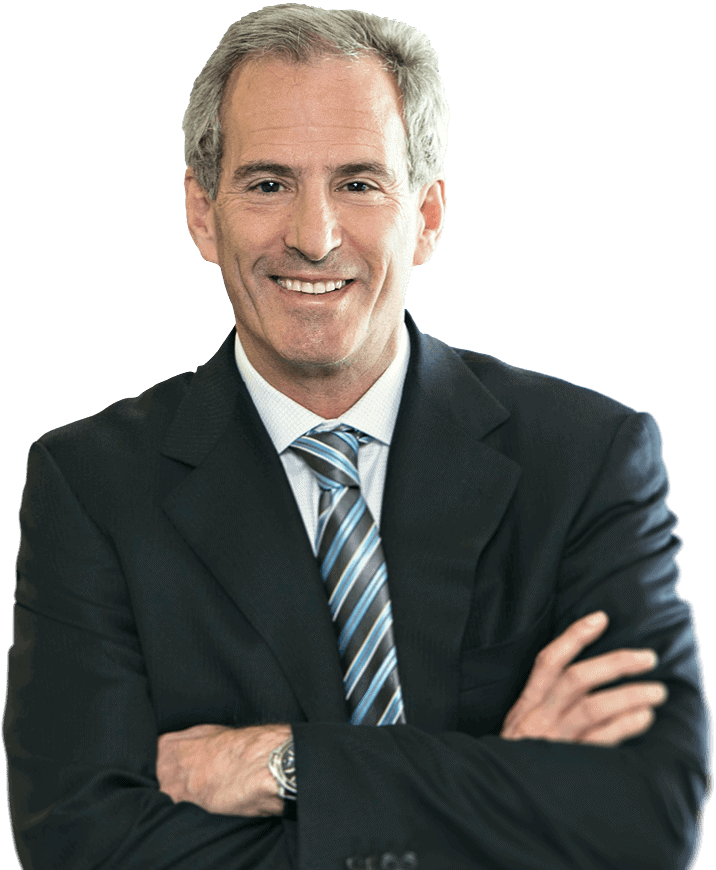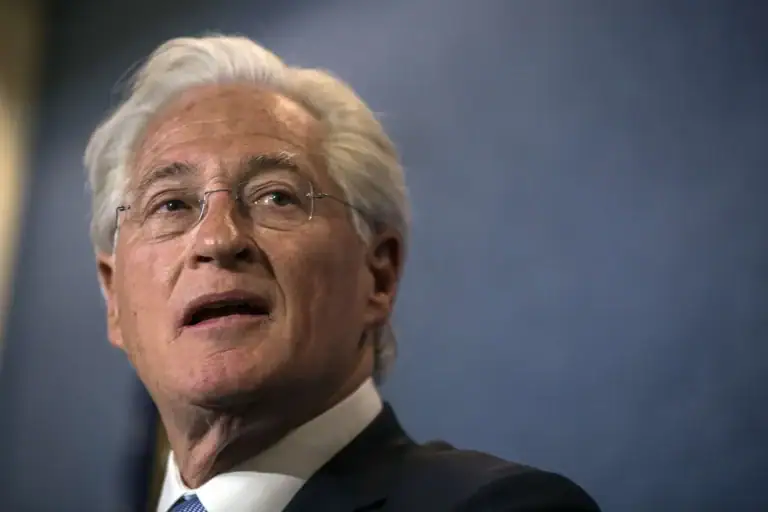
Marc Kasowitz spent the two years since October 7 building a brand as the lawyer elite universities feared most, the man who’d drag Columbia, Harvard, Penn and NYU into court over a righteous claim over campus antisemitism and make them answer for it.
He was also regarded as the ‘toughest of the tough” by Donald Trump, according to a New York Times article.
Now six of his own former clients are asking a New York judge whether “righteous” came with an invoice nobody was allowed to see.
What did Kasowitz allegedly do to his Columbia clients?
According to a complaint filed Sunday in Manhattan Supreme Court, six current and former Columbia students, part of a group of 43 Jewish and Israeli students who settled Title VI claims against the university earlier this year, accuse Kasowitz LLP, Marc Kasowitz personally, and partner Jillian Roffer of legal malpractice and breach of fiduciary duty.
The core allegation: the firm collected a fee of $6.412 million from the confidential settlement an amount one student, in an email exchange with Roffer, described as “around 60%” of the total deal.
Individual student payouts, by contrast, ranged from $34,000 to $300,000, with the plaintiffs saying they were never given a written explanation for why one student received nearly ten times what another did.
The suit doesn’t ask the court to unwind the Columbia settlement itself. It asks the court to order Kasowitz LLP to return part of its fee for redistribution among the plaintiffs.
What do the students claim went wrong with the retainer and billing?
The complaint paints a picture of a firm that made big promises upfront and then went quiet with the allegations claiming –
- They were originally told a third party would cover their legal fees, a funding source the complaint says never actually existed.
- When they asked for detailed billing records, the firm repeatedly declined, eventually producing only a summary claiming more than 7,700 hours of work, with Kasowitz’s own time billed at $2,500 an hour.
- The case settled before a single deposition or any formal discovery, which the plaintiffs argue makes the hours claimed harder to square.
- They were given roughly five days over the Christmas holiday period to sign broad releases, under an alleged threat that the firm would withdraw from representing anyone who refused to sign.
- The settlement allocation process was, per the complaint, effectively secretive and non-appealable, students learned their individual payouts only after signing away their claims.
How has Kasowitz LLP responded to the malpractice allegations?
The firm aggressively denies the claims being made. A firm spokesperson said the suit is “riddled with gross misrepresentations and false claims” and noted that “it is a shame that a small handful of students who signed releases and fully accepted all the benefits and protections of that historic settlement are now signing onto a public filing prepared by other counsel.”
The firm points to what it negotiated as the real story: a Title VI coordinator, a nod toward the IHRA definition of antisemitism in Columbia’s disciplinary policies, additional antisemitism training, and scholarships tied to time spent studying or living in Israel.
Whatever the fee dispute, Kasowitz’s public position is that the underlying settlement was a genuine institutional win and that the malpractice suit is trying to relitigate a victory through a side door.
One named plaintiff, Columbia alum Miles Rubin, was less diplomatic with the New York Post, saying Kasowitz used the case as his “own personal piggy bank.”
Prior Kasowitz Allegations
The Columbia complaint lands amid something of a pattern:
- Former Kasowitz name partner Eric Herschmann sued the firm last year, alleging Kasowitz concealed the firm’s financial condition and breached fiduciary duties to partners, costing him millions.
- Insurance company Patriot National previously sued Kasowitz in Florida, alleging malpractice and fraudulent billing, including excessive and duplicative fees.
Individually, these are unrelated disputes with different plaintiffs and different facts, but collectively, they start to look less like noise and more like a signal about how the firm handles clients and money.
The Kasowitz brand
Kasowitz built a brand by positioning himself as the aggressive, mission-driven face of campus antisemitism litigation, a strategy that generated media, client interest, and reputational capital.
It’s also a strategy that raises the stakes enormously the moment a client feels shortchanged, because “the guy fighting for persecuted students” makes for a much worse defendant than “the guy who bills a lot.”
The fact is, undisclosed or unclear contingency arrangements are a predictable landmine in any settlement involving vulnerable, first-time litigants who aren’t sophisticated purchasers of legal services.
And plaintiffs’ lawyers in civil rights and class-style matters like the anti-Semitism suit typically take a third of a settlement or less; a reported 60% cut is going to draw scrutiny anywhere it surfaces, cause-driven or not.
FAQ
Q: How much did Kasowitz LLP allegedly take from the Columbia settlement? A: The complaint alleges the firm collected $6.412 million, which one student described in writing as around 60% of the total settlement.
Q: Is the Columbia University settlement itself being challenged? A: No. The malpractice suit does not seek to unwind the settlement with Columbia. It asks the court to order Kasowitz LLP to return part of its fee for redistribution among the plaintiffs.
Q: How many students are involved in the malpractice suit versus the original settlement? A: Six students and alumni brought the malpractice suit. The underlying Columbia settlement covered 43 Jewish and Israeli students in total.
Q: How has Kasowitz LLP responded? A: The firm calls the malpractice complaint defamatory and says it misrepresents a settlement that delivered genuine institutional reforms at Columbia, including a Title VI coordinator and recognition of the IHRA antisemitism definition.
Q: Has Kasowitz faced similar allegations before? A: Yes. Former name partner Eric Herschmann sued the firm last year over alleged concealment of its finances and breach of fiduciary duty, and insurer Patriot National previously sued Kasowitz in Florida alleging malpractice and fraudulent billing.