
What Brown Rudnick’s Major Hire Signals For Big Law’s Lateral Wars
Brown Rudnick has just fired another shot in Big Law’s lateral wars, landing the largest group hire in the firm’s history and using it to plant a fresh flag in Silicon Valley.
The Boston‑headquartered firm has recruited a 34‑lawyer intellectual property litigation and patent team from HSF Kramer, led by seven partners split between Silicon Valley and New York, in a move that underlines how aggressively firms are now stockpiling tech‑aligned talent.
The new group will launch Brown Rudnick’s Silicon Valley office while bolstering its existing California footprint, which already includes Orange County and Los Angeles.
The firm has converted lateral hiring into market entry, using a ready‑made practice group with an established client book and bench strength that can “hit the ground running”.
Biggest group hire in firm history
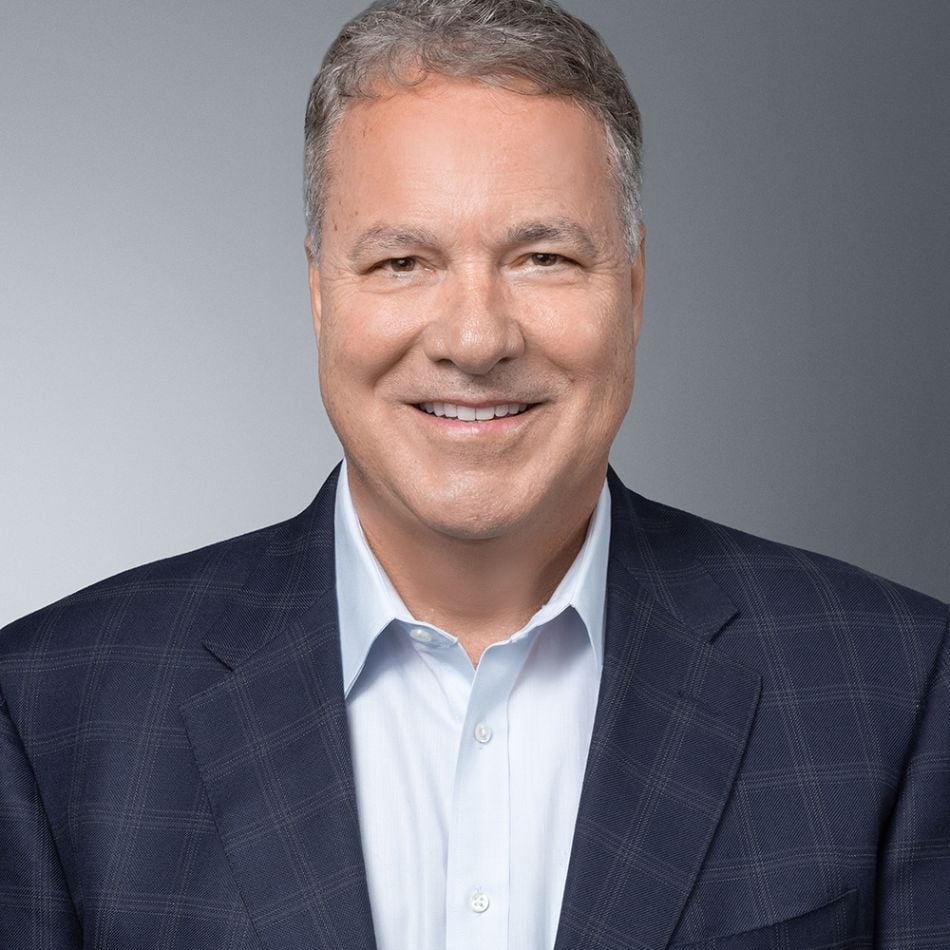
The lateral team, led by partners Paul Andre, (pictured above) Lisa Kobialka, James Hannah, Kristopher Kastens, Michael Lee, Jonathan Caplan and Aaron Frankel, brings decades of experience in complex IP litigation, patent prosecution and tech‑heavy disputes.
Brown Rudnick chief executive and chair Vince Guglielmotti (pictured) described the move in a report carried by AbovetheLaw as a strategic inflection point for the firm’s technology, life sciences and global litigation offering.
“We are excited to welcome this exceptional team of intellectual property litigators to our firm. Their stellar reputation in the market for providing sophisticated IP counsel and their deep industry experience strengthens our position as a market leader in technology, life sciences and global litigation. Their arrival underscores Brown Rudnick’s appeal to top‑tier lateral partners who want an entrepreneurial platform where they can make an impact.”
For team leader Paul Andre, Brown Rudnick’s boutique‑within‑Big‑Law culture and its growing use of innovative litigation funding structures was a key attraction:
“Brown Rudnick shares our team’s vision for building a globally prominent IP practice. We were attracted to Brown Rudnick’s boutique approach to client service — with partners who know each other, and an entrepreneurial spirit and innovative approach to litigation funding where our team can make a strong impact.”
Group laterals are no longer the exception
Brown Rudnick’s mega‑hire drops neatly into a year where the lateral market has shifted from opportunistic raids to full‑scale strategic campaigns.
Mosaic’s Q2 2026 data shows Big Law increased lateral associate hiring by 18% quarter‑on‑quarter and 43% year‑on‑year, with elite firms like Davis Polk, Sullivan & Cromwell, Paul Weiss and others leading the charge.
At the same time, group moves are reshaping the competitive landscape. Sidley Austin’s recent raid on Hogan Lovells/Cadwalader for an 11‑lawyer New York funds team, executed scarcely a month after their merger, grahically demonstrates how new combinations can become recruitment opportunities rather than defensive moats.
Gibson Dunn’s high‑profile capture of six litigation partners from Wachtell, Lipton, Rosen & Katz, including former litigation co‑chair William Savitt, has similarly underscored the willingness of top‑tier platforms to pay eye‑watering packages to land proven teams with marquee trial credentials.
Brown Rudnick’s 34‑lawyer haul sits squarely in this trend line: it’s not just hiring a handful of names, it’s importing an entire operating unit, with culture, clients and processes, to fuel rapid geographic and practice expansion.
Silicon Valley: IP litigation’s frontline
Silicon Valley remains one of the most hotly contested markets for IP litigators, with Big Law firms competing for work across semiconductors, software, AI, life sciences and the full gamut of tech‑adjacent disputes. Above the Law’s reporting has repeatedly highlighted how firms with strong tech benches have leveraged IP and commercial litigation to drive revenue growth and Am Law ranking climbs.
For Brown Rudnick, the new office joins its Orange County and Los Angeles bases to create a three‑city California platform that can service technology, venture capital and life sciences clients across the West Coast.
Coupled with the firm’s growing focus on litigation funding and specialty finance structures, the bolstered IP group positions Brown Rudnick to compete more aggressively for high‑stakes patent and tech litigation – the kind of matters that can swing both revenue tables and “Power Firm” rankings.
Lateral risk, clawbacks and culture
The scale of Brown Rudnick’s group hire will inevitably re‑ignite questions around lateral risk management. Recent reporting on Clifford Chance’s US$5.8 million lateral clawback highlighted how Big Law is tightening its contractual armour in response to failed hires and underperforming moves. At the partner level, simply offering another US$2 million can be insufficient to pry top talent away from profitable platforms, with cultural fit and practice alignment often outweighing raw compensation.lawfuel+1
Brown Rudnick’s pitch to the incoming team, an “entrepreneurial platform”, a boutique‑style environment, and a firm willingness to experiment with litigation funding, speaks directly to those other, decisive factors.
With firms increasingly aware that star laterals can misfire without the right environment, landing an intact, battle‑tested team that already “knows how to work together” may prove a safer bet than recruiting isolated names.
Brown Rudnick and the Big Law rankings race
As the Am Law 100 continues to reward firms that combine revenue growth with profitability, lateral plays of this magnitude are rarely just about headcount. In ALM data analysed earlier this year, one firm vaulted 13 places in the Am Law 100 rankings off the back of sustained lateral hiring and focused practice expansion.
Brown Rudnick’s move invites similar speculation. A 34‑lawyer, Silicon Valley‑anchored IP team is precisely the kind of bolt‑on that can meaningfully shift both top‑line numbers and strategic positioning.
With Big Law’s largest firms already employing more than one in five new US law graduates, mid‑tier and specialist players like Brown Rudnick increasingly rely on lateral campaigns – not campus hiring – to reshape their practice profile.
This latest raid is likely to be watched closely by managing partners, recruiters and litigation funders alike, not least because it demonstrates that “boutique‑style” platforms can still out‑muscle global giants for talent when the cultural and economic mix is right.abovethelaw+1
For now, Brown Rudnick has secured the biggest group hire in its history and, in the process, has reminded the market that the lateral arms race shows no signs of cooling.