Article source: Cain Law, OK
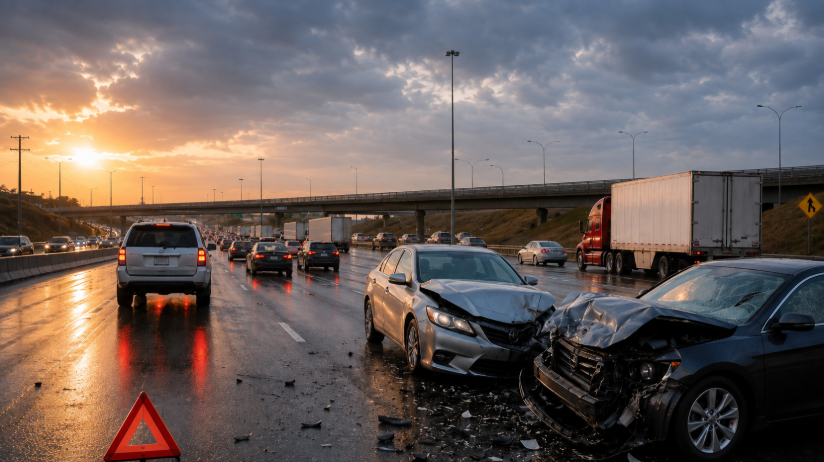
Oklahoma City’s dangerous roads, common crash risks, and the legal options available to injured drivers and their families.
A routine drive can change without warning when traffic, speed, poor visibility, and confusing roadway design come together. Several Dangerous Roads in Oklahoma City require greater attention because heavy merging, frequent lane changes, commercial traffic, and crowded intersections leave little room for error.
If you or someone in your family is hurt in a crash, understanding what made the location hazardous can be as important as identifying the driver who caused the collision.
Why Certain Roads Create Greater Danger
A road might be unsafe for more than one cause. Some places have more traffic than they were designed to comfortably handle. Others are short entrance ramps, complex interchanges, blind bends, high speed limits, or multiple access points in a small space.
Another concern is weather. Heavy rain can limit visibility and traction and ice can make bridges, ramps and elevated sections difficult to navigate.
At the interchange between I-40 and I-44, drivers have to process many motions simultaneously. Vehicles arrive, depart, combine and cross the lanes at highway speeds. The interchange of I-35 and I-240 suffers from identical problems as airport traffic, as commuters and trucks merge. Lake Hefner Parkway, Turner Turnpike, State Highway 9 and congested crossroads near shopping or industrial areas can also put drivers in position for unexpected stops, hurried turns and risky lane changes.
The firm’s official road-safety resource recognizes these and other locations in Oklahoma City as sites of significant crashes.
Human Choices Still Matter
Road design may increase risk, but many collisions begin with preventable behavior. Speeding, distracted driving, impairment, running traffic signals, failing to yield, and changing lanes without checking blind spots can turn a difficult roadway into a crash scene. Commercial vehicles may create added danger when a driver makes a wide turn, follows too closely, or fails to account for a truck’s longer stopping distance.
For you, caution means more than following the posted speed limit. A safe speed may be lower when rain, construction, congestion, or limited visibility affects the road. Leaving extra space, planning lane changes early, and avoiding phone use can provide the seconds needed to react.
These habits cannot control another driver’s choices, but they can reduce your exposure to an avoidable collision.
Local Safety Efforts and Public Responsibility
Oklahoma transportation planning recognizes that safer roads depend on both responsible driving and roadway improvements. State strategies have addressed unsafe driver behavior, work-zone safety, and technology intended to reduce crash risks. Road projects may also improve signs, pavement markings, lighting, shoulders, drainage, and traffic flow.
These improvements can lead to safer travel while minimizing congestion, wasteful vehicle idling and repeated braking.
Community engagement counts too. Residents can report damaged signals, missing signs, potholes, inadequate lighting or obstructed views to the relevant city or state agency. Crash data and public reports can help regulators see patterns that may not be visible from a single event.
Safer streets are frequently the product of sustained maintenance, targeted enforcement, public education and smart redesign rather than one isolated adjustment.
What Evidence May Reveal After a Crash
A serious roadway collision should be examined from more than one angle. Police reports and witness statements are useful, but they may not tell the whole story. Traffic-camera footage, vehicle data, phone records, photographs, road measurements, weather reports, maintenance records, and previous crash history may help explain how the event happened.
An attorney may also look to see if more than one party is to blame. A careless driver may be involved, but evidence could also implicate a commercial carrier, vehicle owner, components maker, contractor or government agency. Because claims regarding roadway conditions may have additional notice requirements and shorter procedural deadlines, an early inquiry is very necessary.
If fault is in question, an insurance company might try to assign some of the blame to you. Thorough documentation can be used to prove what role each person played in causing the crash and to contest judgments that do not accurately represent the evidence.
Support That Addresses Real-Life Losses
The impact of a crash can last after the damaged vehicles are removed. You may have emergency treatment, rehabilitation, lost employment, transportation challenges and uncertainty about future care. You may also have to deal with your family having to care for you and the emotional impact of a crippling or fatal accident.
Legal advocacy should be responsive to those facts. The claim can include actual medical expenses, future medical expenses, loss of income, loss of earning ability, physical suffering and changes in lifestyle.
In crashes involving criminal conduct, such as certain impaired-driving incidents, state victim-assistance resources may also be relevant. Oklahoma programs provide information and may help qualifying victims with expenses involving medical care, counseling, rehabilitation, work loss, or funeral services.
A Focused Path Toward Recovery
After a crash on a dangerous Oklahoma City roadway, fast legal assistance can help preserve evidence and provide order to an overwhelming situation. Cain Law Injury Lawyers can examine the drivers and other potentially liable parties, review the location, engage with insurers and build a claim around the losses impacting you and your family.
When you work with Cain Law, injured people benefit from case-specific assistance and professional legal representation to get resources for treatment, financial stability and a more confident way forward.
Frequently Asked Questions
Which Roads Are More Dangerous in Oklahoma City?
Some roads in Oklahoma City can be harder to navigate than others, especially during busy travel times. Areas such as the I-40 and I-44 interchange, the I-35 and I-240 interchange, Lake Hefner Parkway, Turner Turnpike, and State Highway 9 may involve heavy traffic, fast-moving vehicles, short ramps, and frequent lane changes.
Who Could Be Responsible for a Crash?
The other driver may not be the only party involved. Depending on what caused the crash, responsibility could also fall on a trucking company, vehicle owner, employer, contractor, parts manufacturer, or government agency. A careful investigation can help show who played a part.
What Evidence Can Help Explain What Happened?
Photos from the scene, witness details, police reports, traffic-camera footage, phone records, vehicle data, medical records, and repair documents may all be useful. Weather reports, road measurements, maintenance records, and information about earlier crashes in the same area can also provide important clues.
Can Unsafe Road Conditions Be Included in a Claim?
They may be. Broken traffic lights, missing signs, poor lighting, potholes, blocked views, unsafe construction zones, or drainage problems could have contributed to the collision. Claims involving a public road or government agency may have different rules and shorter notice periods, so delays can create problems.
What Should You Do After a Crash?
Get medical care, report the accident, and take photos if it is safe. Ask witnesses for their contact information and keep copies of medical bills, repair estimates, and messages from the insurance company. It is also wise to avoid guessing about fault before all the facts are available.
What Losses May Be Covered by a Car Accident Claim?
A claim may include medical treatment, rehabilitation, lost wages, vehicle damage, future care, reduced earning ability, pain, and the ways an injury has changed daily life. The value of a case often depends on the long-term effect of the crash, not only the first set of bills.