Article source: Eisenberg, Rothweiler, Winkler, Eisenberg & Jeck Law
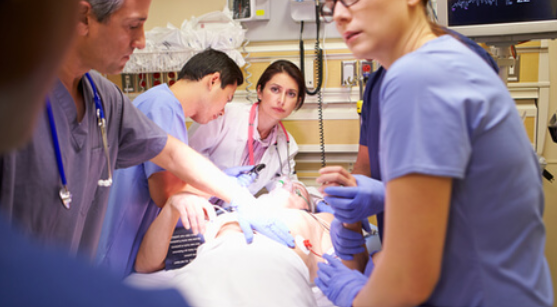
The purpose for the ERs are to render prompt medical care for patients suffering from a serious injury or illness. Doctors, nurses and other health care workers frequently are pushed for time and called upon to make important decisions under high stress. While a lot of patients get prompt and proper medical treatment, there are cases of mistakes in the hectic medical arena. A mistake inside the emergency room could possibly lead to delayed medification which can worsen the patient’s quality of life.
It is recommended to many people to seek for advice after the medical incident for them to have an overview and understanding of their rights and their possible steps moving forward. In that case, you can find information from Eisenberg, Rothweiler, Winkler, Eisenberg & Jeck – emergency room errors attorney that can help patients and their families get an understanding of the legal process involved with emergency room negligence claims. While each situation is different, having a good attorney by your side can help you hold onto vital evidence, understand your liability and inform you of your options when you receive an unwanted medical result.
Factors That Contribute to Emergency Room Errors
The diversity of patients’ severity in EDs necessitates rapid evaluation. Although there is a known medical process, there may be some factors that make it more likely for an error to occur.
There are a number of situations that could lead to errors in the ER, such as:
- Failure to get the diagnosis or treatment in time
- Errors in lab or imaging tests
- Medication errors
- Not identifying serious medical conditions
- Poor communication between healthcare providers
- Failure to refer patients to specialists as needed
Not all bad health outcomes are due to negligence. But if a healthcare provider is negligent in providing the standard of care and the negligence leads to harm, there may be issues of liability.
Common Emergency Room Errors
| Delayed diagnosis | May let a medical problem get worse before treatment is initiated. |
| Medication error | Can result in harmful drug reactions or incorrect treatment. |
| Misdiagnosis | May cause unnecessary procedures or delay care. |
| Miscommunication | Some important details may not be relied on accurately or completely to the patient. |
Keeping Evidence The Supports Recovery
Furthermore, if problems are noted with the emergency department treatment, it is important to maintain records of what happened during the treatment. Other records such as imaging, laboratory reports, prescription details, and follow-up treatment records also may help to determine the circumstances of the incident. Keeping organised documentation could be beneficial in helping to establish a timeline of events and as part of a review of all medical treatment received.
| Emergency room records | Evaluates, treats and documents notes by physicians. |
| Diagnostic imaging | Gives details about physical examination. |
| Laboratory reports | Records test results which may have influenced treatment decisions. |
| Medication records | Recognizes the medicines prescribed and/or received. |
| Follow-up medical records | Documents patient’s status upon discharge from the Emergency department. |
The consequences of an ER error may extend past the first visit to the ER. Complications may require additional treatment, corrective procedures, rehabilitation or long-term medical care to be required as a result of delayed or improper treatment.
Families can also feel distressed, worried and anxious about money, as well as figuring out how the misstep happened and what they might be able to do about it in the future.
Making medical, financial, and treatment records, as well as other documents, as early as possible will help the patient determine what impact the incident has had on them and prepare for a conversation regarding legal options for the incident.
Frequently Asked Questions
Is all time spent in an ER an example of medical negligence?
No. Not all bad health conditions are caused by negligence. Medical negligence is a failure to provide care in accordance with a recognized standard of care which directly causes harm to a patient.
Which documents do you need to retain following an ER visit?
Patients might want to keep their discharge instructions, medical history, reports from imaging tests, laboratory test results, prescriptions, billing statements, and any follow-up treatment records.
Why is it important to take legal advice in a proper time?
Getting legal advice early can help to maintain medical records, to determine that necessary records are preserved and to resolve any legal issues that could impact on a potential claim.
May family members consult a lawyer for a patient that is injured?
Family members can help an injured patient compile paperwork and get legal advice, especially if the patient can’t do it for themselves.
Conclusion
Hospital mistakes in the ER can affect more than just the patient’s first trip to the hospital. Patients and families may experience more diagnoses, medication errors, communication problems, and other medical complications which create further financial, treatment, and uncertainty for the patient and family. Knowing what a legal process entails and keeping critical medical records can make it easier for people to make decisions when exploring their options.
Eisenberg, Rothweiler, Winkler, Eisenberg & Jeck is an emergency room error team providing information on emergency room error claims and legal matters that may arise after an unexpected medical result. Access to sound legal advice can assist patients to understand their rights in dealing with the potential medical negligence claim.