
You lend your car to a friend while theirs is in the shop. They get into a crash on Colonial Boulevard, and you were nowhere near the vehicle. Yet your name is on the title, and both of you need to know whose insurance pays.
If someone else drives your car and gets into an accident in Fort Myers, coverage depends on who caused the crash, whether that person had permission, and what each insurance policy covers. A Fort Myers car accident lawyer can review those questions when an injury or coverage dispute makes it difficult to determine who must pay.
Medical bills and car repairs involve different coverages. If someone was hurt, a personal injury claim may depend on who caused the crash and which policies cover the driver and owner. Save the police report, insurance details, and any messages showing that the driver had permission to use your car.
Does insurance follow the car or the driver in Fort Myers?
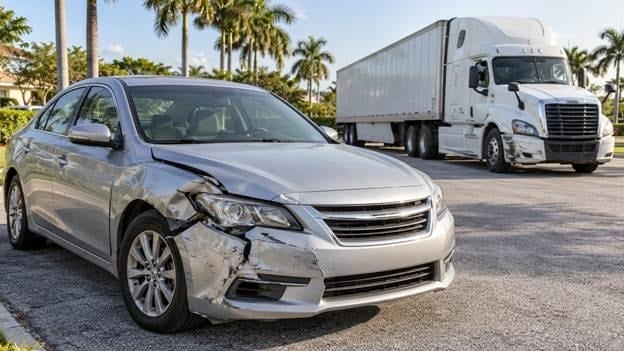
If your friend causes the crash, your policy is usually the first place to look for liability coverage. The driver’s insurance may provide additional coverage if your policy limits are exhausted. Coverage for injuries inside the borrowed car and damage to the car itself must be checked separately. Exclusions and rules for household drivers can also affect coverage.
Florida law permits a named driver exclusion if the required conditions are met, including written consent by the named insured. If the person driving was excluded under your policy, coverage can look very different from an ordinary permissive-use claim. Check the declarations page and any endorsements before assuming the driver was covered.
What if another driver caused the crash?
If another motorist caused the collision, that driver’s liability insurance may pay for covered damage to your car and other losses for which the driver is legally responsible. Your own collision coverage may also be available for vehicle repairs, subject to your deductible and policy terms.
Injuries are handled differently. Florida’s Personal Injury Protection (PIP) can help pay medical bills and lost income regardless of fault. For a borrower or passenger, the insurer that pays depends on whether that person has PIP through their own car or a resident relative. If neither applies, the borrowed car’s PIP may cover them. PIP does not pay for car repairs.
To qualify for PIP medical benefits, the injured person generally must receive initial treatment within 14 days. Subject to policy and statutory limits, PIP covers 80% of eligible medical bills and 60% of qualifying lost income. If a qualifying provider determines there was no emergency medical condition, reimbursement for medical care is limited to $2,500. A claim against the at-fault driver may still be possible for losses beyond PIP when the legal requirements are met.
What if the person borrowing my car caused the accident?
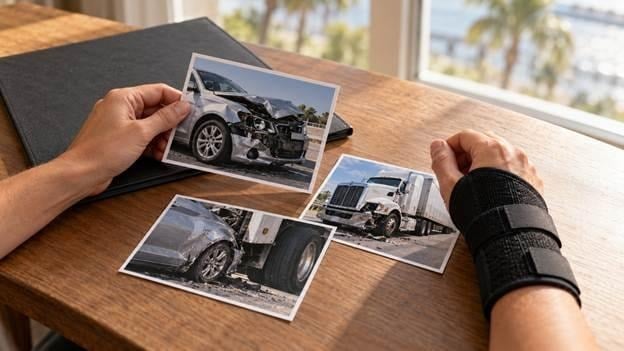
When the borrower is at fault, the vehicle owner’s liability coverage may apply. The driver’s own insurance could also come into play, depending on the policies and the people involved. An insurer will want to know who owned the vehicle, who had permission to use it, whether the policy excluded the driver, and whether the car’s regular use was disclosed.
A car owner can also be sued even if they were nowhere near the crash. Under Florida’s dangerous instrumentality doctrine, an owner can be held responsible when someone they allowed to drive the car negligently injures another person.
For an individual who lends a car to a permitted driver, Florida Statute § 324.021(9)(b)3 generally caps this liability at $100,000 per injured person, $300,000 per crash for bodily injury, and $50,000 for property damage. If the driver is uninsured or has less than $500,000 in combined liability coverage, the owner could be liable for up to $500,000 more in economic damages. Amounts recovered from the driver or the driver’s insurer reduce that additional amount. These caps do not shield the owner from liability for their own negligence.
How does permissive use affect a borrowed car accident claim?
Permission can be clear: you hand someone the keys and tell them to take the car. It can also be disputed. A relative who regularly uses the car with your knowledge may have had implied permission even if you did not discuss that particular trip.
A stolen car is different from one you voluntarily lent out. But a claim of unauthorized use can become harder to prove if the driver had used the vehicle before. Save messages, camera footage, witness information, and the police report if permission is in question.
When Kremenchuker Law Group reviews a borrowed-car claim, permission and insurance coverage are separate questions. Your permission does not override a valid named driver exclusion, and an insurer may question a claim if a household member or regular driver was not disclosed when the policy was issued.
Who pays for damage and injuries after a borrowed car accident?
If you bought collision coverage, it may pay for damage to your car after a covered crash, even when the borrower caused it. A deductible usually applies. If another driver caused the crash, that driver’s property damage liability coverage may be another source of payment. Repair costs, rental expenses, and a total-loss valuation can each become points of dispute.
For injuries, PIP may cover eligible medical expenses and lost income, subject to Florida’s rules and the applicable policy. It does not necessarily resolve a serious injury claim. Depending on fault, the injuries, and available coverage, a person hurt in the crash may have a claim against a responsible driver or owner.
Ask the insurer to explain each coverage decision separately. Payment for car repairs does not settle an injured person’s claim.
What should I do after someone else crashes my car in Fort Myers?
Get the basic facts from the driver: where and when the crash happened, who was involved, and whether anyone was hurt. Under Florida Statute § 316.065, the driver must notify law enforcement immediately if a crash causes injury, death, or at least $500 in apparent vehicle or property damage. Ask for photos, witness details, insurance information, and a copy of the crash report when it becomes available.
If you own the car, notify your auto insurer promptly, as your policy requires. The person who borrowed it should notify their insurer too; their PIP or liability coverage may be relevant. Give accurate information about permission and the driver, but do not guess about fault or coverage. Keep messages that show what you agreed to before lending the car.
Save repair estimates, towing and rental-car bills, medical records, and correspondence from every insurer. Those records will help you document the claim if more than one insurer is involved.
A minor crash with clear coverage may be resolved through the insurers. If someone was seriously injured, permission is disputed, or an insurer denies coverage, have an attorney review the policies and facts before accepting the insurer’s position.
Frequently asked questions
Someone borrowed my car and got in an accident. Which insurance company should I contact?
Notify your auto insurer as your policy requires and identify the person who was driving. If the borrower has auto insurance, that policy may also need to be reviewed. When another driver caused the crash, their liability insurer may handle covered losses. The applicable policies determine which coverage responds and in what order.
Can an excluded driver be covered if I gave them permission?
Your permission does not cancel a valid named driver exclusion. Review the exclusion endorsement to see which coverages it affects. A borrowed car accident involving an excluded driver can leave losses that the owner’s policy does not cover.
Can I be sued if someone else is driving my car and gets in an accident?
Yes. A vehicle owner may face a claim even if they were not at the scene. Florida’s dangerous instrumentality doctrine can impose liability when a permitted driver negligently injures someone. Statutory limits and exceptions may apply, so ownership, consent, and the circumstances of the collision need to be examined.
Will my insurance pay if a friend wrecked my car?
Collision coverage may pay for covered damage to your vehicle, usually subject to a deductible. Liability coverage generally addresses damage or injuries caused to others; it does not replace collision coverage for your own car. If another motorist caused the accident, their property damage liability coverage may be available.
