Article source: Craig Kelley & Faultless LLC
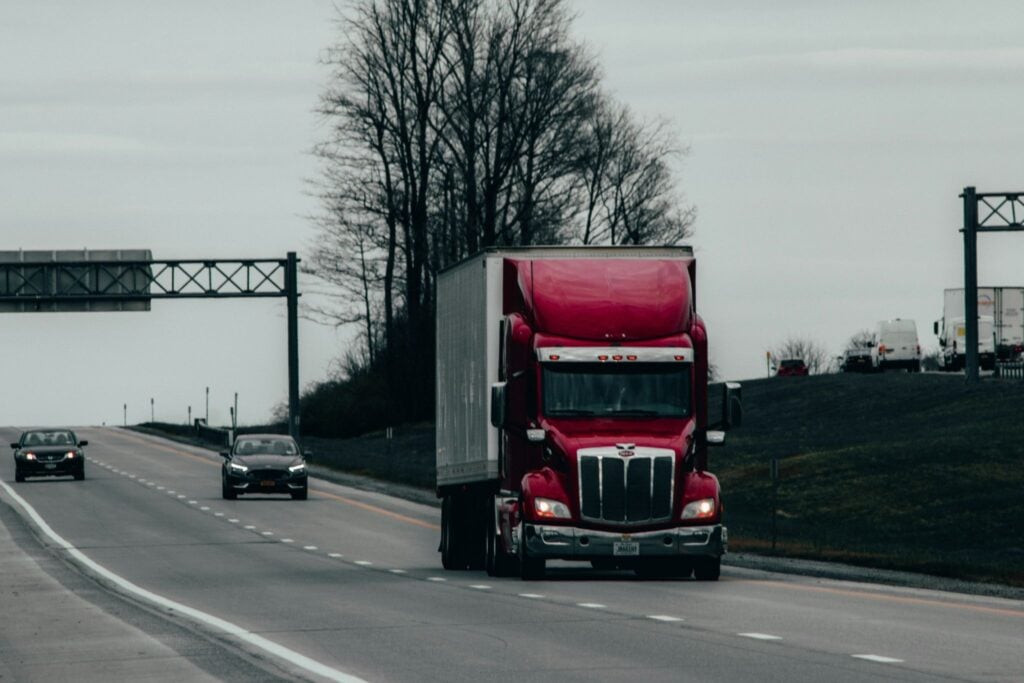
A collision with a commercial truck can change a person’s life in seconds. The size and weight of a tractor-trailer can result in severe injuries, extensive vehicle damage, lengthy medical treatment, and time away from work. For many victims, the financial consequences continue long after the accident scene has been cleared.
Truck accident claims can also involve more complicated questions than ordinary car accidents. The driver may be only one part of the investigation. A trucking company, vehicle owner, maintenance provider, cargo loader, manufacturer, or another party may potentially share responsibility depending on how the crash occurred. Understanding these issues early can make it easier to protect important evidence and evaluate the available legal options.
Why Commercial Truck Crashes Require a Deeper Investigation
A semi-truck collision may involve multiple companies, commercial insurance policies, federal regulations, and electronic records. Investigating the case can require more than reviewing a police report and asking the drivers what happened. The circumstances leading up to the crash may be just as important as the impact itself.
An investigation can examine driver conduct, vehicle maintenance, hours-of-service compliance, cargo loading, dispatch practices, road conditions, visibility, mechanical problems, and company policies. The Federal Motor Carrier Safety Administration regulates many aspects of interstate commercial trucking, making regulatory records potentially relevant when determining whether safety requirements were followed.
Identifying Who May Be Responsible for the Collision
Determining liability is one of the most important parts of a commercial truck accident claim. The person operating the truck may have caused the collision, but the facts can reveal that another party contributed to the circumstances. A thorough investigation should therefore look beyond the driver’s actions and examine the entire chain of responsibility.
Potentially responsible parties can vary depending on the accident, but they may include the truck driver, motor carrier, vehicle owner, maintenance company, cargo-loading company, manufacturer, or another negligent motorist. Identifying the correct parties can become particularly important when injuries are severe and the claim involves substantial medical expenses and future financial losses.
Electronic Truck Data Can Provide Important Evidence
Modern commercial vehicles may contain electronic systems capable of recording useful information about the vehicle and its operation. Depending on the truck, investigators may seek electronic logging device information, GPS records, event data, fleet-management information, dash-camera footage, or other available digital evidence.
This information can help establish timing, vehicle movement, driver activity, or circumstances surrounding the collision. Some records may only be retained for a limited period, so evidence preservation can become important soon after an accident. Waiting too long can make certain information more difficult to obtain or verify.
Driver Fatigue and Hours-of-Service Compliance Matter
Commercial drivers are subject to hours-of-service requirements intended to regulate driving and on-duty periods. When fatigue is suspected in a collision, investigators may examine electronic logs and other records to determine how long the driver had been working and whether applicable requirements were followed.
The investigation may also examine dispatch communications, delivery schedules, GPS information, and company instructions. These records can provide context that may not appear in the initial accident report. If a driver was under pressure to meet a delivery deadline, for example, the circumstances surrounding that schedule could become relevant to the investigation.
Trucking Company Practices Can Affect Liability
A commercial carrier may have responsibilities extending beyond employing a driver. Hiring procedures, driver qualification, training, supervision, vehicle inspections, maintenance, and safety policies can all become relevant when company conduct may have contributed to an accident.
Maintenance records can be especially important when a mechanical problem is suspected. Brake defects, tire problems, steering issues, lighting failures, or other equipment concerns may require examination of inspection and repair history. A detailed investigation can help determine whether the collision resulted from driver conduct, equipment failure, company practices, or a combination of factors.
Serious Injuries Can Create Long-Term Financial Consequences
The effects of a truck collision may continue long after emergency treatment ends. Victims can face hospitalization, surgery, rehabilitation, medication, follow-up appointments, and other medical expenses. Some injuries may also require continuing treatment or changes to the person’s home, transportation, or daily routine.
A complete damages evaluation should consider both current and future consequences. Depending on the facts, compensation may potentially involve medical expenses, rehabilitation, lost wages, reduced earning capacity, pain and suffering, property damage, and other legally recognized losses. The nature of the injury and applicable Missouri law will determine which damages may be available.
Future Earning Capacity Deserves Careful Attention
Missing several weeks of work is relatively straightforward to document through employment records and pay information. A serious injury can create a much larger financial problem when it prevents someone from returning to the same occupation or reduces their ability to earn income in the future.
Future earning capacity may depend on the person’s occupation, age, education, work history, medical limitations, career progression, and ability to perform similar work. In complex cases, vocational or economic professionals may be used to evaluate the financial effect of a permanent injury. This type of analysis can be particularly important when a victim was early in their career or had significant future earning potential.
Insurance Companies Have Their Own Interests
After a commercial truck accident, an insurance company may contact the injured person relatively quickly. An adjuster may request information about the collision, medical treatment, employment, or other circumstances. While some requests may be routine, statements made during the claims process can become important if liability or damages are later disputed.
An early settlement offer may also appear attractive when medical expenses are accumulating and income has been interrupted. However, serious injuries may not have a complete prognosis immediately after the accident. Before accepting an offer, an injured person should understand what damages it covers and whether future medical needs and financial losses have been properly considered.
Evidence That Can Strengthen a Truck Accident Claim
Evidence can make the difference between a disputed account and a well-supported claim. Physical evidence can disappear, vehicles can be repaired, surveillance footage can be overwritten, and witnesses may become harder to locate. Prompt preservation is therefore especially important when a commercial vehicle and large trucking company are involved.
Useful evidence may include:
- Police and accident reports.
- Photographs and videos of the collision.
- Witness contact information.
- Medical records and treatment documentation.
- Employment and income records.
- Truck maintenance and inspection records.
- Driver logs and electronic records.
- GPS and fleet-management information.
- Cargo and loading documentation.
- Available surveillance or dash-camera footage.
Not every case requires every type of evidence. The investigation should be tailored to the circumstances of the collision and the issues being disputed. The earlier important records are identified, the better the opportunity to determine what happened before evidence becomes unavailable.
Missouri Comparative Fault Can Affect an Injury Claim
Truck accident cases can involve arguments that more than one person contributed to the collision. An insurer or defendant may claim that the injured motorist was partly responsible for what happened. When that occurs, evidence such as photographs, witness statements, traffic footage, vehicle damage, accident reconstruction, and electronic records can become important.
Missouri uses a comparative fault system, so a person’s share of responsibility can affect the amount they may recover. The exact legal effect depends on the circumstances of the case. Because fault can significantly change the value of a claim, an injured person should avoid assuming that the insurance company’s version of events is automatically correct.
Choosing the Right Legal Representation
Experience with ordinary car accident claims does not necessarily mean an attorney regularly handles complex commercial trucking cases. A serious truck collision can require knowledge of federal trucking regulations, commercial insurance, electronic evidence, accident reconstruction, expert testimony, and catastrophic injury damages.
When comparing attorneys, it can be useful to ask about their experience with similar cases, how they preserve trucking records, how they investigate disputed liability, and how they evaluate future medical and financial losses. Communication also matters because serious injury cases can take time, and clients should understand who is handling the claim and how case updates will be provided.
What to Do After a Serious Truck Collision
Medical treatment should be the first priority after a major collision. Once immediate safety concerns have been addressed, preserving information about the accident can help protect the claim. Photographs, medical documents, insurance communications, employment records, and other relevant information should be kept in an organized place.
It is also wise to avoid guessing about facts that are uncertain or making detailed public statements about the accident. Social media posts, casual comments, or incomplete descriptions of injuries can create unnecessary complications. If a trucking company or insurer requests significant statements or documents, obtaining legal advice beforehand can help an injured person understand what is being requested and why.
Conclusion
The consequences of a commercial truck collision are not always visible on the day of the accident. Some injuries require months or years of treatment, while others can permanently affect a person’s ability to work and live independently. That is why a serious injury claim should account for the full impact of the accident rather than focusing only on immediate expenses.
For anyone searching for a St. Louis Semi-Truck Accident Lawyer, the most important consideration is finding legal representation capable of examining the trucking operation, preserving critical evidence, addressing disputed liability, dealing with commercial insurers, and evaluating the long-term consequences of the injury. Early legal guidance can help protect important evidence and provide a clearer understanding of the options available under Missouri law.