Sonia Hickey
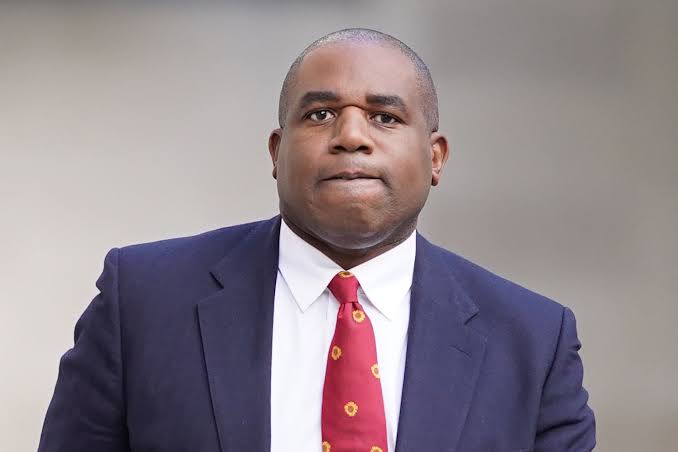
Andy Burnham wasted little time putting his own stamp on government, and the legal establishment was among the first casualties. Within hours of entering Downing Street, the new prime minister swept aside some of the most recognisable legal figures of the Starmer years, with Deputy Prime Minister and Justice Secretary David Lammy (pictured) and Attorney General Lord Richard Hermer (below) both departing the cabinet.

The reshuffle was hardly a surprise. Hermer, a close ally of former prime minister Keir Starmer and one of the architects of Labour’s legal agenda, had long been expected to leave. Confirming his departure, the attorney general said it had been “the privilege of my life” to serve and pointed to the Hillsborough Law and efforts to restore Britain’s international legal standing among his proudest achievements.
Lammy’s exit is more politically significant. The barrister and Tottenham MP had accumulated an impressive collection of titles in recent years, serving successively as foreign secretary, justice secretary and Britain’s first Black deputy prime minister.
The Hermer and Lammy dumping proves once again that politics is an unforgiving profession. One prime minister’s trusted lieutenant can become the next leader’s historical footnote with remarkable speed.
Burnham’s overhaul signals more than a routine cabinet reshuffle. It marks a decisive break from the Starmer era and raises questions about the future direction of justice policy, constitutional reform and the government’s often uneasy relationship with the courts. Burnham has promised a “new political model and a new economic model” for Britain, accompanied by sweeping changes to government and public services.
Among the appointments already confirmed is Alex Norris, who steps into the role of justice secretary as Burnham assembles a cabinet designed in his own image.
UK lawyers will be watching closely to see whether the new administration continues Starmer’s approach to issues such as human rights, immigration appeals and judicial reform, or opts for a more populist path.
For lawyers, Westminster reshuffles are rarely just theatre. Personnel changes at the top of government often foreshadow deeper shifts in policy, funding and the constitutional balance between ministers, Parliament and the courts. The wigs may change hands, but the arguments are only beginning.