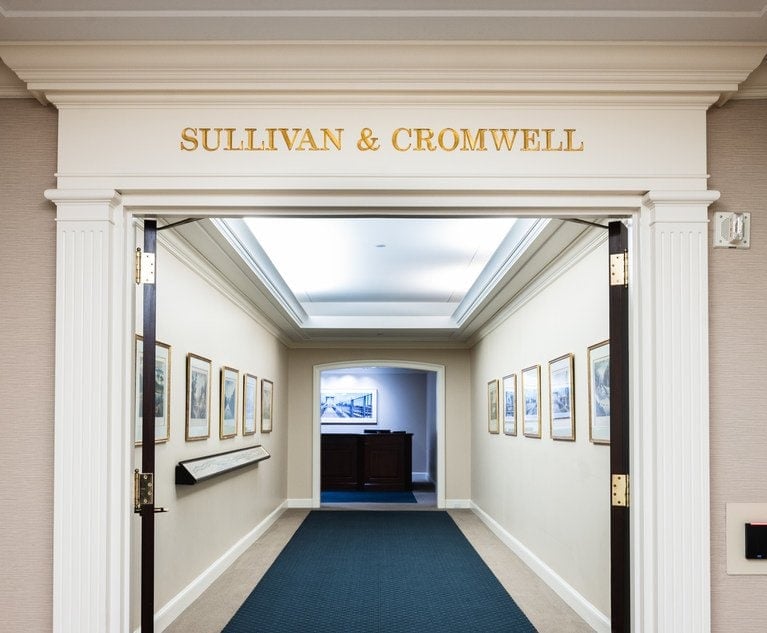
Sullivan & Cromwell Apologises to Judge After Fabricated Citations Exposed

Sullcrom

In yet another high-profile reminder that AI “hallucinations” remain a clear and present danger to even the most sophisticated law firms, Sullivan & Cromwell (S&C) has formally apologised to New York federal bankruptcy judge Martin Glenn after a major court filing in the Prince Group restructuring contained fabricated citations and misquoted the U.S. Bankruptcy Code.

The errors were discovered not by the firm’s own rigorous review processes — but by opposing counsel at Boies Schiller Flexner (BSF). S&C promptly corrected the filing and, in a letter dated Saturday, co-head of the firm’s global restructuring practice Andrew Dietderich admitted the mistakes stemmed directly from artificial intelligence.

“We deeply regret that this has occurred,” Dietderich wrote. “I apologise on behalf of our entire team. I also called BSF on Friday to thank them for bringing this matter to our attention and apologise to them directly as well.”

The filing in question was submitted on 9 April in the Southern District of New York Chapter 15 proceedings brought by British Virgin Islands-appointed liquidators against entities linked to the Prince Group, controlled by Chinese-born businessman Chen Zhi. The case has already drawn international attention amid separate U.S. criminal charges against Chen involving wire fraud, money laundering, and allegations tied to forced-labour scam compounds in Cambodia.

According to the apology letter, the AI-generated inaccuracies included wrongly summarised case conclusions, incorrect citations, and a direct misquotation of the Bankruptcy Code. Despite S&C maintaining “comprehensive policies and training requirements governing the use of AI tools in legal work,” the firm conceded those policies were not followed and that the secondary review process failed to identify the hallucinated content.

This latest incident underscores a persistent industry-wide challenge that LawFuel has tracked closely. Similar AI citation blunders have already gone viral in Georgia, cost lawyers thousands in sanctions elsewhere, and prompted fresh scrutiny of BigLaw’s AI governance frameworks.

As we reported in “AI Is Smarter Than You—Until It Lies,” the hallucination problem is not going away — and firms that treat AI as a plug-and-play solution without iron-clad human oversight do so at their peril.

Readers following the AI liability wave will also note the growing body of case law and commentary, including the $10 million OpenAI lawsuit that could reshape legal exposure around hallucinated outputs.

For a comprehensive database of AI hallucination cases now being cited by courts and commentators, see Damien Charlotin’s authoritative tracker at damiencharlotin.com/hallucinations.

S&C has not disclosed which AI tool was used, which lawyers were involved, or whether internal disciplinary action has been taken. The firm did, however, file a corrected version of the brief with the court.

Scroll to Top