
Article source: Viciti Law, CA
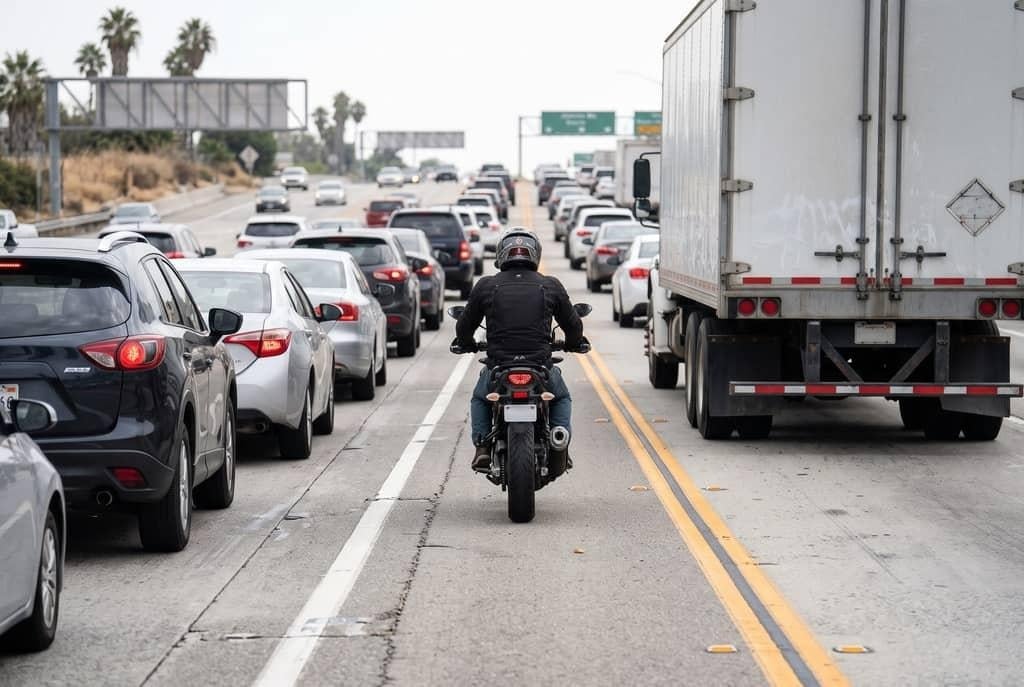
Anyone who drives the 101 at rush hour has seen it. A motorcycle eases between two lanes of crawling traffic. Some drivers think the rider is breaking the law. Others think they are allowed to stop it. Both ideas can lead to crashes. Here is what California law and the California Highway Patrol actually say.
Myth 1: Lane splitting is illegal
It is legal in California. Vehicle Code section 21658.1, in effect since January 1, 2017, defines lane splitting. It means riding a two-wheeled motorcycle between rows of stopped or moving vehicles in the same lane. The definition covers divided and undivided roads alike.
For drivers, the CHP’s California Motorcyclist Safety page puts it plainly: lane splitting by motorcyclists is legal in California.
Myth 2: There is a legal speed limit for splitting
The statute does not set one. Instead, it defines lane splitting and allows the CHP to develop educational safety guidelines.
The CHP’s tips focus on judgment rather than numbers. They warn that danger increases as overall speed rises. Danger also grows as the gap widens between the rider’s speed and the speed of traffic. The CHP suggests splitting between the far left lanes when possible. It also advises riders not to split next to big rigs, buses and motorhomes. Riders should not linger in a driver’s blind spot, either.
Myth 3: Riding the shoulder is the same thing
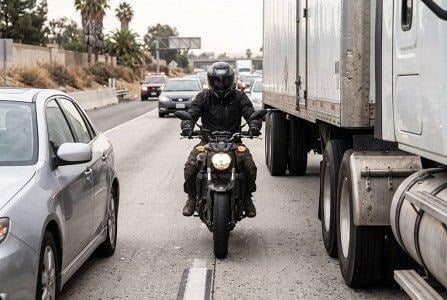
It is not. According to the CHP, riding on the shoulder is illegal and is not considered lane splitting. The legal definition covers riding between rows of vehicles, not beside them.
Myth 4: Drivers can close the gap to stop a rider
They cannot. The CHP says that intentionally blocking or impeding a motorcyclist in a way that could cause harm is illegal. Opening a car door to impede a rider is illegal too.
Drivers can help in simple ways. The CHP asks drivers in the far left lane to move to the left side of their lane. That leaves riders room to pass. Also, check your mirrors and signal before any lane change in slow traffic. A quick move into a gap can put a rider at risk.
Myth 5: If a lane-splitting rider gets hit, the rider is at fault
Fault is not automatic in either direction. California uses a comparative fault. Under Civil Code section 1714 and the California Supreme Court’s decision in Li v. Yellow Cab Co. (1975), each person’s share of blame is weighed.
For example, a driver who changed lanes without signaling may carry much of the responsibility. A rider moving far faster than traffic may carry some as well. A rider who shares some fault can still bring a claim, though that share is taken into account. Evidence such as photos, video, witness statements and the police or CHP report can show how fault should be divided.
Myth 6: The helmet law only applies to young riders
California’s helmet law took effect on January 1, 1992. Under Vehicle Code section 27803, every rider and every passenger must wear a safety helmet. According to the CHP, proposals to require helmets only for riders under 18 have failed in the Legislature.
Helmets can also come up after a crash. The other side may argue that a missing helmet made a head injury worse. Even so, that argument does not erase a careless driver’s share of fault.
If a crash happens anyway
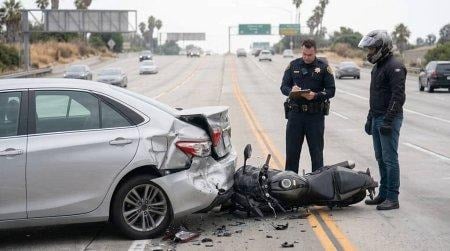
Riders and drivers both have work to do after a collision. A few steps protect your health and your record:
- Get checked by a doctor, even if you feel fine.
- Keep your helmet, jacket and gear as they are. Do not repair or throw them away.
- Photograph the scene, the vehicles and your injuries.
- Collect names and phone numbers from witnesses.
- Get the report number from the CHP or police.
In California, most injury lawsuits must be filed within two years. Before talking to the other driver’s insurer, riders can read more about how lane splitting affects fault after a crash.
Ivetta Avanesov is the founding attorney of Viciti Law in Sherman Oaks, California. This article is general information, not legal advice.
