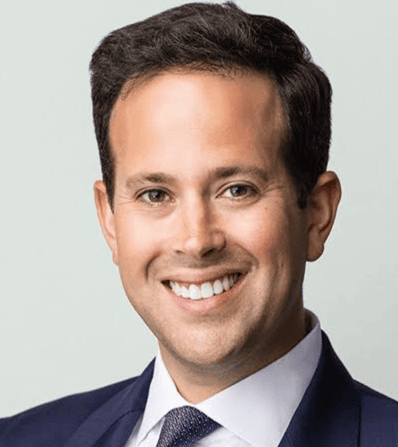
Cryptocurrency firm Coinbase continues to expand its legal team with two latest recruits, including one from Google and another from Dyson, to join former Facebook lawyer Paul Grewal

One of our key priorities at Coinbase is to be trusted as we create an open financial system for the world. This requires us to be world class at security, compliance, technology, customer support, design, and more. A strong and diverse legal and compliance team is also a key part of achieving this priority.
With that in mind, we welcome two senior hires to our growing legal and compliance team: Milana McCullagh as Vice President, Deputy General Counsel — Product and Commercial and Katherine Minarik as Vice President, Deputy General Counsel — Litigation. Milana and Katherine will help drive Coinbase’s momentum to ensure our internal and external operations remain strong and regulatory compliant.
Milana’s background includes more than 13 years at Google where she led a global team of lawyers supporting some of the company’s most notable products like Google Search and Google Maps, along with Google’s AI efforts. At Google, Milana worked closely with product, engineering, and business leads to solve some of Google’s most complex regulatory problems and help further Google’s mission. With a passion for disruptive technologies, Milana will work across functions at Coinbase to scale the product legal support, ensure compliance with law, and help launch products as efficiently as possible.
Katherine joins Coinbase with extensive experience including in-house executive-level roles at Dyson and cleverbridge as well as over a decade at Bartlit Beck Herman Palenchar & Scott law firm, where she resolved several billion-dollar disputes and rose to be a partner. At Dyson, where she was most recently General Counsel of the Americas, Katherine was responsible for managing legal risk and delivering all legal services necessary to support Dyson’s business in the region. This includes navigating the litigation risks from employment to IP to regulatory to product as well as leading the cross-functional Covid working group, which designed and executed a plan to safely reopen dozens of facilities across the Americas.
As Coinbase continues to build the platforms and services that investors expect and deserve, we’re committed to bringing in the best leadership possible to guide our vision. We strongly believe that it’s only with the right combination of technology and people that we will achieve our mission.
- Lawfront Hits £175m As Private Equity Legal Roll-Up Adds Two More Firms


- Top 5 Custom AI Development Companies for Growth in 2026

- Slaughter And May Still Rules London’s Listed Market. The Problem Is The Market Is Shrinking

- Big Law Firms Have Been Keeping the AI Savings – Now Wall Street Wants Them Back
 Goldman Sachs, Morgan Stanley and Citi are asking a rather uncomfortable question of their outside lawyers: if AI is making legal work faster, why aren’t the bills getting smaller? Power Points Goldman Sachs, Morgan Stanley and Citigroup are pushing major law firms to demonstrate how AI efficiencies are being reflected in their legal bills. Citi has begun asking firms bidding for work to explain their AI-related savings, while Morgan Stanley is moving much of its outside legal work toward competitive bidding and alternative fee arrangements. The pressure goes directly to the BigLaw leverage model, where armies of associates traditionally generated large volumes of billable hours. New LexisNexis research shows 94 per cent of lawyers now use AI for legal work and 55 per cent expect AI to change law firm billing. The battle is shifting from whether lawyers should use AI to a much more interesting question: who gets the financial benefit? For the past few years BigLaw has been enthusiastically telling anyone within PowerPoint range that artificial intelligence will transform legal practice and clients have been listening.
 - When a Software Bug Becomes a Legal Problem: What Businesses Should Know

- Does Your Massachusetts Police Report Go to Your Insurer?
- Legal AI – Can’t Work Without It: Why 15% of Big Law Attorneys Are Now Officially Dependent on AI
 According to fresh survey data from LexisNexis UK, 15% of lawyers at large commercial law firms now admit they are completely dependent on AI to carry out their daily legal work. The reliance is almost as pronounced in corporate legal departments, where 13% of in-house counsel report identical dependency. Artificial intelligence in the legal sector has crossed the rubicon from experimental pilot project to standard operating equipment. Log in to read ., .