
The Best Netflix’s Law Dramas
Fully updated in June 2026
This update refreshes the rankings, adds FAQs on legal realism, and clarifies where each show shines for lawyers and law students.
Tom Borman, LawFuel contributing editor
Netflix’s catalog Netflix’s catalog keeps shifting, but some legal dramas consistently stand out. We’ve looked at the movies and tv shows that achieve critical acclaim, legal accuracy, cultural impact and their overall binge‑worthiness. LawFuel’s legal show editors have done the all important viewing and rating based on the key factors (as below)
Quick answer: the must‑watch Netflix law dramas
Our top selections include shows that effectively anchor the LawFuel Netflix List, such as The Lincoln Lawyer, Better Call Saul, Unbelievable, Suits which meet the key criteria of displaying great story-telling, realism, ethical dilemmas, biglaw culture and compelling interest.
How this list is ranked
- Legal accuracy and realism (courtroom procedure, ethics, practice details)
- Critical reception (IMDb/Rotten Tomatoes)
- Impact on the profession / law‑school teaching
- Entertainment value and binge‑worthiness
Our selection of the top shows includes a variety of key factors, such as critical acclaim, legal accuracy, and viewer ratings.
Here’s the definitive ranking of Netflix’s legal dramas based on critical reception, audience scores, and cultural impact – plus three wildcards that could shake up the list based on my own experience as a must-watch, must-have legal drama reviewer.
The Gold Standard Legal Dramas
### 1. The Lincoln Lawyer (IMDb 8.1, RT 100%)
**Best for:** Criminal‑law enthusiasts and trial lawyers who want realistic courtroom strategy and evidence battles.
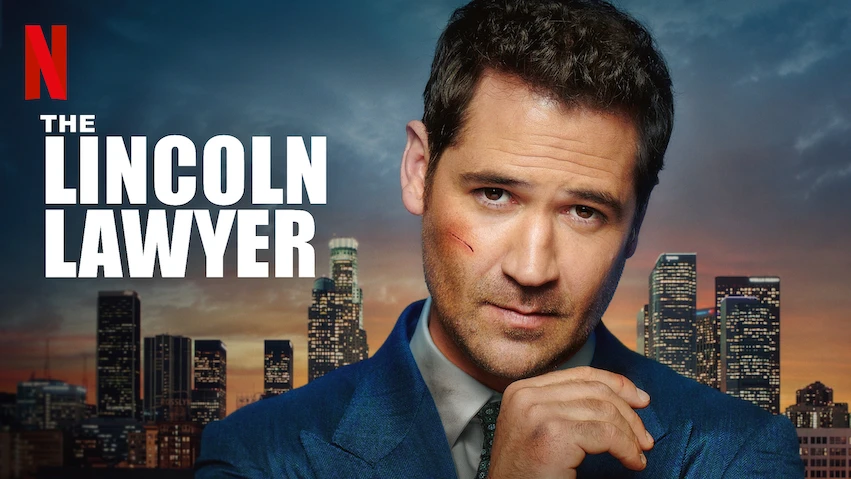
**Synopsis** The Lincoln Lawyer follows defence attorney Mickey Haller, who runs his practice from the back seat of a Lincoln while juggling a stream of high‑stakes cases across Los Angeles. Built on Michael Connelly’s novels, the series blends street‑level investigation with tense courtroom set pieces, showing both the grind and glamour of criminal defence practice. It has quickly become a reference‑point legal drama for lawyers and law students looking for something more grounded than the usual TV “gotcha” moments.
**Legal accuracy** The show stands out for how closely it tracks real evidentiary and procedural rules, especially around hearsay, privilege, jury selection and suppression motions. Instead of magical last‑minute revelations, cases often turn on credible legal tactics: challenging the admissibility of key evidence, probing police procedure or carefully shaping voir dire. Courtroom dialogue is more measured than melodramatic, and many of the strategic choices Mickey makes – from plea negotiations to whether to put a client on the stand – mirror decisions defence lawyers actually face. That attention to detail has seen legal academics and former prosecutors use the series as an example of relatively realistic trial practice.
**Unique angles** Where many legal dramas focus solely on big‑firm offices or heroic prosecutors, The Lincoln Lawyer emphasises a mobile, scrappy defence practice that depends on hustle as much as pedigree. The show spends real time on client intake, investigation, working with investigators and support staff, and the unglamorous logistics of running a small criminal‑law practice. It also explores the blurred line between lawyer, fixer and counsellor, with Mickey constantly balancing legal strategy against personal risk, media scrutiny and the practical needs of clients who may not be perfectly “sympathetic”. That combination of blue‑collar lawyering and high‑stakes cases gives it a distinct tone in the legal‑drama landscape.
**Real‑world relevance** For practising lawyers and law students, the series offers a useful window into how defence counsel build reasonable doubt, manage difficult clients and navigate a system that often feels stacked against them. It illustrates how much of trial work happens outside the courtroom – in negotiations, investigations and pre‑trial motions – rather than in the few minutes of cross‑examination that usually make it to screen. It also raises familiar professional‑responsibility questions about client selection, media engagement and how much risk a lawyer should personally absorb for a cause. That mix of procedural realism, strategic thinking and ethical tension makes The Lincoln Lawyer more than just slick entertainment: it is a surprisingly rich case study in modern criminal practice.
### 2. Better Call Saul (IMDb 8.7/10, RT 97–99%)
**Best for:** Ethics nerds, solo practitioners and anyone fascinated by how lawyers slide from “bending” to “breaking” the rules.

**Synopsis** Better Call Saul tracks small‑time attorney Jimmy McGill as he slowly transforms into morally compromised criminal‑law fixer Saul Goodman. Across six seasons, it becomes one of television’s most nuanced portraits of a lawyer’s professional rise and moral fall. The show blends slow‑burn character work with sharp legal plotting, showing how economic pressure, family dynamics and ego can reshape a lawyer’s identity.
**Legal accuracy** Legal ethics professors have embraced Better Call Saul as a teaching tool because it handles professional‑responsibility questions with unusual sophistication. The series accurately depicts the grind of client development, the economics of solo practice and the ethical dilemmas that arise when personal interests collide with clients’ needs. It illustrates how a lawyer can technically comply with rules like Model Rule 1.1 on competence while undermining their spirit, and how minor shortcuts can snowball into serious misconduct. Your existing “truth bomb” and “detail geekout” points about real bar complaints and disbarments can be folded into this section as vivid examples of how grounded Jimmy’s scams are in actual disciplinary history.
**Unique angles** The writers’ decision to study real bar complaints and consult legal‑ethics experts gives Jimmy’s schemes a grim plausibility rather than comic‑book flair. Unlike most legal shows, Better Call Saul spends time on mundane but essential parts of practice: paperwork, low‑paying elder‑law work, small‑claims victories and failed marketing stunts. It also foregrounds business development, referrals and branding in a way international legal dramas often skip, making the show as much about surviving as a lawyer as winning cases.
**Real‑world relevance** Jimmy McGill’s gradual slide into Saul Goodman functions as a cautionary tale about how lawyers rationalise bad behaviour one step at a time. His relationship with his brother Chuck captures the psychological tension of competition within “legal families” and the resentment that can drive risky decisions. For practising lawyers and students, the show offers a vivid way to discuss burnout, debt, prestige anxiety and the temptation to cut corners when the system feels rigged. It also gives marketing‑ and small‑firm‑focused viewers a rare, if darkly comic, look at the business side of law practice that most TV glosses over.
3. The Lincoln Lawyer S3 (RT 100%, IMDb 8.1)

Prestige TV Tier
3. Unbelievable (IMDb 8.3, RT 98%)
**Best for:** Lawyers, investigators and students focused on sexual‑assault prosecutions, trauma‑informed policing and systemic failures.

**Synopsis** Unbelievable is a limited series based on Pulitzer Prize‑winning reporting about a young woman whose rape report is dismissed and the detectives who later uncover the truth. It intercuts the story of Marie, a teenager pressured into recanting, with a methodical investigation by two detectives in another jurisdiction. The result is a devastating, slow‑burn look at how the justice system can harm victims while still claiming to protect them.
**Legal accuracy** Your article already notes that the show accurately portrays the legal and procedural elements of sexual‑assault investigations, from evidence collection to inter‑agency coordination. It captures the difficulty of building cases where physical evidence is limited and victim testimony is shaped by trauma. Lawyers will recognise how investigative failures and bias can derail prosecutions, create wrongful prosecutions or deny justice entirely. The series also shows the downstream legal consequences when early police work is sloppy or hostile, leaving prosecutors with weak files and victims less willing to engage.
**Unique angles** Unbelievable benefits from consultation with the original investigators and legal professionals involved in the underlying case, which shows in its procedural detail. Structuring the story across different jurisdictions allows the series to contrast two investigative cultures: the early, disbelieving approach to Marie’s complaint versus the later, victim‑centred work of Detectives Duvall and Rasmussen. That parallel storytelling gives viewers a rare, side‑by‑side look at how different investigative philosophies lead to dramatically different outcomes.
**Real‑world relevance** The show’s portrayal of Duvall and Rasmussen has been cited as a masterclass in trauma‑informed interviewing and victim‑centred policing, to the point where some agencies reference it in training. For lawyers, it illustrates why challenging faulty investigations in court is not just a technical exercise but a matter of justice for both victims and defendants. It also highlights how institutional culture, resourcing and unconscious bias can shape which cases are pursued, how victims are treated and what “justice” looks like in practice. Unbelievable therefore operates as both gripping drama and a powerful teaching tool about the stakes of getting sexual‑assault investigations wrong.
4. The Trial (Il Processo) (RT 9/10)
Best for: Viewers interested in European criminal procedure, victim‑focused storytelling and how media pressure shapes prosecutions.

**Synopsis** The Trial (Il Processo) is an Italian legal drama that follows prosecutor Elena Guerra as she investigates the murder of a teenage girl in the city of Mantua. Against a backdrop of foggy canals and intense media attention, Elena confronts both professional pressure and personal entanglements in the case. For English‑speaking audiences, it offers a moody, atmospheric look at a very different legal culture.
**Legal accuracy** Your article notes that the series accurately portrays Italian criminal procedure and the more inquisitorial structure of continental systems. Prosecutors play a more overt investigative role than in the United States, and courtroom exchanges reflect a different set of expectations about how evidence is presented and tested. Legal professionals who watch will notice the emphasis on judicial fact‑finding, written records and formal hearings rather than adversarial theatrics. The show’s attention to hierarchy inside the prosecutor’s office and to the influence of local politics also rings true to those familiar with civil‑law jurisdictions.
**Unique angles** The Trial stands out by giving viewers an authentic look at an Italian legal environment, supported by local legal expertise behind the scenes. Mantua itself is almost a character, with its geography, media and social networks shaping how the case is perceived and pursued. The series foregrounds how personal relationships, class and cultural expectations intersect with formal rules to influence charging decisions and trial strategy. That blend of crime mystery, legal drama and regional specificity differentiates it from more generic international imports.
**Real‑world relevance** For American and common‑law lawyers, The Trial functions as a compact comparative‑law case study: it shows how similar offences are approached very differently when the system places more power in the hands of judges and prosecutors. It prompts reflection on issues like prosecutorial independence, media influence and victims’ status within proceedings. The series also reminds viewers that, despite structural differences, prosecutors everywhere face similar pressures around workload, public opinion and the pull of personal loyalties. That combination makes it a useful watch for anyone thinking seriously about how system design affects justice outcomes.
Crowd‑Pleaser Legal Dramas
5. Suits (IMDb 8.4, RT 73-94%)
Best for: Viewers curious about BigLaw culture, office politics and mentor–mentee dynamics more than strict legal realism.

**Synopsis** Suits follows star closer Harvey Specter and photographic‑memory prodigy Mike Ross as they navigate cases and politics at a high‑powered New York corporate firm. The show leans into sharp dialogue, high‑stakes deals and office intrigue as much as – or more than – courtroom battles. It became one of Netflix’s most‑watched legal series, particularly among students and young professionals drawn to its aspirational aesthetic.
**Legal accuracy** Your article openly acknowledges that Suits takes major liberties with procedure, timelines and, of course, the core “fake lawyer” premise. Trials that would take months in reality are compressed into days, and courtroom fireworks often trump the slow grind of discovery. Yet many lawyers agree that the show captures certain truths about collaborative case‑building, partner–associate dynamics and client pressure in large firms. The depiction of teams of lawyers, paralegals and staff working together to solve problems is closer to reality than the lone‑wolf genius seen in many other dramas.
**Unique angles** Suits devotes more attention than most series to firm culture: power struggles, office politics, mentorship and the unwritten rules of partnership. It also explores non‑traditional pathways and “faking it until you make it,” which has obvious resonance in an era of disrupted legal careers, even if Mike’s situation could never withstand real‑world scrutiny. You highlight fun details like ex‑lawyers in the writers’ room slipping in inside jokes, and those touches help explain its enduring appeal. The show’s blend of fashion, humour and law‑firm soap opera has also made it a global export that shaped public images of “BigLaw” far beyond the US.
**Real‑world relevance** For prospective and early‑career lawyers, Suits offers a stylised but recognisable picture of issues like mentor selection, loyalty, reputational risk and work–life imbalance. It provides a springboard for talking about law‑firm hierarchy, performance expectations and the ethics of cutting corners to serve clients or protect colleagues. From a LawFuel perspective, it also dovetails with real‑world topics you cover: law‑firm branding, talent retention, internal culture and the business pressures behind big‑ticket litigation. Even if it is more guilty pleasure than procedural documentary, Suits remains a useful cultural touchstone for how the public – and many clients – think corporate lawyers live and work.
6. How to Get Away with Murder (RT 84-100%)
Best for: Law students and fans of twisty, ethics‑driven plots who want to explore the darker side of criminal‑law teaching.

**Synopsis** How to Get Away with Murder centres on criminal‑law professor Annalise Keating and a hand‑picked group of students who become entangled in a series of murders and cover‑ups. Created in the Shonda Rhimes TV universe, it blends classroom scenes, flash‑forwards and high‑drama twists into a dense, ongoing conspiracy. Viola Davis’s performance anchors the show and earned widespread acclaim, even as the plotting became increasingly baroque.
**Legal accuracy** Legal educators are quick to note that the series takes major liberties with law‑school practice: real students cannot represent clients or run cases the way Annalise’s group does. The show’s portrayal of clinic work, confidentiality and student authority is far more dramatic than doctrinal. However, it does accurately touch on classroom content around criminal liability, mens rea, defences and procedural rules, and it occasionally works real doctrines and case law into its teaching scenes. Executive producers consulted practising attorneys so that, beneath the heightened plotting, the terminology and broad legal concepts stay recognisable.
**Unique angles** What sets the show apart is its focus on the intersection of legal education and criminal practice, using a law‑school class as both narrative frame and ethical pressure cooker. It dives heavily into criminal conspiracy law, with recurring attention to the elements of agreement, intent and participation that drive real‑life conspiracy charges. It also foregrounds a Black woman professor as both brilliant advocate and deeply flawed person, an angle still rare in legal dramas. The blend of classroom, courtroom and personal crisis gives the series a different flavour from more conventional firm‑ or court‑based shows. **Real‑world relevance** Annalise Keating’s story opens up conversations about representation, bias and the extra scrutiny placed on women of colour in positions of authority in the legal profession. The series also illustrates the psychological toll of chronic exposure to violence, trauma and high‑stakes criminal work, and how that can fuel substance use, secrecy and boundary‑crossing. For students, the show can serve as a catalyst to talk about what law school is and is not really like, and how professional identity is shaped under pressure. For practitioners, it offers a heightened but resonant look at the kinds of ethical corners lawyers are tempted to cut when personal survival and client loyalty collide.
Flawed But Fascinating
7. Your Honor
Best for: Judges, litigators and ethics watchers interested in judicial power, conflicts of interest and how one decision can unravel a career.

**Synopsis** Your Honor follows respected New Orleans judge Michael Desiato, whose life implodes when his teenage son is involved in a hit‑and‑run that kills the son of a powerful crime boss. Faced with an impossible choice, Desiato begins manipulating the system he once served to protect his child. The show evolves from a contained moral dilemma into a broader exploration of how one compromised decision cascades through a fragile justice ecosystem.
**Legal accuracy** Your Honor’s strongest legal work lies in its handling of judicial ethics and the practical powers judges wield in criminal matters. Your existing analysis already notes that the series realistically portrays how judges evaluate evidence, weigh motions and quietly shape outcomes through scheduling, evidentiary rulings and sentencing. It also tracks the importance of physical and forensic evidence – including CCTV and ballistics – in building and breaking criminal cases, rather than relying on pure theatrics. Legal professionals will recognise the tension the show highlights between formal ethical canons and the messy personal realities judges live with.
**Unique angles** Unlike most legal dramas, Your Honor places a judge at the centre of the narrative instead of a lawyer, shining a light on a role usually kept in the background. The New Orleans setting gives the series a distinct cultural texture, blending local politics, corruption risks and the legacy of organised crime into the legal story. Your article also points out how the show explores the porous boundary between official justice and unofficial power networks, showing how criminal organisations can exploit vulnerabilities in courts, police and city government. That combination of judicial focus and city‑as‑character sets it apart from more generic courtroom shows.
**Real‑world relevance** Judge Desiato’s descent into compromise resonates with anyone who has seen how personal loyalties can collide with professional duty in real life. The series dramatises the stakes of judicial integrity: when a judge bends rules once for understandable reasons, it becomes easier to justify deeper misconduct that harms defendants, victims and public confidence in the courts. Your piece already notes that the show effectively illustrates how a single ethically tainted decision can ripple through families, criminal cases and entire communities. For lawyers, judges and students, Your Honor provides a vivid way to talk about recusal, conflicts of interest, abuse of discretion and the human pressures that make “doing the right thing” far from simple.
8. Goliath (IMDb 7.6)
Best for: Litigators and in‑house lawyers who want a gritty look at David‑versus‑Goliath battles against corporate and institutional defendants.

**Synopsis** Goliath follows disgraced former BigLaw star Billy McBride as he takes on powerful corporations and institutions from the vantage point of a rundown motel‑adjacent practice. Each season centres on a different high‑stakes case that pits McBride against better‑resourced opponents, from weapons manufacturers to energy giants. The tone is darker and more noir‑inflected than many legal dramas, with a focus on how power, money and politics shape what justice looks like.
**Legal accuracy** Your existing piece recognises that Goliath mixes stylised storytelling with a recognisable core of civil‑litigation reality. The show portrays aspects of big‑ticket litigation that lawyers will recognise: sprawling discovery, corporate stonewalling, motion practice and procedural trench warfare that happens long before trial. It reflects how large defendants use resources, delay and procedural complexity as weapons, forcing plaintiffs’ counsel to balance ideal outcomes against settlement realities. While some courtroom moments and conspiracies are heightened, the series broadly captures the pressure, fatigue and tactical calculation that define real complex‑litigation practice.
**Unique angles** Goliath distinguishes itself by focusing on a fallen rainmaker operating outside the elite firm world he helped build, giving viewers both insider and outsider perspectives on high‑stakes litigation. The series leans into the idea of law as a tool for challenging institutional power, showing how a small team can pry open secrets that well‑funded defendants would prefer to keep buried. It also plays with genre elements – noir visuals, offbeat supporting characters, morally ambiguous allies – which gives the show a rougher, more idiosyncratic feel than glossy office‑bound legal dramas.
**Real‑world relevance** For practising litigators and in‑house counsel, Goliath offers a dramatized but recognisable picture of how asymmetric litigation risk and cost shape strategy. The show prompts reflection on contingency‑fee economics, whistleblower dynamics and the personal toll of years‑long fights against larger opponents. It also touches on issues LawFuel covers regularly, such as reputational risk, corporate governance failures and how public‑facing litigation can reshape a company’s brand as much as its balance sheet. Even when it tips into conspiracy, the series keeps returning to questions about who the civil‑justice system really serves when one side can comfortably outspend the other.
Niche but Must‑See Legal Dramas
9. Reasonable Doubt (IMDb 6.5)
Best for: Lawyers and professionals who want a stylish, character‑driven look at high‑profile defence work and personal–professional boundary issues.

**Synopsis** Reasonable Doubt centres on Jax Stewart, a high‑performing Los Angeles defence lawyer whose caseload, personal life and public image constantly collide. Created by Raamla Mohamed, the series blends glossy, high‑stakes cases with an intimate portrait of a Black woman navigating the upper tiers of the legal profession. Across its run it has attracted a passionate audience less for doctrinal detail than for its sharp character work, relationship dynamics and willingness to show the costs of “having it all.”
**Legal accuracy** Your article notes that the show handles the core elements of high‑profile criminal defence realistically: intense media scrutiny, reputational risk, and the need to manage narratives both in and out of court. It portrays the collaborative nature of serious defence work, with investigators, colleagues and experts contributing to strategy rather than a lone genius solving everything overnight. The series also reflects genuine ethical tensions around representing unpopular clients, protecting confidentiality and balancing advocacy with personal values, even if timelines and some set‑pieces are heightened for drama.
**Unique angles** Reasonable Doubt’s most important contribution is its focus on a Black woman lead operating at the top of a big‑city criminal practice, foregrounding issues of representation and bias rarely tackled head‑on in other legal dramas. Your existing piece highlights how the show explores the intersection of race, gender, class and professional status, using Jax’s story to surface subtle and overt forms of prejudice inside and outside the courtroom. It also leans into the overlap between criminal defence and broader social‑justice concerns, showing how lawyers can both navigate and sometimes challenge systemic inequities through their case choices and tactics.
**Real‑world relevance** For legal professionals, the series provides a starting point to discuss how identity shapes clients’ expectations, colleagues’ reactions and the public’s perception of a lawyer’s competence and motives. It illustrates the emotional labour involved in constantly proving oneself in spaces not designed with diverse practitioners in mind. The show depicts the personal toll of high‑stakes practice: strained relationships, blurred boundaries and the difficulty of switching off when your reputation is built on always being “on.” In that sense, Reasonable Doubt serves as both representation and cautionary tale for ambitious lawyers navigating similar pressures in real life.
10. For the People (IMDb 7.3)
Best for: New lawyers, law students and public‑service‑minded viewers who want to see early‑career prosecutors and defenders learning on the job in federal court.
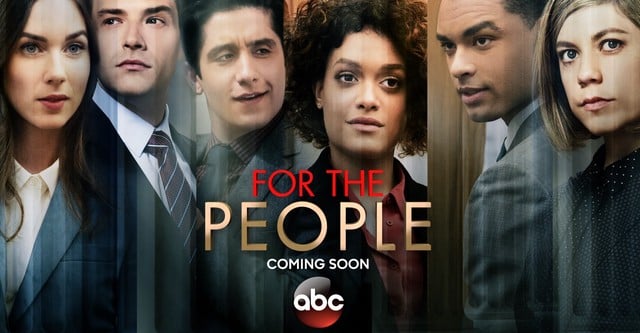
**Synopsis** For the People is set in the Southern District of New York, one of the United States’ most prominent federal trial courts, and follows a group of young prosecutors and public defenders at the start of their careers. As they handle a mix of constitutional questions, serious felonies and politically sensitive matters, they juggle steep learning curves with the pressure of practising in a high‑profile jurisdiction. The show presents federal court not as a distant abstraction but as a workplace where idealistic lawyers test themselves against real consequences.
**Legal accuracy**Lawyers appreciate the show’s broadly realistic depiction of federal practice: plea negotiations, motion hearings, suppression issues and the procedural complexity of federal cases. It accurately conveys that many federal matters hinge on constitutional arguments and statutory interpretation rather than pure theatrics. The series also captures the steep learning curve for new AUSAs and defenders, including the reliance on mentors, supervisors and colleagues to navigate unfamiliar doctrines and courtroom expectations. While some case resolutions are compressed, the underlying dynamics of federal criminal work will feel familiar to practitioners.
**Unique angles** Unlike most legal dramas that focus on state courts or amorphous “big cases,” For the People is explicit about its federal setting and jurisdictional stakes. Your article notes how the Southern District of New York’s reputation as a “sovereign district” with marquee cases gives the show a built‑in sense of pressure and prestige. By pairing prosecutors and public defenders at similar career stages, the series can explore both sides of the adversarial aisle with equal empathy. That dual focus, plus its attention to the institutional culture of a federal court, differentiates it from more generic courtroom fare.
**Real‑world relevance** For early‑career lawyers and students, For the People offers a reasonably grounded look at what it means to start out in public service, including the emotional weight of charging decisions, plea bargaining and sentencing recommendations. The show underlines how mentorship, supervision and office norms shape young lawyers’ judgment far beyond what they learned in class. It also illustrates the broader structural point your piece makes: the American system’s dual state–federal structure produces a specialised federal bar with its own procedures, expectations and opportunities that differ sharply from many unified international court systems. That makes the series a useful entry point for anyone thinking about federal careers or comparative criminal justice.
FAQs about legal dramas on Netflix
- What is the most realistic legal drama on Netflix?
Answer in 3–5 lines, referencing specific shows in your list (e.g. The Lincoln Lawyer, Better Call Saul, Unbelievable) and why, based on legal procedure and ethics. - H3: Which Netflix legal drama should law students watch first?
Explain which 1–2 shows are best for law students and what they teach (ethics, trial advocacy, law‑school culture, etc.). - H3: Are these legal dramas accurate about law firm life?
Briefly contrast Suits vs more realistic portrayals and mention what’s exaggerated vs useful.
Explore the full breakdown and legal accuracy analysis on LawFuel.com.
Author: Tom Borman writes on legal issues, law marketing and other matters of interest to lawyers, including his most recent article on law firm marketing in the age of automation. He can be contacted at news@lawfuel.com.







Really appreciated seeing ‘The Lincoln Lawyer: L.A. Street Justice Reimagined’ at the top of your list, Ben Boman. It’s a fresh take with lots of layers. Who else thinks they nailed the casting for this one?
Is it just me, or does every legal drama now feel like a rehash? ‘Better Call Saul’ set the bar high. Waiting for something new to actually surprise me.
‘Unbelievable’ is indeed an underrated gem among legal dramas. Its approach to sensitive matters with such care is commendable. Would love to see more shows take on real issues with the same diligence.
Haven’t seen ‘Unbelievable’ yet. Is it really that good? Been looking for something new after bingeing ‘The Trial’.
While ‘For the People’ offers a glimpse into the courtroom, it barely scratches the surface of the complexities of legal battles. Real life is much more nuanced and exhausting. Anyone else think TV oversimplifies law?
Absolutely love ‘Suits’ for its witty banter and stylish characters. It’s more than just a legal drama; it’s about ambition and relationships. Who’s your favorite character?
I find it quite interesting that ‘Goliath’ is included in your top 10, Ben Boman. While it provides a unique take on the legal drama genre, I wonder about its lower viewer ratings compared to others on the list. Does the critical acclaim outweigh audience perception?
Every time I see ‘How to Get Away with Murder’ mentioned, I can’t help but applaud the complexity of the storylines and Viola Davis’s powerful performance. Truly, a masterclass in storytelling and acting.
Seeing ‘Your Honor’ on the list makes me curious about the ethical dilemmas it presents. Can someone share if it dives deep into the morals vs. law debate? Haven’t caught that one yet.