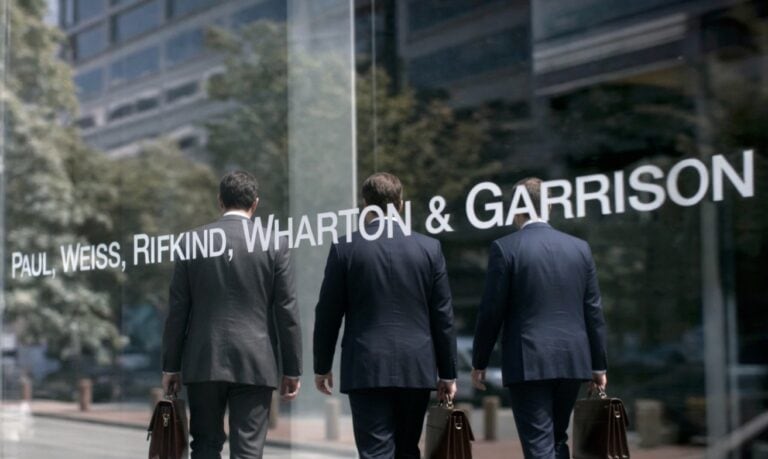
Paul Weiss Loses Two More Litigators As “Everything Is Fine” Narrative Gets Harder To Sell
Ben Thomson, LawFuel contributing editor
The litigation talent-bleed at Paul Weiss has not stopped, but has merely broadened its practice focus. Two more senior partners are heading for the exits, adding to a rolling series of departures that has turned what was once one of Big Law’s most closely watched litigation shops into a case study in how quickly a top-tier bench can be reshaped.
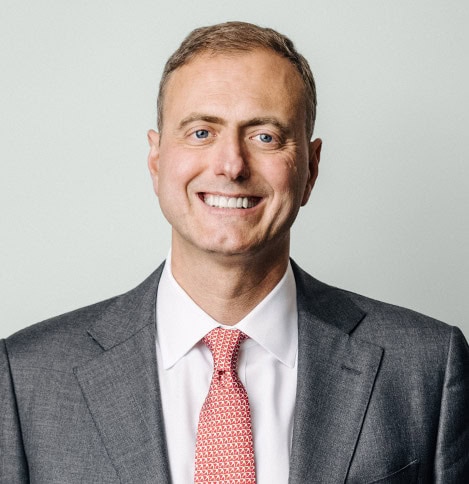
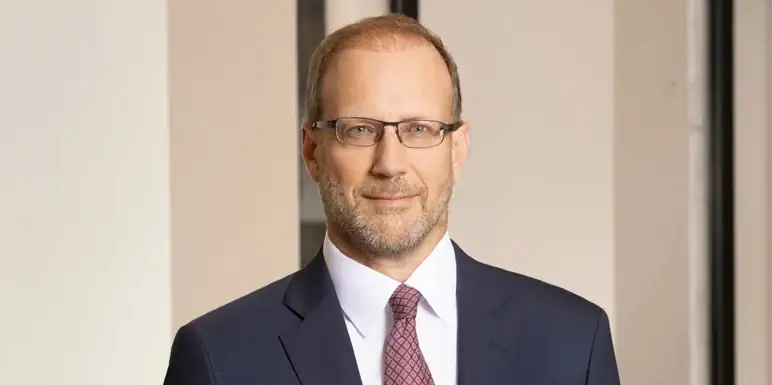
Long‑time partner Andrew Ehrlich, (pictured) a 24‑year veteran of the firm and co‑chair of its securities litigation and enforcement group, is leaving Paul Weiss. Ehrlich, a Chambers‑ranked securities litigator with a roster of public companies, boards and asset managers, is not walking out quietly from the margins; he is central casting for the kind of lawyer Paul Weiss has historically used to anchor its litigation brand.

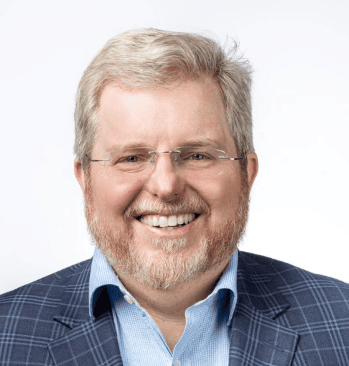
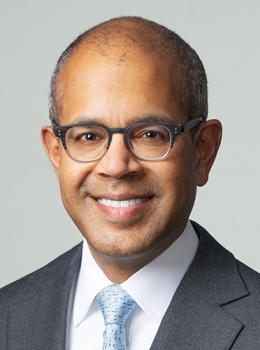
Also departing is Roberto Gonzalez, (pictured) co‑chair of the economic sanctions and anti‑money laundering practice, who is heading to Paul Hastings, where he will chair that firm’s sanctions and AML team. Bloomberg Law notes that Gonzalez’s move slots neatly into Paul Hastings’ broader strategy of hoovering up high‑end regulatory and disputes talent, including from Paul Weiss, as it builds out its global investigations and enforcement offering.
A Department Reshaped, Not “Unchanged”
The Paul Weiss exits follow the launch of litigation boutique Dunn Isaacson Rhee, founded by former Paul Weiss litigators Karen Dunn, Jeannie Rhee, Bill Isaacson and Jessica Phillips, who left in the wake of the firm’s politically fraught deal with the Trump administration.
Reuters and other outlets report that additional Paul Weiss partners, including Melissa Zappala, Kyle Smith and Rush Atkinson, have since followed that group to the new firm.
The litigation bench has also been hit at the very top of the appellate market. Supreme Court specialist Kannon Shanmugam (left) – with nearly 40 arguments before the Court – departed for Davis Polk to help build out its Supreme Court and appellate practice.
Former Homeland Security Secretary Jeh Johnson retired from Paul Weiss after roughly four decades, and longtime pro bono head Steven Banks exited to focus on public‑interest work.
Taken together, the moves amount to a genuine reconfiguration of the Paul Weiss disputes platform, even as the firm publicly insists that nothing fundamental has changed.
Paul Weiss: “Never Been Healthier”
Internally, Paul Weiss leadership has been keen to frame the departures as a contained story. In a partners’ meeting reported by Law.com, chair Brad Karp has already commented on the earlier departures in terms very much of the ‘don’t be concerned’ tone, describing many of the exiting litigators as a “siloed unit” and insisted that the firm has “never been healthier,” pointing to record 2024 financials and strong 2025 performance.
That message echoes the tone of recent public statements following the Trump‑related backlash and the creation of Dunn Isaacson Rhee.
Financially, there is every indication that Paul Weiss remains an elite, highly profitable institution with a deep client list and aggressive lateral hiring of its own in corporate and private equity. But on the litigation side, the idea that this is merely normal portfolio rebalancing becomes harder to maintain as name partner after name partner exits for boutiques, competitors – or, in some cases, for the door marked “public service” and “retirement.”
Paul Hastings, Davis Polk And The New Talent Map
For competitors, this is a market opportunity dressed up as “strategic growth.” Paul Hastings has already picked up high‑profile lawyers from Paul Weiss on both the corporate and litigation/regulatory sides, including sanctions and AML specialist Roberto Gonzalez and private equity figures like Luke Jennings. Davis Polk, for its part, has used the Shanmugam move to plant a flag in the Supreme Court and appellate space with instant credibility.
The broader message to partners across Big Law is the one firms least like to acknowledge publicly: even at the most prestigious shops, brand strength is no longer enough to guarantee internal stability. When politics, client optics and compensation collide, mobility wins.