Article source: Hadfield Stieben Doutt, Attorneys
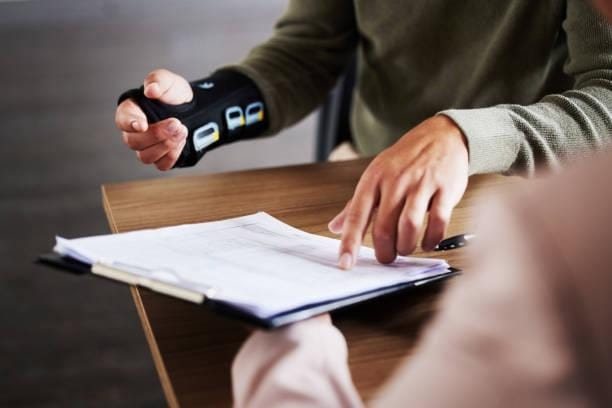
Not every personal injury claim leads to compensation. In Colorado courts, strong cases are usually supported by clear evidence, documented damages, and proof that another party’s actions caused the injury.
Loveland is one of Northern Colorado’s growing communities and sits along the busy Front Range corridor. With active roadways, construction projects, and outdoor recreation areas nearby, accidents can happen in a variety of settings.
Speaking with a personal injury lawyer in Loveland, CO, can help injured individuals understand whether they have the evidence needed to support a claim. Early legal guidance may also help preserve important information before it is lost or overlooked.
Clear Evidence Is Often the Foundation of a Strong Claim
Many people assume that simply reporting an accident is enough to prove a case. In reality, evidence often determines whether a claim succeeds or struggles.
Photographs, surveillance footage, witness statements, police reports, and medical records can all help establish what happened. The stronger the evidence, the easier it may be to demonstrate liability.
For example, a photograph showing hazardous conditions immediately after an accident may carry far more weight than a description given months later.
Medical Documentation Plays a Critical Role
One of the first questions insurers and courts often examine is whether the injuries are properly documented. Medical records help establish the nature and extent of the harm suffered.
Seeking prompt medical attention can strengthen a claim because treatment records create a timeline connecting the accident to the injury. Delays in treatment sometimes give insurance companies an opportunity to question the cause of a medical condition.
Consistent follow-up care can also help demonstrate the ongoing impact of an injury.
Proving Negligence Is Essential
A successful personal injury claim generally requires proof that another party acted negligently. This means showing that someone failed to exercise reasonable care under the circumstances.
Negligence may involve distracted driving, unsafe property conditions, defective products, or other careless actions. However, proving that negligence occurred often requires evidence rather than assumptions.
The more clearly negligence can be demonstrated, the stronger a claim may become.
Damages Must Be Supported by Evidence
Courts and insurance companies typically look for evidence of actual losses. These losses may include medical expenses, lost wages, rehabilitation costs, and property damage.
In some cases, injured individuals may also seek compensation for pain and suffering. Documentation helps support these claims and provides a clearer picture of the accident’s impact.
Keeping receipts, invoices, and employment records can help strengthen a damage claim.
Colorado’s Comparative Negligence Rules Matter
Colorado follows a modified comparative negligence system under C.R.S. § 13-21-111. Under this rule, compensation may be reduced if an injured person is partially responsible for the accident.
If a claimant is found to be 50% or more at fault, recovery may be barred entirely. Because fault allocation can significantly affect compensation, evidence becomes especially important.
This is one reason insurance companies often investigate accidents thoroughly before resolving claims.
Key Takeaways
- Strong personal injury claims rely on clear and convincing evidence.
- Medical records help connect injuries to the accident.
- Negligence must generally be proven to recover compensation.
- Damages should be supported by documentation whenever possible.
- Colorado’s comparative negligence rules can affect recovery.
- Early action may help preserve important evidence.
- Legal deadlines can impact the ability to file a claim.