Article source: Slack Davis Law
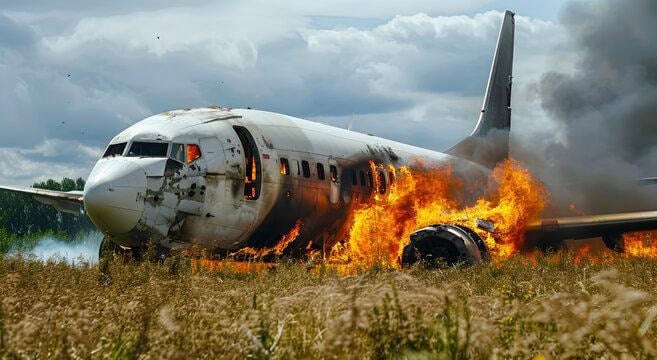
The nature of aviation accident litigation is unique in that it may be subject to complex federal regulations, may have multiple liable parties, and may involve more technical evidence. These cases are more complex than most personal injury cases and generally require specialized expertise from legal and aviation professionals.
Some of the busiest airports in the country are located in Texas, and the state also has a thriving aviation industry. There is also a lot of private and commercial air traffic year-round in the state. When this occurs, Texas aviation accident lawyers can assist the victim or family members in securing justice for the accident.
Experienced Texas aviation accident attorneys understand these unique challenges and how to navigate the legal process. In this article, you’ll learn what sets aviation accident cases apart, how liability is determined, and why specialized legal knowledge is often essential for securing fair compensation.
Why Are Aviation Accident Cases So Complex?
Most injury claims involve two parties and a clear sequence of events. Aviation accidents rarely follow that pattern.
A single crash may involve an airline, an aircraft manufacturer, a maintenance contractor, a parts supplier, an airport operator, or air traffic control services. Each party may have separate insurance coverage, legal teams, and responsibilities.
That complexity increases the time and effort needed to determine exactly what went wrong.
According to the Federal Aviation Administration, the United States conducts millions of flights each year. While commercial aviation remains one of the safest forms of transportation, accidents still occur and often require extensive investigations.
Who Investigates an Aviation Accident?
Unlike many vehicle accidents, aviation crashes trigger multiple investigations.
Several agencies may become involved, including:
- The National Transportation Safety Board (NTSB)
- The Federal Aviation Administration (FAA)
- Aircraft manufacturers
- Insurance investigators
- Independent aviation experts
The NTSB reports that aviation investigations can take months or even years to issue a final report. Those findings often serve as important evidence in litigation.
Because of this, aviation lawsuits frequently depend on technical records, maintenance logs, flight data, and expert testimony.
How Does Liability Work in Aviation Litigation?
Determining liability is often the most challenging part of an aviation accident case.
In a typical car accident, fault may rest with a single driver. Aviation accidents can involve multiple contributing factors occurring simultaneously.
Common sources of liability include:
- Pilot error
- Mechanical failure
- Defective aircraft components
- Improper maintenance
- Air traffic control mistakes
- Weather-related operational decisions
For example, an aircraft may crash after a maintenance company fails to detect a faulty component. If the part itself was defectively designed, both the maintenance provider and manufacturer could face legal claims.
This layered responsibility makes aviation litigation significantly different from ordinary injury cases.
Why Is Expert Testimony So Important?
Technical evidence plays a central role in nearly every aviation lawsuit.
Jurors and judges usually do not have specialized aviation knowledge. Experts help explain complex topics such as aircraft systems, flight operations, accident reconstruction, and federal aviation regulations.
Aviation experts may review:
- Cockpit voice recordings
- Flight data recorders
- Maintenance histories
- Pilot training records
- Weather reports
These evaluations help establish whether negligence contributed to the accident and who should be held accountable.
How Do Federal Regulations Affect Claims?
Aviation operates under a detailed framework of federal rules.
Pilots, airlines, maintenance facilities, and manufacturers must comply with federal law-established standards. Violations can become critical evidence during litigation.
The aviation industry remains heavily regulated because safety risks affect large numbers of passengers and crew. Current safety oversight continues to evolve through federal programs and research conducted across the transportation sector.
Many aviation cases, therefore, involve both personal injury law and regulatory compliance issues.
How Texas Law May Affect an Aviation Accident Claim
While aviation accidents are heavily regulated by federal agencies, Texas law can still play an important role in a lawsuit filed within the state. For example, the Texas Civil Practice and Remedies Code § 16.003 generally provides a two-year deadline for filing personal injury and wrongful death claims.
Texas also follows a modified comparative fault system under Chapter 33 of the same code, which may reduce compensation if an injured party is found partially responsible for the accident. Understanding how federal aviation rules and Texas statutes work together is often critical to building a successful claim.
Why Are Damages Often Higher?
Aviation accidents frequently result in catastrophic injuries or fatalities.
Medical expenses, lost income, long-term rehabilitation costs, and emotional losses can be substantial. When multiple victims are involved, the financial stakes rise considerably.
The severity of injuries often requires detailed economic projections and medical evaluations to accurately calculate damages.
Key Takeaways
- Aviation accident litigation involves far more parties than most injury cases.
- Federal regulations play a major role in determining liability.
- Multiple investigations often occur after an aircraft accident.
- Expert testimony is essential for explaining technical evidence.
- Liability may extend to manufacturers, maintenance providers, airlines, and others.
- Aviation injuries are often severe, increasing the value and complexity of claims.
- These cases require extensive investigation and specialized legal knowledge.