Article source: Wayne Hardee Law
Table of Contents
- Accountability and Prevention
- Influence on Policy and Regulation
- Economic Impacts
- Educational Value
- Technological Advancements
- Community Engagement
- Challenges and Controversies
- Conclusion
Accidents are an unfortunate part of everyday life. When they occur, accident claims are essential for ensuring not just justice for victims, but also a safer, more conscientious community. By encouraging accountability and supporting improvements in public safety, accident claims affect everyone, whether directly involved or not. If you ever need guidance navigating these complex processes, choosing the best injury attorney can make a meaningful difference in ensuring your rights are protected and your case contributes to broader community safety efforts.
Filing accident claims not only holds negligent parties accountable but also helps victims recover. It also serves as a mechanism for learning and prevention, as insurers, lawmakers, and local authorities analyze patterns and push for safety reforms. These processes ripple beyond individual settlements, driving reforms that protect future generations.
Accountability and Prevention
One of the primary functions of accident claims is to hold at-fault individuals or parties accountable for negligence or unsafe behavior. This accountability forms the backbone of a more responsible culture, as the threat of legal or financial consequences encourages adherence to safety protocols. Research shows that in many communities, such as Stevens Point, Wisconsin, preventable issues like distracted or reckless driving are frequent contributors to motorcycle accidents. The claims process highlights these patterns, prompting calls for enhanced driver awareness and preventive action. By making consequences tangible, accident claims foster an environment where both individuals and organizations are more likely to act responsibly.
Influence on Policy and Regulation
Major accidents and successful claims have been catalysts for policy reforms across the country. When patterns emerge, such as a spike in accidents due to road design flaws or recurring workplace hazards, regulators often respond with new guidelines and rules. The National Highway Traffic Safety Administration (NHTSA) supports a “Safe Communities” approach that integrates injury prevention, acute response, and rehabilitation to reduce fatal and nonfatal crashes. Data gathered from accident claims provides policymakers with critical evidence to understand risks and develop effective safety measures. This ensures that hard-earned lessons from past incidents help prevent future harm for everyone.
Economic Impacts
Accident claims carry significant financial implications for those responsible, insurers, and businesses. High-frequency or high-value claims often drive up insurance premiums and administrative costs. To mitigate future liabilities, businesses invest in safer equipment, improved training, or tighter oversight. These investments, which might not have occurred in the absence of claims, benefit the community by making public and private spaces safer. On a broader scale, improved safety reduces incidents and claims, helping stabilize or lower long-term insurance rates for everyone.
Educational Value
Each accident claim contains lessons that can help the community avoid similar incidents in the future. Following investigations, the root causes, such as roadway obstructions, product defects, or human error, are sometimes publicized to alert others to potential dangers. Law enforcement agencies and local governments often use these insights to inform public safety campaigns, school programs, and driver’s education curricula, reinforcing safer choices and reducing risk for future generations. Publicizing the causes and consequences of accidents also empowers individuals to advocate for improvements in their neighborhoods and workplaces.
Technological Advancements
The rise of new technology, particularly in transportation, is transforming the nature of accident claims. Autonomous vehicles, for example, introduce new questions about liability, placing the onus on manufacturers and software developers rather than just individual drivers. This shift accelerates demand for better testing protocols, real-time monitoring, and more robust safety equipment. Regulatory frameworks have begun to catch up, ensuring that, as driverless technology is adopted, public safety standards remain stringent. These conversations prompt ongoing advancements, making roads safer for everyone and setting higher expectations for future innovations.
Community Engagement
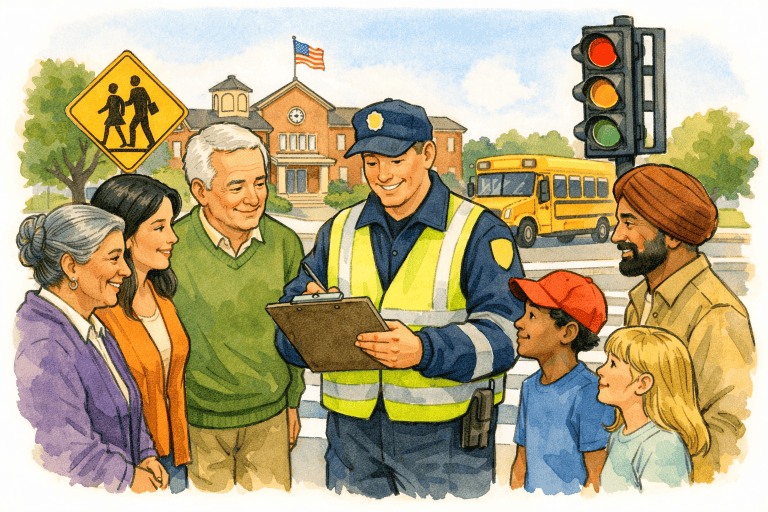
The ripple effect from accident claims extends into the fabric of communities. Major cases often inspire the formation of advocacy groups, such as traffic safety coalitions or victims’ rights organizations. When traffic safety becomes a top concern in rapidly expanding neighborhoods, residents are more likely to push for additional measures such as better signage, speed bumps, or pedestrian crossings. Through newsletters, social media, and town hall meetings, community members rally for safer shared spaces, often citing recent accident claim outcomes as justification for needed changes. Local involvement not only accelerates the adoption of improvements but also builds a culture of continuous vigilance and care.
Challenges and Controversies
Despite the numerous benefits, the accident claims process is not without its difficulties. There are debates over proposed car insurance policy reforms that could limit compensation for crash victims. Critics argue that such changes may reduce the incentive to improve and to be accountable. There is also the risk that higher premiums will price lower-income drivers out of adequate protection. These controversies challenge policymakers and communities to strike a balance between fair compensation, reasonable insurance costs, and the systemic improvements sparked by accident claims.
Conclusion
Accident claims are more than just legal proceedings; they are powerful agents of positive change. By holding wrongdoers accountable, influencing policy, encouraging wise economic behavior, spreading essential safety information, driving technology advancements, and fueling community involvement, the accident claims process plays a vital role in making our environments safer and more resilient for all.