John Bowie, LawFuel publisher
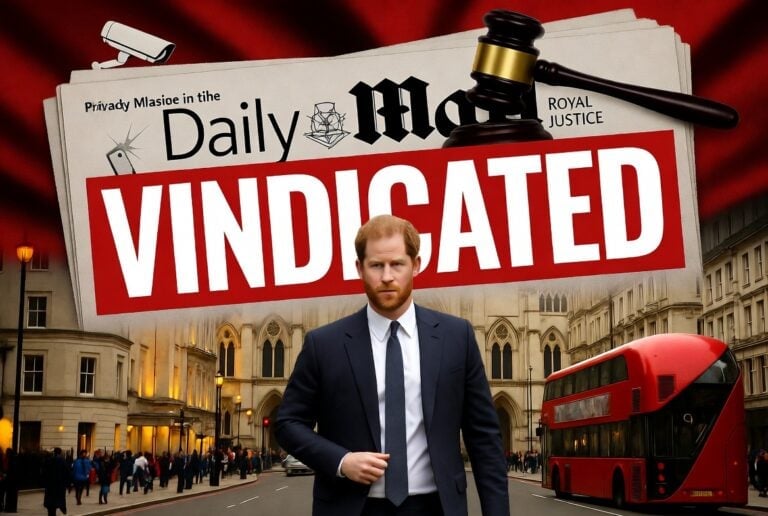
The takedown by a UK Judge of Prince Harry and his celebrity claimants’ case against the Daily Mail was just about as savage as any major litigation could be.
Apart from the financial consequences for the complainants in the case, the actual legal ‘setup’ that lead to its implementation was as ill-considered as it was calamitous for Prince Harry and his cohort of six fellow complaints, which included Sir Elton John, Hugh Grant and Elizabeth Hurley.
Consider the proven facts, which start with a phone hacker running the research.
There was a star witness, reportedly paid £75,000, who then called the whole thing “the biggest media scam in history.”
The High Court judge, Justice Matthew Nicklin, thought it appropriate to reach for the word “dishonest.”
And so the much-heralded major privacy claim turned into a £50m disaster.
Prince Harry and his fellow travellers didn’t just lose to the Daily Mail. They lost on all 97 allegations, every count, in a judgment that spent as much energy on how his side assembled the case as on the paper it targeted.
One claimant adviser was found to have staged an “improper and dishonest” scheme to dodge the time bar. A solicitor was pulled up for a “serious error of professional judgment.” The evidence, when tested, was paid for or disowned.
But the most damaging findings were not about the newspaper but about the legal operation that built the case against it.
Improper and Dishonest Scheme
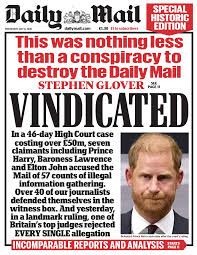
The judge found a claimant adviser had engineered an “improper and dishonest” scheme to dodge the time bar, rejected a paid-for star witness statement he could not confirm was genuine, and a claimant solicitor was faulted for a serious error of professional judgment.
With costs put above £50m and an indemnity-costs fight from 29 July, it is a study in a claim run by its lawyers rather than proved by its clients.
When the Judge cleared the Daily Mail on every one of the 97 allegations, the sharpest passages of his 436-page judgment pointed inward, at how the claim had been assembled. It was a involitigation event run like a campaign, not based on evidence and sober, considered advice.
And, of course, there was lots of money involved – a key legal stimulant.
The lawyers, and who paid for the case
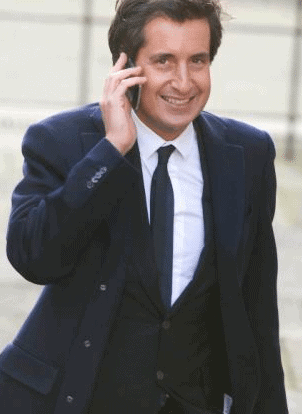
The claimants were fronted by David Sherborne (left) of 5RB, the country’s headline-friendly celebrity lawyer who revels in his own celebrity along with his A-List clients.
Shearborne is a legal veteran of everything from Princess Diana to the Wagatha Christie trial who makes a healthy living suing newspapers and had thoroughly beaten Mirror Group for Harry in 2023.
His seven clients were spread across three solicitor firms feeding a single counsel team: Hamlins LLP for Harry and Sadie Frost, gunnercooke LLP for Lawrence, Hurley, Sir Elton John and David Furnish, and Thomson Heath Jenkins & Associates for Sir Simon Hughes.
The investigation that seeded the whole thing was funded, in significant part, by the estate of the late Max Mosley, the Formula One powerbroker turned financier of press-reform litigation after his own privacy win.

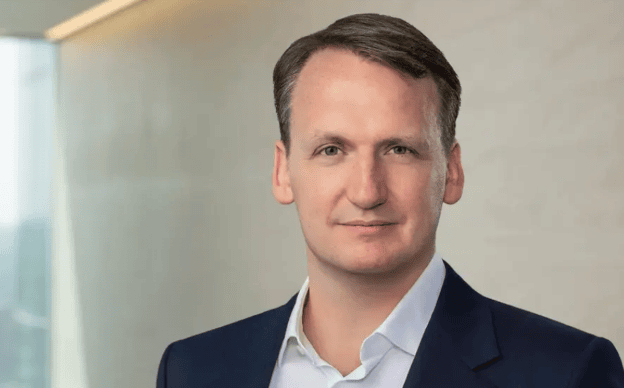
On the other side, Associated was defended by Antony White KC, (above) of Matrix Chambers, instructed by Baker McKenzie LLP, with a full roster of Mail journalists and editors, led by former editor Paul Dacre, behind him.
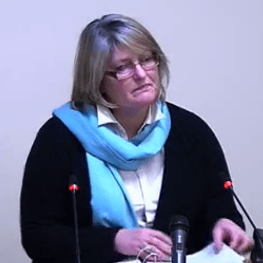
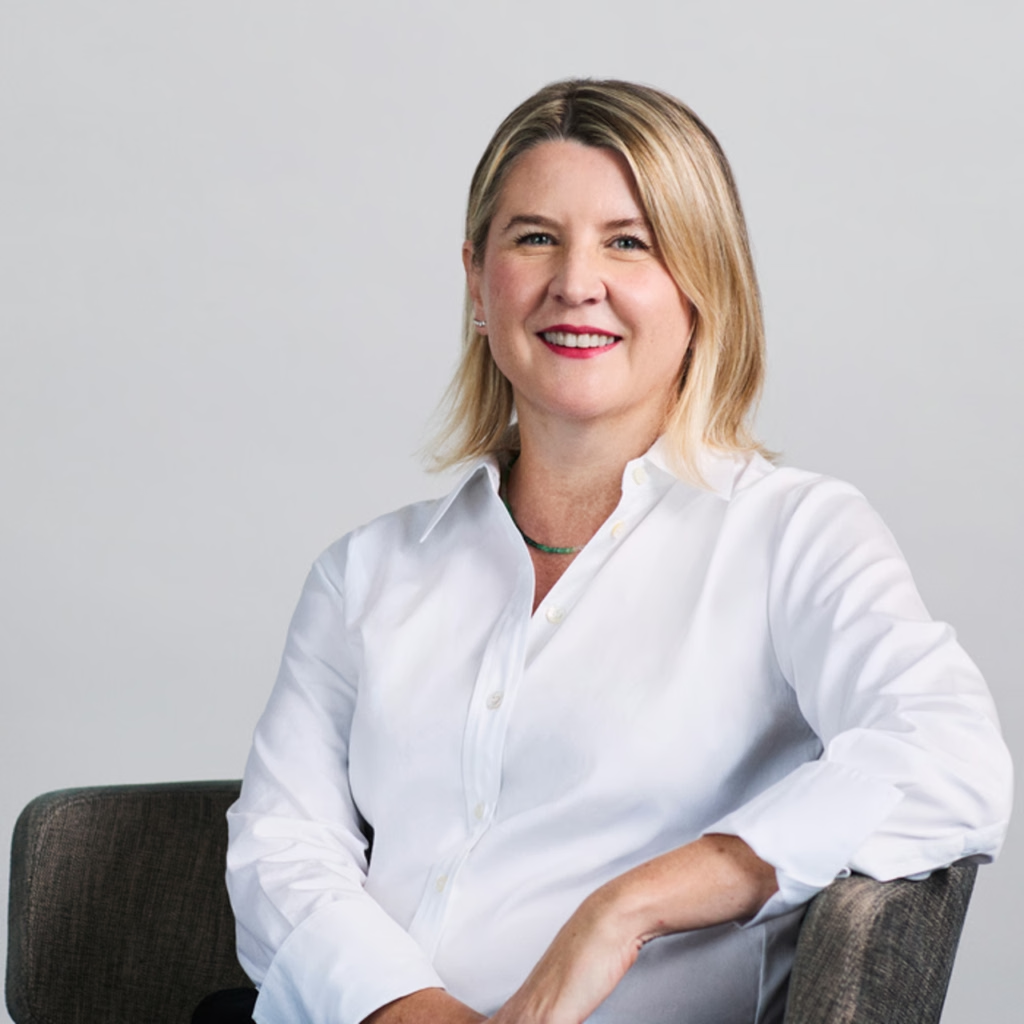
White is a top media lawyer who has long handled the often aggressive tactics undertaken by the Daily Mail and backed by senior executives including former editors Paul Dacre and Peter Wright and the group’s senior lawyer Elizabeth Hartley (pictured).
A claim the judge called dishonest
Much of the case was built by Graham Johnson, a former Sunday Mirror investigations editor who admitted phone hacking in 2014 and reinvented himself as the claimants’ paid researcher.
He interviewed private investigators, paid them, and turned the results into witness statements. The sums were not trivial so far as the expenses were concerned with the star witness, former private investigator Gavin Burrows, reportedly paid around £75,000.
But it was also Burrows who sank it. His 2021 statement claimed he had hacked and blagged for the Mail hundreds of times.
By trial he had disowned it as a forgery, said the signature was faked, and switched sides to give evidence for the paper. Nicklin found his evidence as “argumentative, evasive, internally inconsistent and, at times, extraordinary,” not even accepting that the original statement had been produced by him.
The complainants mounted an expansive theory of tabloid excess including unlawful information gathering and a sweeping set of historical allegations, some reaching into the orbit of figures such as Peter Mandelson and Jeffrey Epstein, which the court ultimately rejected. Again.
Nicklin’s response to the claim, which substantially relied on the idea that the media engage in the same dark arts in terms of information-gathering that they did in the proven phone-hacking days.
His judgment doubtless serves as a sober warning to media litigators that systemic allegations about “culture” are not a substitute for article‑specific proof that a proper court will require to be proved.
The Lawyer Problem
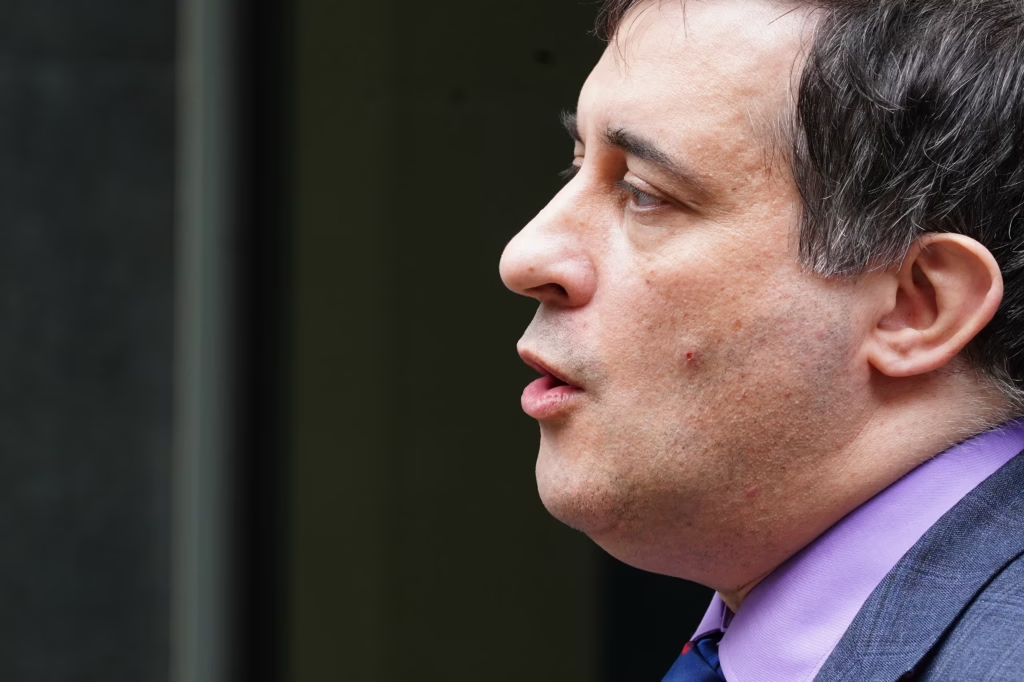
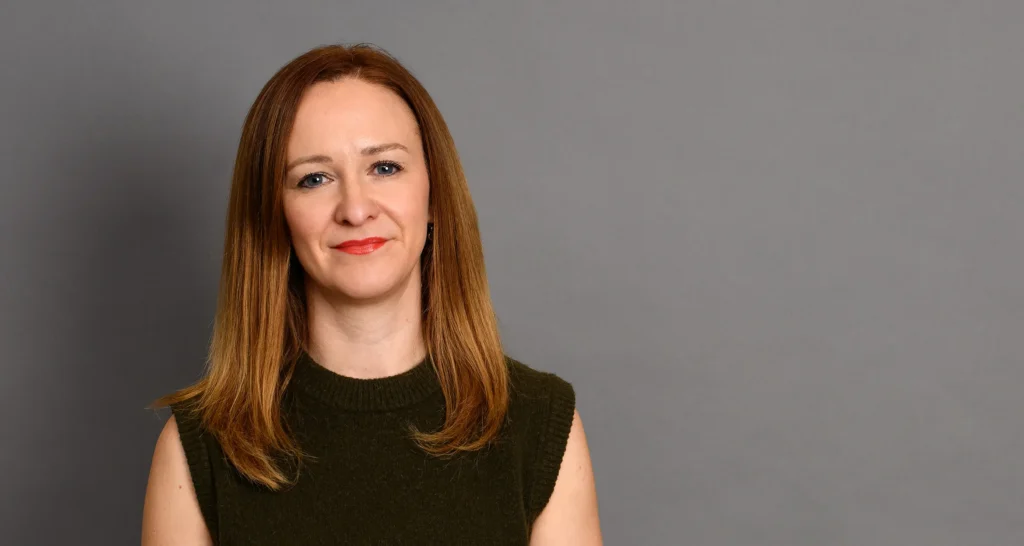
Then came the finding that should trouble the profession most. Nicklin concluded that Dr Evan Harris, (pictured, right) a former MP and Hacked Off adviser on the research team, had engineered a “limitation camouflage” scheme, planting stories on the Byline Investigates website so that Sir Simon Hughes could later claim that was when he first learnt he might have been hacked, and so slip past the six-year time limit.
The judge called the plan improper and dishonest and said it involved a deception. What is astounding is that the finding was not a defendant’s allegation, but a High Court judge finding that part of the claimants’ litigation strategy had been dishonestly staged.
The claimant camp did itself no favours either. In court, their own lawyer Mark Thomson dismissed a colleague’s email that appeared to show a plan to mislead the court as, in his word, gibberish, and privately called the researchers over-excited.
And gunnercooke’s Anjlee Sangani, who had helped take Burrows’s disowned statement and then left the case before trial.
Sangani had represented Baroness Lawrence of Clarendon, Liz Hurley, Sir Elton John and David Furnish and was “not an impressive witness”, the Judge said. Gunnercooke had ceased representing those claimants by the time the judgment was delivered. Sangani was said to have delegated the task of certification, which, said the judge, “gives rise to a material concern as to the integrity of the process for which” the lawyer was responsible.
He called the failing a serious error of professional judgment in signing it off, which is the sort of line that gets circulated round every media-litigation team in London by lunchtime.
Suspicion is not proof
Beneath the theatrics sat a plain evidential failure. The claimants asked the court to infer illegality from the fact that private information had appeared, coupled with the Mail’s inability to reconstruct every source years on.
Nicklin refused. Suspicion, however understandable, was not proof, and a lawful route through friends, aides and publicists remained open case after case. Julian Darrall, a media lawyer at Bristows who once worked inside Associated’s editorial legal team, called the result an unmitigated disaster for a claimant side that had leant on “inference, suspicion, and celebrities’ tears.”
It is the contrast with Harry’s 2023 Mirror Group win that stung most where the court had documents and admissions to work with. Against the Mail there was paid-for assertion that came apart under cross-examination.
The bill, and the blunder
The reckoning is severe for Harry and his fellow complaintants. Total costs are put at well over £50m, and from 29 July Associated will seek an indemnity order to lift the cap on what it can recover.
Colin Campbell, a former High Court costs judge, expects that to succeed given the scale of the loss, with a payment on account of perhaps £10m falling due within 14 days at 8 per cent interest. The claimants’ lawyers worked on no-win-no-fee terms, so the real exposure is the Mail’s costs, notionally covered by after-the-event insurance placed through the Guildford firm Temple Legal at around £14.1m, though the claimant side reportedly fears the insurer may resist so damning a claim. When the shortfall falls due, sources say it will be Harry and Sir Elton John who pay.
Further Misstep
Hours after losing, Harry and Lawrence branded the ruling a complete and obvious whitewash and questioned the integrity of the judge, once a member of Sherborne’s own chambers, who was about to fix their costs (although judging by the exchanges between the two, there was little love lost).
Prince Harry hit out at a “shocking” and “totally unwarranted” ruling by London’s High Court.
“It is a complete and obvious whitewash, but sadly not altogether unexpected,” Harry and Lawrence said in their ill-judged statement, creating yet another consitutional embarrassment for the Prince’s father.
A source close to the litigants called releasing that statement stupid and unnecessary.
Attacking the tribunal on the eve of a discretionary costs assessment is not, to put it gently, advocacy.
The complainants maintain that their evidence was compelling, and are understood to be weighing an appeal, though any appeal would need the court’s permission.
Ultimately, the Court’s decision was one that showed that the UK legal system’s refused to bend under public pressure or the prominence of the claimants.