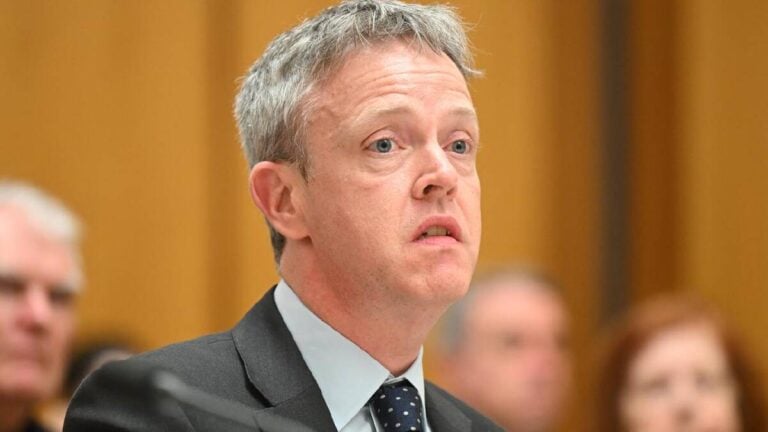
KPMG Australia’s confidential-client-information crisis has turned inward, with one of the firm’s senior in-house lawyers telling Parliament that his original examination of whistleblower allegations was undermined by misleading answers and limits imposed on his work.
Executive director and deputy counsel James McClelland told the Parliamentary Joint Committee on Corporations and Financial Services on 14 August that his investigation had been “fundamentally undermined” by the responses he received and by restrictions on its scope. He described some answers as “misleading, if not directly deceptive”.
In May, KPMG said its treatment of the whistleblower and its initial investigation into the allegations had fallen short of expectations, and that the earlier process lacked the necessary rigour.
The parliamentary inquiry has examined whether material connected with clients including Lendlease and Optus was used or accessed in connection with audit pursuits involving other organisations.
An Internal Inquiry Under Pressure
McClelland’s evidence gives the inquiry a sharper question than whether an initial internal investigation reached the wrong conclusion, but instead raises the question of whether the investigation had a fair chance of reaching the right one.
Former KPMG chief executive Andrew Yates disputed McClelland’s characterisation of the constraints telling the hearing that a principal limitation was that junior employees should not be interviewed. He nevertheless accepted that, with hindsight, KPMG’s legal team should have examined emails.
The hearing also exposed sharp differences between current and former KPMG figures. Former chief operating officer Eileen Hoggett was questioned over Lendlease documents found in her locker. She accepted responsibility for their presence but said she did not recall placing them there. Former audit partner Kim Lawry said she had not realised at the time that a screenshot of Lendlease information was confidential. KPMG deputy chair Carmel Mortell challenged aspects of evidence given by former colleagues.
Allens and Ashurst: A Mandate Matters
The inquiry has also placed the roles of Allens and Ashurst under close scrutiny. Neither firm is alleged to have caused the underlying conduct with the focus being on what each was instructed to do, the information available to it, and the practical limits of legal reviews commissioned by the organisation under investigation.
Ashurst told the committee that it was not retained to conduct a substantive investigation into the whistleblower allegations. Its work was described as discrete legal advice, including advice linked to employment and whistleblower-protection issues.
Documents released under parliamentary privilege later indicated that KPMG had provided Ashurst an incomplete account of information available from the whistleblower.
A law firm cannot independently verify material it has not been given, nor expand an advice mandate into a full forensic investigation without instructions, access and a proper evidentiary base.
Allens was later appointed to conduct a further external legal investigation. Its published Project Magenta report found the whistleblower’s allegations unsubstantiated, while identifying conduct in one matter that likely breached KPMG’s client terms and internal confidentiality policy. KPMG subsequently said new evidence and a broader scope meant Allens’ work would continue.
Clients Test KPMG’s Assurances
The damage is no longer confined to KPMG’s internal governance. At the August hearing, Macquarie, Westpac, Dexus and Optus raised concerns about KPMG’s controls and the integrity of its systems for handling confidential information.
Macquarie sought assurances that neither its own information nor confidential information belonging to another client had been misused in connection with KPMG securing its audit work. Reuters reported that KPMG’s chief executive, audit leader and chair had resigned amid the fallout, and that additional whistleblowers had approached the firm.
For clients, the central issue is not simply whether particular individuals acted improperly. It is whether KPMG’s governance, confidentiality safeguards and investigation processes can provide reliable assurance when sensitive information moves through a large professional-services partnership.
Read More –