More than 500 former rugby players have secured a reprieve in the UK High Court after their brain-injury claims were struck out over failures to provide required medical and neurological-testing material.
The case is a group-litigation management story in which failures by lawyers came close to ending hundreds of potentially landmark claims before the underlying allegations were tested.
Senior Master Jeremy David Cook has granted relief from sanctions in principle, allowing the affected claims to continue, though only subject to conditions to be settled at a further hearing, including the production of outstanding disclosure material.
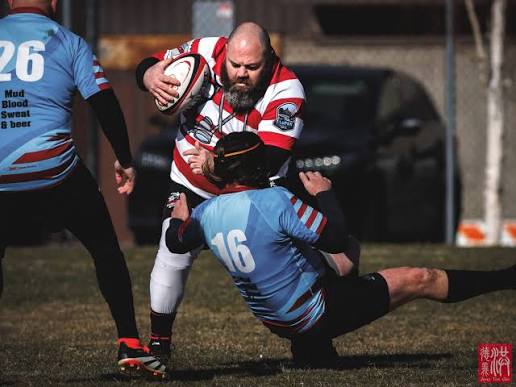
The ruling is a major procedural rescue for litigation involving almost 1,000 former rugby union and rugby league players who allege that repeated concussive and sub-concussive impacts during training and matches caused serious neurological conditions, including early-onset dementia, Parkinson’s disease, epilepsy and motor neurone disease.
The immediate ruling concerns 530 claimants with 377 from the rugby-union proceedings and 153 from the rugby-league action. Their claims had been struck out after non-compliance with unless orders requiring disclosure of material connected with neurological assessments.
The defendants include World Rugby, the Rugby Football Union, Welsh Rugby Union, Rugby Football League and British Amateur Rugby League Association. They all contest liability with World Rugby arguing that rugby injuries are an inherent risk of the sport, while the governing bodies dispute that any relevant duty of care extended to protection against the alleged long-term neurological risks.
A case-management crisis
Howver the Court’s decision was more than a determination of whether rugby’s authorities failed players on concussion and brain injury but was a judgment about whether hundreds of claimants should lose the chance to have those allegations tried because their lawyers failed to comply with disclosure obligations.
Cook was emphatic about where responsibility lay. The claimants themselves were “blameless”, he said, but he also found serious failings in the conduct of the litigation by the former claimant solicitors, Rylands Garth.
The change in representation was decisive. KP Law has taken over the claimant group, and Cook said the court could “take comfort” from the fact that Rylands Garth no longer represented the players. He added that, had Boardman remained solicitor, he could have had no confidence that future court orders would be complied with “timeously or at all.”
That is unusually strong judicial language—and it explains why this is more than another concussion-litigation procedural hearing.
Next Steps
The reprieve is not unconditional. KP Law must cure the disclosure deficiencies, and the terms of relief—including costs consequences—are to be addressed at a further hearing.
If the conditions are met, the proceedings move toward the next substantive stage, with the parties expected to identify potential lead claimants in November.