Article source: Kalikhman & Rayz, PA
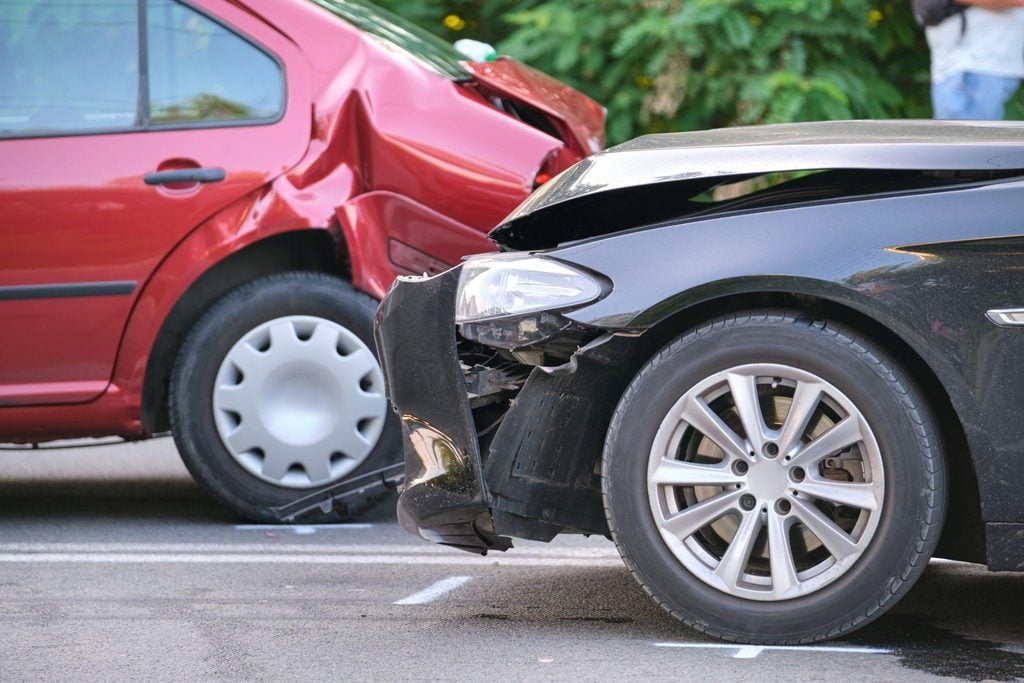
Car accidents rarely fit a clean story where only one driver made every mistake, even when the crash looks simple from the outside. Insurance companies know this, and they often argue that you share part of the blame so they can pay less for your injuries, sometimes before you have even seen a copy of the police report.
In Philadelphia, that argument can decide whether you receive full compensation, a reduced amount, or nothing at all once a claim moves toward a final number. That’s why many injured drivers speak with a Philadelphia car accident attorney before agreeing to any fault percentage, since even a small shift in that number changes the final payout by thousands of dollars.
What Shared Fault Means Under Pennsylvania Law
Pennsylvania follows a rule called modified comparative negligence, written into 42 Pa.C.S. § 7102, and it applies to nearly every car accident claim filed in the Commonwealth. Under this law, you can still recover money even if you contributed to the crash, as long as your share of fault stays at 50 percent or less. Once an insurer or a jury assigns you 51 percent or more of the blame, the law blocks any recovery, no matter how serious your injuries are.
The math works by cutting your award by your own percentage of fault before you get paid a single dollar. A driver awarded $100,000 in damages but found 20 percent at fault would collect $80,000 instead of the full amount. That single number, often decided within weeks of a crash, can shrink a payout by tens of thousands of dollars.
How Insurers Use Fault Percentages Against You
Adjusters know the 51 percent bar rule well, and they use it as a bargaining tool from the very start of a claim, often before you have hired anyone to represent you. Many claims start with a recorded statement, where an injured driver is asked open-ended questions designed to produce answers that sound like an admission of fault. Small details, like guessing at speed or describing a delayed reaction, can end up in a report and inflate your share of the blame well beyond what actually happened.
- Recorded statements – questions built to draw out fault-sounding answers
- Police report gaps – officers rarely see the crash happen firsthand
- Speed estimates – guesses used to suggest you caused the crash
- Medical record language – notes taken out of context to shift blame
Why Fault Splits Differently When Multiple Drivers Are Involved
Some Philadelphia crashes involve more than one at-fault driver, such as a chain-reaction collision on I-95 or a multi-car pileup at a busy downtown intersection. Pennsylvania’s Fair Share Act, part of 42 Pa.C.S. § 7102(a.1), changed how these multi-driver cases get paid out. A defendant found less than 60 percent responsible now generally pays only their own share of the damages, instead of covering the whole judgment on behalf of everyone else involved.
A driver found 60 percent or more at fault still faces the older rule and can be held responsible for the full award, including the share owed by a less blameworthy co-defendant. This split matters most when one driver carries plenty of insurance, and another carries very little, since it directly changes who actually pays your claim. Sorting out each driver’s share becomes one of the most contested parts of a multi-vehicle case in Philadelphia courts.
How a Lawyer Fights an Unfair Fault Assignment
A lawyer starts by pulling evidence an insurer’s first report often leaves out, since adjusters rarely dig as deep into a scene as an independent crash investigator will. Timing shapes this work too, since 42 Pa.C.S. § 5524 gives most injured drivers two years from the crash date to file a lawsuit, with limited extra time allowed for government-vehicle crashes and injured minors. Traffic camera footage, vehicle data, and independent witness accounts gathered early can shift a fault percentage back toward the other driver well before that deadline arrives.
- Traffic camera footage – independent video of how the crash happened
- Vehicle black box data – speed and braking recorded automatically
- Witness statements – accounts gathered before memories fade
- Accident reconstruction – independent analysis of how the crash unfolded
What a Fault Percentage Really Decides
A police report’s fault line is often just an opening guess, not a final verdict on what actually happened at the scene. Under Pennsylvania law, that percentage can mean the difference between a full payout, a reduced one, or no recovery at all, regardless of how serious the injuries turn out to be. Multi-car crashes add another layer, since each driver’s share of the blame also decides who actually pays once a case resolves and the paperwork is settled. The real value of any Philadelphia car accident claim sits inside that fault percentage, long before anyone reads a final settlement number on a check.