Article source: Baker Legal Team, FL
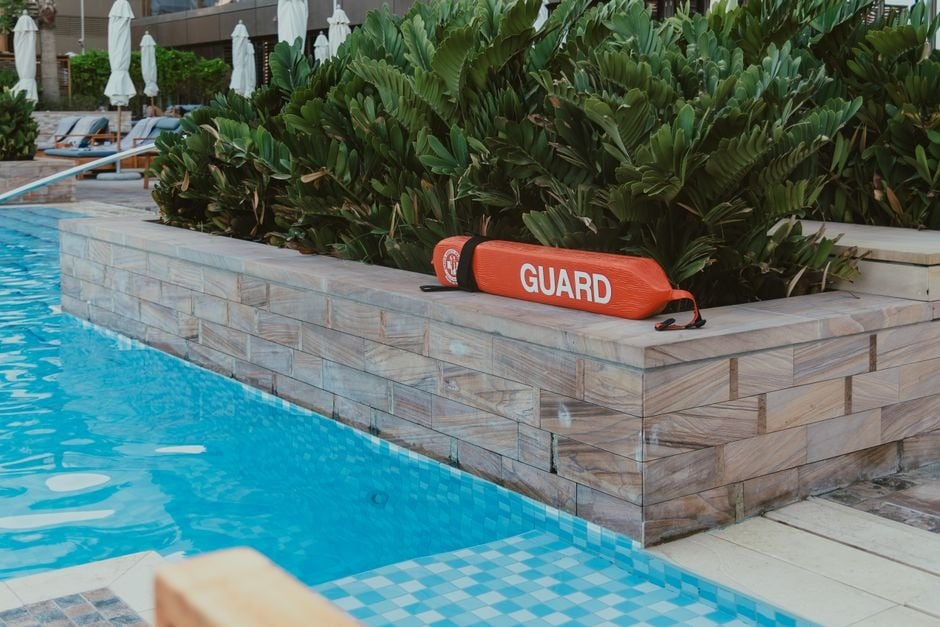
A drowning accident can turn an ordinary afternoon into a legal and emotional crisis with almost no warning. Pools, lakes, water parks, and beaches all carry risks, and those risks rise fast when supervision, maintenance, or safety rules break down. If you’re trying to understand who may be responsible after a tragedy, it helps to know how liability works, what evidence matters, and what families often face when pursuing accountability.
Where Drowning Accidents Happen and Why Liability Gets Complicated
Drowning accidents happen in more places than most people expect. Private pools, hotel resorts, apartment complexes, public beaches, boating areas, summer camps, and water parks all show up in legal disputes. Each setting comes with different safety duties, and that’s where things get messy.
A homeowner may need fencing, locked gates, and basic supervision. A hotel may need trained staff, working pool drains, warning signs, and emergency equipment. A city beach may need lifeguard coverage or hazard notices depending on local rules.
The legal question usually isn’t just whether someone drowned. It’s whether a person, business, or property operator failed to act with reasonable care. Once water is involved, facts can get slippery fast. Records disappear, witnesses disagree, and maintenance logs suddenly become very interesting.
What Families Need to Prove in a Drowning Liability Case
To pursue a successful claim, you generally need to show that someone owed a duty of care, failed to meet it, and caused harm as a result. That sounds clean on paper. Real cases are less tidy.
Evidence may include surveillance footage, incident reports, lifeguard schedules, training records, prior complaints, photographs, maintenance logs, police reports, and medical findings. Timing matters. If a pool gate stayed broken for weeks, that can be powerful. If staff skipped safety checks, that can matter even more.
In fatal cases, families may explore wrongful death claims for drowning accidents when negligence contributed to the loss. Those claims often focus on financial damages, but they also center on something deeper: establishing that the death was not simply an unavoidable tragedy. Accountability matters, especially when the same hazard could hurt someone else next week.
The Safety Failures That Often Lead to Legal Claims
Many drowning cases involve preventable problems rather than freak accidents. Missing barriers around pools are a major issue, especially when children gain access to water without an adult noticing in time. Broken latches, poor lighting, defective drains, and cloudy pool water can also play a role.
At commercial properties, understaffing can create serious danger. A lifeguard who’s distracted, untrained, or not present at all may become a central issue. At lakes or beaches, operators may face questions about hidden drop-offs, weak warnings, or known hazards that weren’t addressed.
Alcohol use can complicate things too, particularly in boating or resort cases. Add in unclear signage and weak emergency response, and you have a bad mix. In legal terms, one failure rarely acts alone. Cases often involve a stack of mistakes, not one dramatic movie-scene blunder.
Who May Be Held Responsible After a Drowning Incident
Liability depends on control, duty, and what went wrong. You may be looking at a property owner, a landlord, a resort operator, a swim school, a municipality, a boating company, or an event organizer. In some cases, more than one party shares responsibility.
For example, if a child drowns in an apartment pool, the landlord may face scrutiny for broken gates or ignored repair requests. A maintenance company could also come under review if it failed to fix a dangerous condition. If a camp outing involved poor supervision, both the camp and individual staff decisions might matter.
Manufacturers can also enter the picture. A faulty life jacket, pool drain, or safety alarm may support a product liability claim. Sorting through those layers takes more than guessing who seems most at fault. Legal responsibility usually follows evidence, contracts, inspection records, and witness accounts.
How Insurance, Property Rules, and Local Laws Affect the Outcome
Insurance often shapes the practical side of a drowning case. Homeowners insurance, commercial liability coverage, municipal protections, and boating policies may all come into play. That doesn’t mean the process becomes easy. Insurance carriers investigate aggressively and usually look for ways to limit payouts.
Local laws also matter more than people realize. Some states have strict pool barrier laws, recreational use statutes, or special rules for public entities. Deadlines can differ depending on whether the responsible party is a private business or a government body.
You may also run into comparative negligence rules. Those rules can reduce recovery if the injured person is found partly responsible. Defendants often lean hard on that argument, especially when adults ignored warnings or alcohol was involved. The legal strategy often comes down to proving that a safety failure carried the real weight.
Real-World Steps to Take After a Drowning or Near-Drowning Event
If a drowning or near-drowning happens, immediate action matters for both safety and any future legal claim. First, call emergency services and get medical help. Then preserve as much information as possible. If you can, take photos of the scene, barriers, signs, water conditions, equipment, and anything that looks unsafe.
Get names and contact details for witnesses. Ask whether surveillance cameras were present. Save clothing, flotation devices, receipts, rental agreements, or event paperwork. Don’t rely on memory alone. Water-related incidents move from chaos to confusion very quickly.
If the accident happened at a business or managed property, request a copy of the incident report. Avoid casual conversations with insurers that drift into recorded statements before you understand your position. The goal isn’t drama. It’s accuracy. In drowning cases, the small details often end up doing the heavy lifting.
Why These Cases Matter Beyond One Family’s Loss
A drowning case is never just about legal paperwork. It often exposes broader failures in supervision, training, property management, or public safety enforcement. One tragedy can reveal that a resort ignored repeat complaints, a landlord delayed basic repairs, or an operator treated safety like optional admin work.
That has wider consequences. Legal claims can pressure businesses and property owners to fix hazards, improve staffing, install barriers, and take water safety seriously. Families pursuing accountability often carry grief and frustration at the same time, especially when the loss appears preventable.
If you’re trying to make sense of liability after a drowning accident, the key question is usually simple even when the law is not: what safety duty existed, and who failed to meet it? Once you answer that with solid evidence, the path forward becomes clearer. Painful, yes. Murky, less so.