Article source: Law Office of Gray Bruce
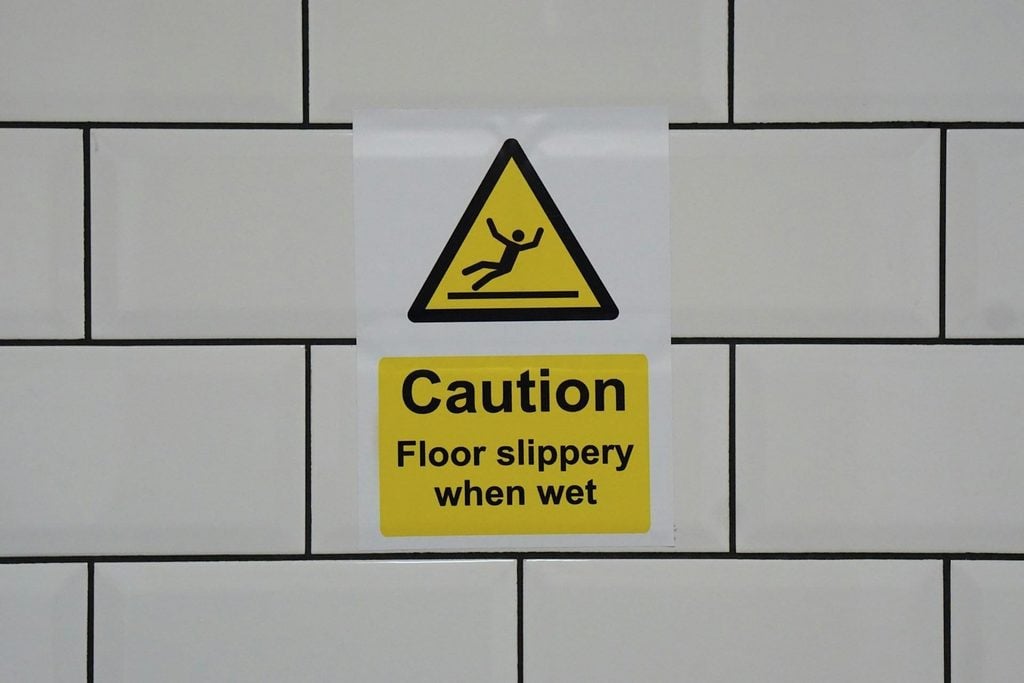
A hard fall on a slick floor or broken step turns your daily routine into a mess of doctor visits and missed paychecks. Property owners in Alabama have a legal duty to keep their stores, restaurants, and parking lots reasonably safe for customers. Recovering money for your injuries requires proving specific legal elements under state premises liability law. Talking with a Phenix City slip and fall personal injury attorney helps you gather the right proof before store owners clear away the evidence.
The Property Owner Owed You a Legal Duty of Care
Your legal status on the property determines how much care the owner owes you. Alabama law breaks visitors down into three groups: invitees, licensees, and trespassers.
- Business Invitees – Customers shopping at a grocery store on Highway 280 get the highest level of protection under state law. Owners must actively inspect the premises and fix dangerous spots.
- Licensees – Social guests visiting a friend’s apartment complex are owed warnings about hidden hazards that the owner knows about.
- Trespassers – Property managers cannot intentionally set traps, but they generally owe no duty to uninvited visitors.
If you slip on a puddle inside a retail store during normal business hours, you count as an invitee. That status means the business had a clear legal obligation to keep walking paths safe for you.
A Dangerous Condition Existed on the Property
You cannot collect money just because you fell and got hurt. You must show that a specific hazard made the floor or walkway unsafe for normal use.
- Spills and Leaks – Puddles from melting ice machines, leaking refrigeration units, or broken glass bottles on store aisles cause frequent falls.
- Structural Hazards – Broken concrete sidewalk slabs, torn entryway mats, and missing stair handrails present physical trip hazards.
- Poor Lighting – Dimly lit parking lots near Broad Street conceal potholes and curb drop-offs from evening shoppers.
Taking photos of the wet tile or cracked step right after you fall creates clear visual proof. Without photos or witness statements, store owners often claim the floor was completely dry and safe.
The Business Owner Had Notice of the Hazard
Proving a hazard existed is only half the battle in an Alabama premises liability claim. You must also prove the property manager actually knew about the mess or should have discovered it through routine floor checks.
- Actual Notice – An employee saw the spilled soda or created the hazard themselves by mopping without putting out a caution sign.
- Constructive Notice – The hazard sat on the floor long enough that a reasonable manager would have spotted and cleaned it up.
Store security cameras often reveal how long a spill sat on the floor before someone slipped. A Phenix City slip and fall personal injury lawyer can send a spoliation letter to force the business to save that video footage before it gets recorded over.
The Dangerous Spot Caused Your Actual Injuries
You must establish a direct link between the property owner’s oversight and your medical conditions. Scraped knees are not enough to bring a formal legal claim, but severe trauma requires financial recovery.
- Emergency Care – Ambulance rides to Jack Hughston Memorial Hospital and emergency room doctor bills create an official paper trail.
- Long-Term Treatment – Diagnostic MRI scans, physical therapy schedules, and prescription pain medication logs document your healing progress.
Doctor records prove that the hard impact on the floor caused your torn knee ligament or herniated spinal disc. Connecting your physical pain directly to the fall stops insurance adjusters from blaming your pain on old age or previous health issues.
Missing Your Filing Deadline Kills Your Case
Time runs out quickly after a bad spill. Under Ala. Code § 6-2-38, Alabama sets a strict two-year statute of limitations for personal injury lawsuits. If you fail to file your lawsuit before that two-year mark hits, a court will dismiss your case without looking at your evidence.
Border locations can complicate legal deadlines if you travel nearby. If you were injured in a vehicle crash further south across state lines, Fla. Stat. § 95.11(3)(a) dictates a two-year deadline for Florida car accident lawsuits.
Holding Property Owners Accountable for Your Injury
Slips and falls cause serious physical damage that can derail your ability to work and pay bills. Store owners and their insurance companies will fight hard to avoid paying for your medical expenses and lost wages. Proving notice, property negligence, and your injury details gives you the leverage needed to secure a fair payout. Getting facts about your legal rights gives you the best chance to rebuild your life.