Article source: Callahan & Blaine Litigation Firm
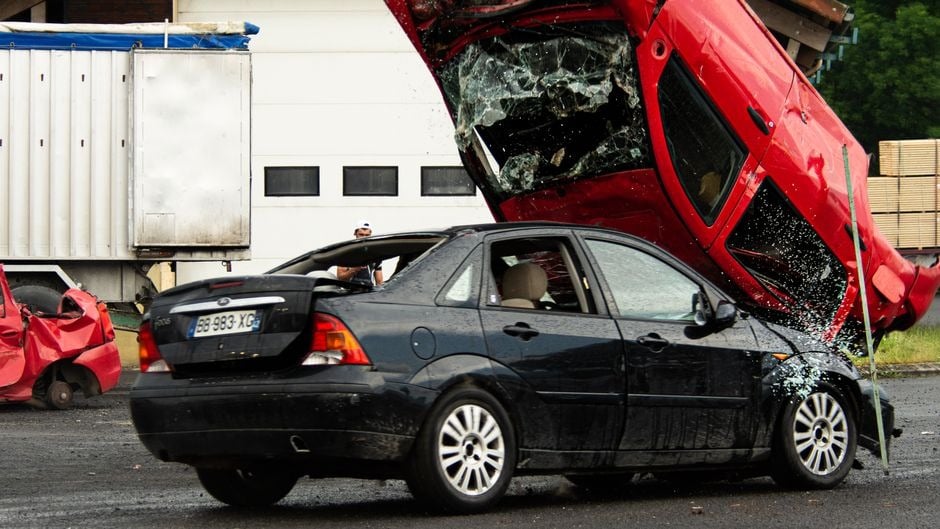
For drivers in Irvine, CA, the first few minutes after a collision can feel disconnected from everything that comes later. The immediate concerns are usually simple: Is everyone safe? Can the cars be moved? Does someone need medical attention? Yet the photographs taken, information exchanged, symptoms reported, and conversations that follow can eventually become important to an insurance claim or legal dispute. A car accident case is rarely built from one dramatic piece of evidence. More often, it develops from a collection of ordinary details that help establish what happened, who was responsible, and what the collision ultimately cost.
Recognize When an Accident Becomes a Legal Problem
A minor collision involving only limited vehicle damage may be resolved relatively straightforwardly through insurance. The situation changes when someone suffers significant injuries, drivers disagree about fault, multiple vehicles are involved, or an insurer disputes the extent of the losses.
Those complications can raise questions about liability, insurance coverage, medical evidence, and compensation. When those issues become difficult to navigate independently, consulting an Irvine car accident lawyer can help an injured person understand the applicable legal process, evaluate evidence, communicate with insurers, and determine what options may be available.
Legal involvement does not change the underlying facts of the crash. Its purpose is to organize and evaluate those facts within the rules governing an injury claim.
That is why evidence gathered from the beginning can become so important later.
Treat the Accident Scene as a Temporary Source of Evidence
A crash scene changes quickly. Vehicles are moved, debris disappears, witnesses leave, and traffic returns to normal.
If it is safe to do so, photographs can preserve information that might otherwise disappear. Images of vehicle positions, damage, road markings, traffic signals, debris, weather conditions, and the surrounding area may help establish how the collision occurred.
Witness information can be equally useful. An independent person who saw a driver enter an intersection, change lanes, or ignore a traffic signal may provide evidence that does not depend entirely on competing accounts from the drivers.
Drivers should also exchange required identifying and insurance information and report the collision as appropriate.
The objective is not to conduct a roadside investigation personally. Safety and medical needs come first. It is simply to preserve information that could become difficult or impossible to recover afterward.
Let Medical Records Tell the Story of the Injury
After a collision, some injuries are obvious immediately. Others may become more noticeable after the initial shock and adrenaline have faded.
Seeking appropriate medical care serves the most important purpose first: protecting health. It can also create documentation showing what symptoms were reported, what examinations occurred, what treatment was recommended, and how the condition progressed.
That record may become important if an insurer later questions whether an injury resulted from the crash.
Follow-up care matters too. If a healthcare professional recommends additional appointments, therapy, diagnostic testing, or restrictions, unexplained gaps can make the medical history harder to understand.
This does not mean someone should pursue unnecessary treatment for the sake of a claim. Medical decisions should be based on actual healthcare needs.
Accurate documentation simply creates a clearer connection between the collision and its physical consequences.
Be Careful When an Insurance Conversation Feels Routine
Insurance adjusters handle accident claims every day. Most drivers do not.
That imbalance in familiarity can matter when conversations move beyond basic reporting. Questions about speed, injuries, previous medical conditions, or exactly how the collision occurred may eventually influence how an insurer evaluates responsibility and damages.
Drivers should provide required and accurate information without guessing about facts they do not know.
It is particularly difficult to describe the full extent of an injury immediately after a crash. Symptoms may develop, diagnoses can change, and treatment needs may not yet be clear.
Written communication deserves similar care. Messages, forms, recorded statements, and settlement documents can have consequences beyond the immediate conversation.
Before accepting a settlement involving meaningful injuries or disputed liability, understand exactly what is being resolved and whether the agreement affects the ability to seek additional compensation later.
Understand Why Shared Fault Still Matters
Accidents are not always entirely one driver’s fault.
One motorist might make an unsafe turn while another is traveling too quickly for conditions. Two drivers could make separate mistakes that contribute to the same collision. When that happens, determining responsibility becomes more complicated than simply identifying one person as the cause.
California uses comparative fault principles, meaning responsibility can be allocated among the people involved. The percentage attributed to an injured person can affect the compensation ultimately recoverable.
That makes evidence especially important when accounts conflict.
Photographs, witness statements, vehicle damage, video footage, traffic records, and other information may help reconstruct what occurred. In particularly complex cases, specialists may also analyze physical evidence to understand the sequence of events.
Fault should therefore be based on the available evidence rather than assumptions made during the confusion immediately following a crash.
Calculate Losses Beyond the Repair Bill
Vehicle damage is usually easy to see. The financial consequences of an injury can be much broader.
Medical expenses may include emergency treatment, physician visits, diagnostic testing, rehabilitation, medication, and other necessary care. An injured person may also miss work or become temporarily unable to perform the same duties.
Serious injuries can create longer-term consequences affecting future earning ability, daily activities, or the need for ongoing treatment.
Documenting these losses matters. Keep medical bills, receipts, employment records, repair estimates, and other relevant paperwork organized rather than attempting to recreate the financial history months later.
Not every consequence is purely financial. Depending on the circumstances and applicable law, an injury claim may involve other forms of harm as well.
The purpose of calculating damages is to understand the full effect of the collision rather than focusing only on the most visible expense.
Do Not Assume You Have Unlimited Time
Car accident disputes can take months to develop, which can create the impression that there is plenty of time to consider legal action.
California imposes deadlines.
Personal-injury lawsuits generally must be filed within two years of the injury, while claims involving property damage generally have a three-year deadline. Different rules and exceptions can apply, and claims involving government entities can carry substantially shorter procedural deadlines.
Waiting also creates practical problems even when a filing deadline remains far away.
Witnesses become harder to locate. Video footage may be deleted. Vehicles are repaired. Documents disappear, and memories become less precise.
Preserving evidence and understanding the applicable deadline early does not mean a lawsuit must immediately follow. It simply prevents unnecessary delay from removing options that might otherwise have remained available.
Build the Claim From Records, Not Memory
The weeks after a crash can become surprisingly complicated. There may be medical appointments, repair shops, insurance calls, missed work, rental vehicles, prescriptions, and repeated paperwork.
Create one place for everything.
Keep photographs, the collision report, insurance correspondence, medical records, bills, receipts, employment documentation, repair information, and notes about important conversations together. A simple chronological record can also help track appointments, symptoms, expenses, and major developments.
Organization becomes increasingly valuable as time passes because an injury claim is ultimately an attempt to reconstruct what the collision changed.
The strongest record is not necessarily the largest one. It is the one that consistently documents the accident, resulting injuries, treatment, financial losses, and communication surrounding the claim.
For Irvine drivers, that is the broader legal lesson after a serious collision. The moments immediately after the impact matter, but so do the quieter decisions that follow. Seeking appropriate care, preserving evidence, communicating carefully, tracking losses, and understanding legal deadlines can make an already difficult situation considerably easier to evaluate if an insurance disagreement or legal claim eventually develops.