
Article source: Philbrook Law
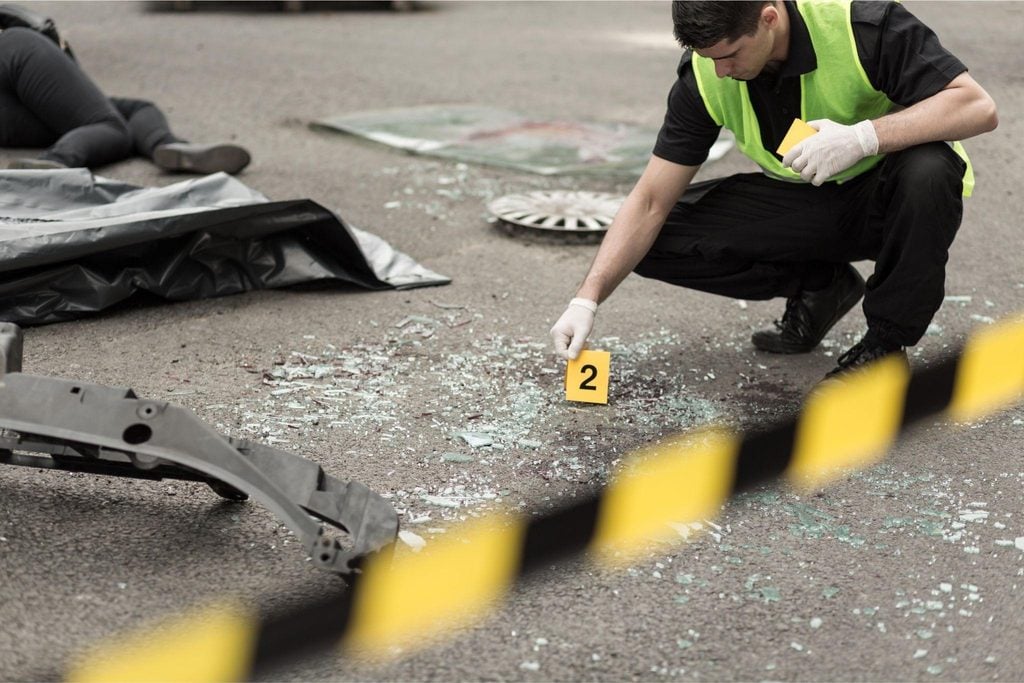
A serious crash pulls your focus toward doctors, bills, and pain. Meanwhile, the proof of what happened keeps changing. Rain washes the road, store cameras record over old footage, and repair shops fix damaged cars. The loss usually becomes clear when an insurance adjuster or a Battle Ground personal injury lawyer at Philbrook Law asks for the footage, and nobody can find it.
What Disappears First at the Crash Scene
The scene starts changing within hours. Skid marks fade under rain and tires, glass and debris get swept away, and tow crews move the cars so lanes can reopen. On busy roads such as State Route 502 near Battle Ground, that cleanup can finish before you leave the emergency room.
Police may take photos and measurements, but a report covers only what the officer chose to record. Crashes involving commercial trucks add a second clock, because key trucking data can disappear within days or weeks. If a friend or relative can safely visit the spot, photos of the road, signs, sight lines, and nearby cameras help fill the gaps you cannot cover from a hospital bed, and even a few pictures from that same week show how the road looked before the next storm.
Video and Vehicle Data Can Vanish in Days
Store cameras, doorbell cameras, and dash cams often record over old footage on a loop, so a clip from the night of the crash may be gone within days. Your car holds evidence too, because its event data recorder can be overwritten after a lighter impact or erased during repairs. In Washington, RCW 46.35.030 keeps that data off-limits to everyone except the owner, with narrow exceptions such as a court order, discovery, or the owner’s consent.
- Store cameras – often overwrite old footage within days
- Doorbell clips – cloud storage may delete them on a schedule
- Dash cams – memory cards loop and replace older video
- Vehicle data – repairs, salvage, or a sale can erase it
Public Records Follow Their Own Clocks
Government agencies keep some records only for a set time. Washington’s state schedule lets 911 centers destroy master call recordings 90 days after the dispatch action ends, and police body camera video with no flagged incident can be destroyed after 60 days under RCW 42.56.240. Those are minimums so that an agency may keep records longer, but it has no duty to do so once the period ends.
Trucking companies face a similar limit, and the six-month figure surprises many people. Under 49 CFR 395.8(k)(1), a federally regulated motor carrier must keep driver logs and supporting documents for six months, and nothing in that rule makes it keep them longer. A written request sent early can ask the company or agency to hold records past those minimums, before a routine schedule wipes them.
Your Injuries and Memories Fade Too
Bruises, swelling, and cuts heal, and once they do, nothing shows how bad they looked. Witnesses return to daily life, and details like a car’s color, speed, or direction blur as weeks pass, while some witnesses change phone numbers or move and become hard to find. Your own memory can slip as well, especially after a head injury or while you take strong pain medicine.
- Injury photos – take new ones every few days
- Symptom notes – log pain, sleep trouble, and missed work
- Witness details – save names, phone numbers, and emails
- Medical papers – keep every bill, report, and discharge form
What Washington Law Says About Lost Evidence
Washington has no blanket rule that makes everyone keep evidence after a crash. Courts can still penalize a party that destroys proof it knew mattered, and judges weigh how important the missing item was and how much fault the other side holds. That duty can run both ways, so you should not scrap your own car or wipe your own phone once you plan to bring a claim.
Under RCW 4.16.080(2), most Washington injury lawsuits must start within three years, and RCW 4.16.190 pauses that clock for minors and for people who cannot understand legal proceedings because of a disability. A long deadline can feel like plenty of time, but the video, data, and logs described above may be gone within months.
Who Can Protect Evidence While You Heal
Losing evidence rarely comes from carelessness. It comes from the fact that a serious injury takes up all of your attention during the weeks when proof is easiest to lose. A trusted family member can act as your point person by keeping one folder, writing down every call, and saving every photo and message. If you suspect a camera, a vehicle, or a company holds something that matters, talk with a Washington injury attorney soon so someone can send a written preservation request before those clocks run out.
