
Article source: Filkow Law, BC
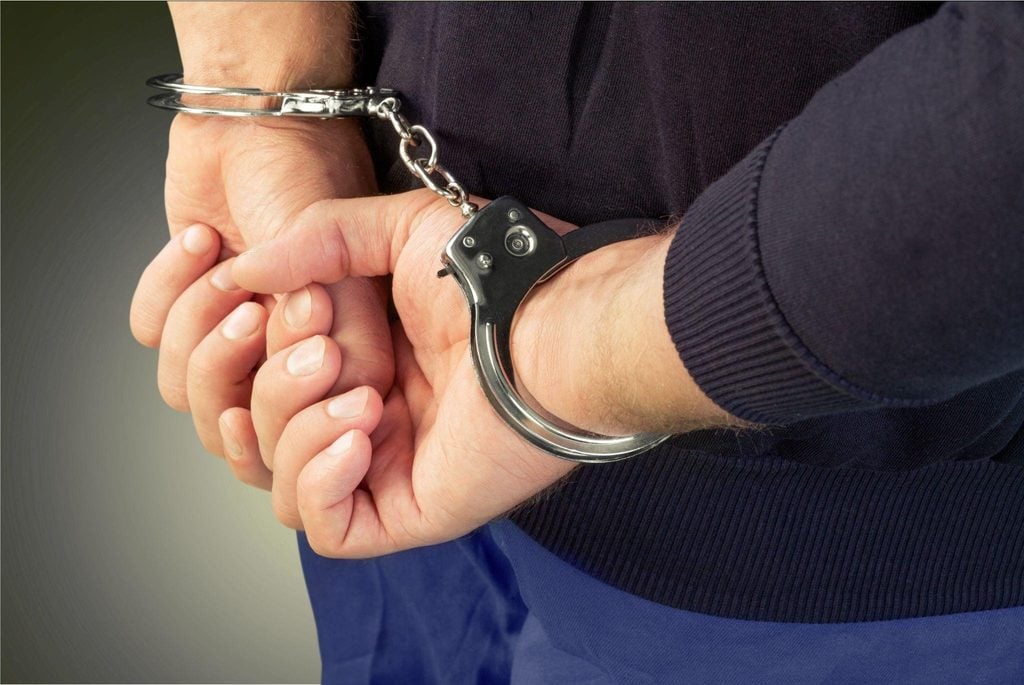
A criminal charge or a serious driving offence can bring fines, a driving ban, jail time, or a record that follows you for years. Most people learn how the system works only after police contact them, and by then several deadlines may already be running. Knowing the basics early helps you ask better questions and make steadier choices. Many people read up first and then speak with a criminal defence lawyer, whether that is someone at Filkow Law or another firm in British Columbia.
How Criminal Charges Work in British Columbia
The Criminal Code is federal law, so the same rules apply in Vancouver, Kelowna, and every other community in the province. It sorts offences into three groups: summary conviction, indictable, and hybrid. On a hybrid offence, such as impaired driving, the Crown decides which route to take, and that choice sets the maximum penalty.
Unless a law says otherwise, a summary conviction carries a fine of up to $5,000, up to two years less a day in jail, or both, under section 787(1) of the Criminal Code. Indictable offences carry higher maximums, which the Code sets for each offence, so two charges can lead to very different outcomes. Once you know which route the Crown chose, you can judge how serious the penalty could be and what to ask a lawyer first.
Your Rights When Police Stop or Arrest You
The Canadian Charter of Rights and Freedoms protects you from the moment police detain you. Section 9 bars arbitrary detention, and section 10(b) gives you the right to speak with a lawyer without delay. Police must tell you about that right when they arrest or detain you, and you can use it before you answer questions.
- Right to counsel – you can call a lawyer as soon as police detain you
- Right to silence – you can decline most police questions about what happened
- Reason for arrest – police must explain why they are holding you
- Excluded evidence – a judge may exclude proof gathered through a serious breach
Impaired and Dangerous Driving Under the Criminal Code
The most serious driving offences sit in the Criminal Code. Section 320.14 covers impaired driving and having a blood alcohol level of 80 milligrams or more within two hours of driving. Dangerous driving, which means driving in a way that endangers the public, and refusing a police demand for a breath or blood sample are separate offences.
A first impaired driving conviction carries a minimum fine of $1,000, and a first refusal carries a minimum fine of $2,000, under section 320.19. The court must also order a driving prohibition of one to three years for a first offence under section 320.24(2). A judge can lift these minimums in limited cases, such as when the person finishes an approved treatment program.
How Roadside Driving Prohibitions Work in BC
British Columbia adds its own penalties on top of the Criminal Code. Under section 215.41 of the Motor Vehicle Act, police can issue an immediate roadside prohibition after a roadside breath test or a refusal. These prohibitions last 3, 7, 30, or 90 days, depending on the circumstances, and they start right away.
- Review deadline – apply within seven days under section 215.48
- Monetary penalty – a 90-day prohibition adds a $500 penalty under the provincial regulation
- No automatic pause – asking for a review does not stop the prohibition
- Vehicle impoundment – police may also impound your vehicle for a set period
- Separate process – the court case runs apart from the roadside penalty
Why Court Delays Matter to Your Case
After a charge, your case moves through the courts on a schedule that can take months. Section 11(b) of the Charter gives every person charged with an offence the right to be tried within a reasonable time. In the Jordan decision, the Supreme Court of Canada set a presumptive ceiling of 18 months for provincial court cases and 30 months for superior court cases.
Once a case passes the ceiling, the law presumes the delay is unreasonable, and the Crown must show exceptional circumstances. A judge can stay the charge if the delay breached the right. Delay that the defence causes, such as requests to move a trial date, usually does not count toward the ceiling.
Questions to Settle Before Your First Court Date
Most cases turn on a few plain facts: the exact charge, the court that hears it, and the date of your next step. Write those down, and keep every paper that police, the court, or the Superintendent of Motor Vehicles gives you. Some deadlines are short, so a missed date can cost you a right you would have had. A lawyer licensed in British Columbia can read your paperwork and explain your options in plain language before you decide how to answer the charge.
