London Law Boss ‘Spitting Feathers’ Over Partners’ Sexual Harassment Pattern

Kennedys story

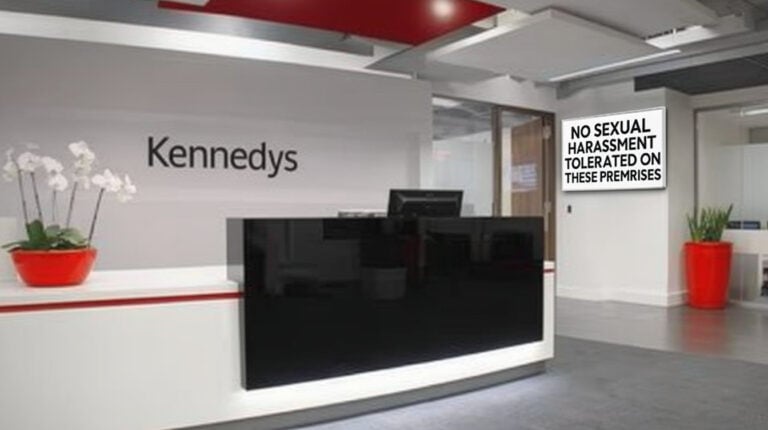
The boss of one of the London’s elite insurance law firms has taken the extraordinary step of personally overseeing misconduct complaints after rising allegations of bullying and sexual harassment among senior partners, shining a fresh, unflattering light on law firms’ ongoing struggle to clean up their cultures.

Johnbruce lawfuel

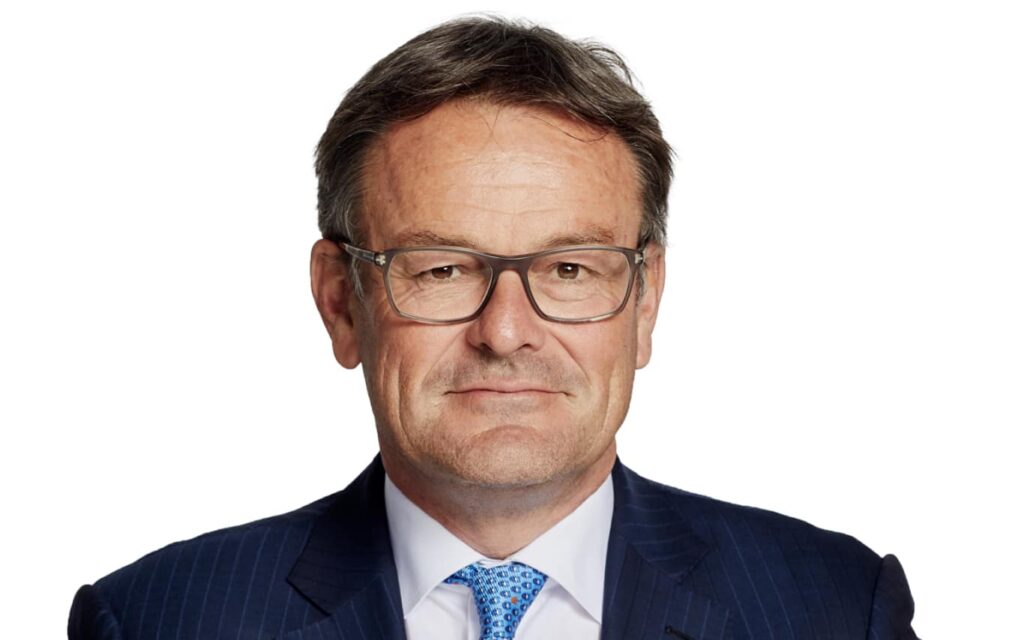
In a video call with lawyers across Kennedys’ global offices, senior partner John Bruce delivered a blunt message: the firm had experienced a growing number of concerns, “informal and formal”, involving allegations of both bullying and sexual harassment at senior levels, and he was personally taking charge.

The intervention at Kennedys, one of the UK’s top insurance law practices and ranked among the country’s 25 highest-earning firms, marks a striking moment of transparency in an industry that has historically been slow to confront its cultural problems.

With a partnership estimated at around 350 strong across 46 offices worldwide, the firm reported record annual revenue of £428 million last year, reflecting 13 per cent growth making the reputational stakes all the higher.

According to legal website RollOnFriday, which viewed a transcript of the meeting, Bruce told the global senior partners there had been a “pattern” of unacceptable conduct, and that he needed to speak to them directly “about behavioural standards and conduct across our partnership and senior levels of the firm.”

An insider described him as “spitting feathers” saying the rise in complaints had now prompted Bruce to personally oversee the firm’s complaints process.

In a statement to The Times, Bruce said Kennedys was “focused on maintaining a respectful and high-performing culture across the firm, with clear expectations around behaviour and accountability, including from partners.” He added that, like most large organisations, “issues occasionally arise” and that he was “personally committed to addressing them head on.”

Wrestling with its Demons

The Kennedys situation is the latest chapter in a story that has been making uncomfortable reading for City law firms for the better part of a decade. Despite the cultural upheaval of the #MeToo era, high-profile misconduct cases continue to surface with troubling regularity.

Garysenior lawfuel
Image: TheTimes

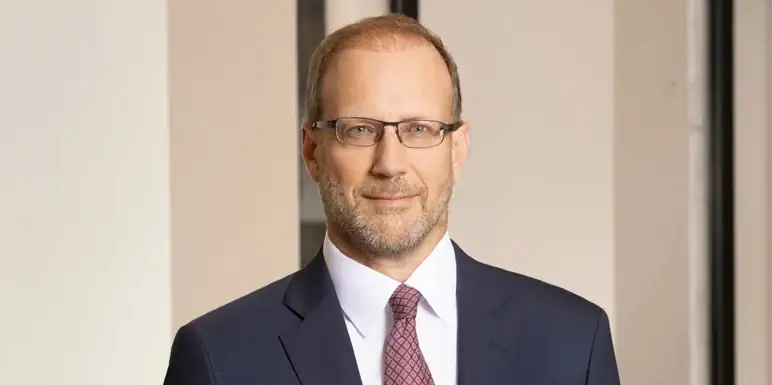
The most prominent recent UK example came in 2020, when the Solicitors Disciplinary Tribunal fined Gary Senior, then head of Baker McKenzie, £55,000 after he made a drunken attempt to kiss a junior colleague.

Image

That same year, Freshfields partner Ryan Beckwith successfully overturned a £35,000 fine at the High Court, which ruled that regulators had wrongly prosecuted him over what amounted to consensual sexual activity with a colleague — a decision that sent shockwaves through the regulatory framework and prompted the Solicitors Regulation Authority (SRA) to rethink its approach.

Across the Atlantic, the picture has been no less turbulent. In late 2025, a lawsuit against DLA Piper alleged claims of hostile work environment, quid pro quo sexual harassment, and retaliation arising from the conduct of a partner at the firm – another reminder that BigLaw’s cultural problems are far from confined to London.

The Regulatory Vice Tightens

What has changed significantly in recent years is the regulatory environment — and firms that fail to act proactively now face real consequences.

The Worker Protection (Amendment of Equality Act 2010) Act 2023 created a new mandatory duty on employers to take reasonable steps to prevent the sexual harassment of their employees in the course of their employment.

The duty came into force on 26 October 2024 and is intended to transform workplace cultures by requiring employers to take positive, proactive steps to prevent sexual harassment before it happens.

For law firms specifically, the SRA’s conduct rules require solicitors to treat “colleagues fairly and with respect” and place a positive obligation on managers, including partners, to “challenge” behaviour that does not meet that standard.

Engaging in misconduct of a sexual nature, bullying and harassment is likely to amount to a breach of the requirement to act with integrity.

The SRA expects firms to foster a culture of zero tolerance of sexual misconduct, where staff feel they can speak up freely and report matters. It requires that any allegations of sexual harassment are investigated promptly, sensitively and appropriately.

Notably, the SRA has reiterated its position that non-disclosure agreements cannot be used to prevent an employee from reporting misconduct or making a protected disclosure under whistleblowing legislation. VinciWorks

The enforcement scene om tje UK is also hardening. Employment tribunals can now increase compensation awards by up to 25 per cent where an employer has failed to take reasonable steps to prevent harassment, and the Equality and Human Rights Commission can enforce the duty directly — even before an incident has occurred.

Demand for guidance and redress is surging too. Between January and June 2025, Acas received almost 5,600 calls about workplace harassment, which is a 39 per cent increase on the same period the year before.

What’s coming next

The pressure on firms is only set to intensify. From October 2026, the current statutory duty for employers to take reasonable steps to prevent sexual harassment will be changed to a duty to take “all reasonable steps” — increasing the burden on employers significantly. From the same date, employers will also become liable for harassment of their employees by third parties such as customers and clients, where the employer has not taken all reasonable steps to prevent it.

From April 2026, whistleblowing legislation will explicitly include sexual harassment as a “relevant failure,” meaning workers who report harassment will no longer need to show their disclosure falls under another head of wrongdoing in order to qualify for whistleblowing protection.

In short, the days of treating misconduct as a matter to be managed quietly — or papered over with a confidentiality clause — are coming to a definitive end.

The Kennedys Moment

John Bruce’s decision to step in personally is, depending on one’s perspective, either a sign of genuine leadership or an acknowledgement that normal compliance structures had failed to arrest the problem.

Either way, it is notable. Senior partners at major firms rarely put themselves on record this directly — and the fact that Bruce felt it necessary to address the issue personally, across all global offices simultaneously, speaks to the seriousness of what had been escalating.

Whether the intervention proves sufficient or whether it marks the beginning of a longer, more painful reckoning, remains to be seen. What is clear is that Kennedys is far from alone in confronting these issues. As the SRA’s sexual misconduct guidance makes plain, and as the Employment Rights Act 2025 will soon reinforce, the legal profession is being held to an ever-higher standard.

The partners who bill the most have long been treated as untouchable. But that perception appears to be changing – at very, long last.


Scroll to Top