Hollywood has made some expensive blockbusters, but few have assembled a legal cast quite like Paramount Skydance’s $110 billion takeover of Warner Bros. Discovery. The deal closed on 6 October after approvals in nearly 70 jurisdictions and one very public fight in federal court.
The combined company now trades as Skydance. It may take Burbank a while to start calling it that.
The Deal Lawyers
The deal lawyers were split by side. Cravath, Swaine & Moore and Latham & Watkins acted for Paramount, and Latham also represented the Ellison-led investor consortium funding the deal.
Discovery used Wachtell, Lipton, Rosen & Katz and Debevoise & Plimpton, which had been on the WBD side of the Netflix deal that Paramount’s topping bid displaced.
Then came the regulatory obstacle course that the deal needed to navigate, or litigate.
Covington & Burling was WBD’s lead global regulatory counsel and helped get nearly 70 competition and foreign investment clearances, including from the US Department of Justice, the European Commission, the UK, China, Canada and Brazil.
Fried Frank also acted as antitrust counsel to WBD. Covington was on the team defending WBD when the deal ended up in court.
The lawyers who tried to stop it
Twelve states, led by California, sued in July to block the merger. Milbank represented California and ran the litigation, from drafting the complaint to arguing for a temporary restraining order.
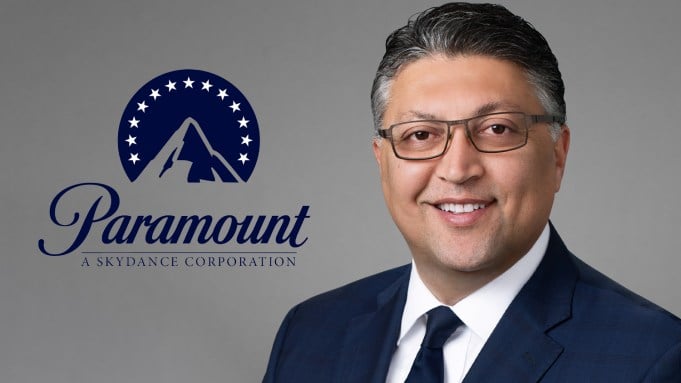
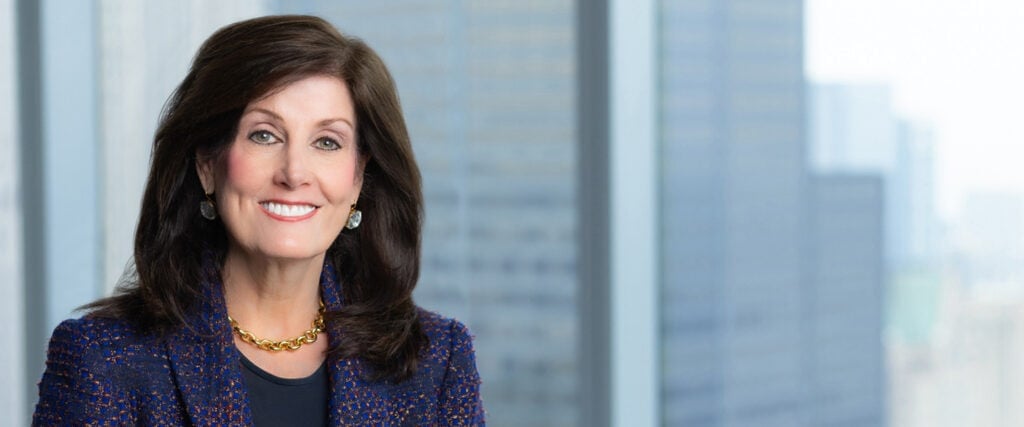
Paramount’s chief legal officer is Makan Delrahim, (above) hired from Latham & Watkins after working with Lathams on the $8 billion Skydance Paramount deal in the three years prior to the mega-merger and who according to a Bloomberg Law report earned $63.6 million during his first three months on the job. He was a key inside lawyer on the deal having substantial credentials for the Paramount role having also previously run the DOJ Antitrust Division during Trump’s first term.
On 20 July, Judge Araceli Martínez-Olguín granted the TRO. Milbank says it was the largest merger ever enjoined in a US court. It was granted even though the DOJ and every other reviewing authority had already cleared the deal without conditions.
The court then extended the order. It also set a spring 2027 trial date, rejecting the companies’ push for this autumn.
With a year-long delay suddenly on the table, the merging parties settled. On 30 September the court entered a consent decree binding Paramount to enforceable commitments in every market the states had challenged. The deal closed six days later.
And what a deal. A major ecosystem of financing, regulatory hurdles and legal navigation.
With $47 billion of new equity financing and more than $50 billion in debt financing, the transaction created opportunities well beyond the headline M&A work that occupied so much media.
The Firms
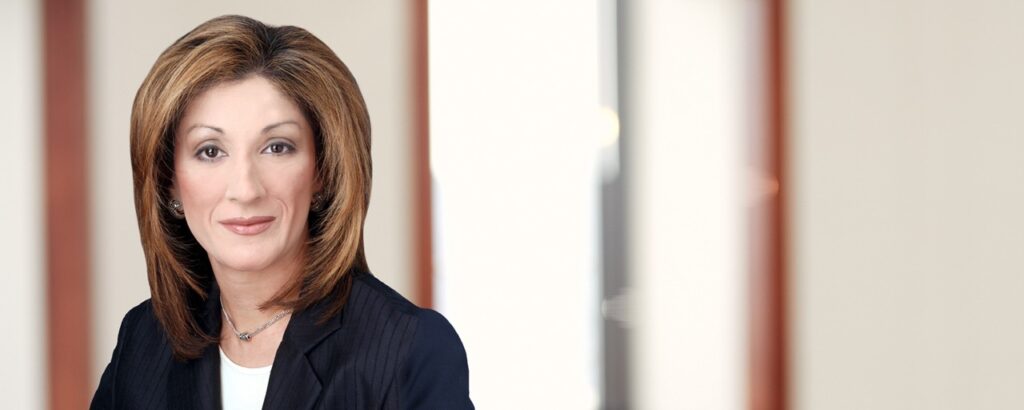
Cravath. Presiding partner Faiza Saeed (above) led a team that had already advised Paramount’s special committee on the 2025 Skydance merger. Cravath helped sell Paramount to the Ellisons, then helped the Ellisons buy Warner Bros. That kind of continuity is worth more than any league table ranking.

Covington.Its role grew out of a long WBD relationship that includes Discovery’s acquisitions of Scripps Networks and WarnerMedia. Its leadership team included Derek Ludwin, (left) Ross Demain, Johan Ysewyn and Melissa Van Schoorisse, supported by more than 50 lawyers and advisers. On deals of this size, regulatory clearance is no longer a support function attached to the M&A team. It is now a major piece of work in its own right, and firms are pricing it that way.
Milbank. This is the part dealmakers should be well aware of. While most of the firms were working to complete the transaction, Milbank was representing California in litigation designed to stop it.
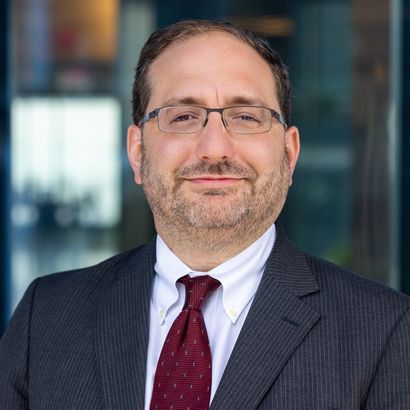
Milbank’s James Weingarten (right) argued for a temporary restraining order. The states obtained that order despite the merger having cleared federal and other regulatory reviews.
A coalition of state attorneys general, backed by a BigLaw litigation team, took a deal Washington had waved through and still won a negotiated outcome.
It’s more than reasonable to expect more state AGs to retain private firms for merger challenges, and to also expect merger agreements to start treating state enforcement as a real closing risk rather than a footnote.
Ultimately, Hollywood got its merger and California got its consent decree. While a number of America’s biggest law firms obtained some crowded and well paid credits.