Article source: The Callahan Law Firm, TX
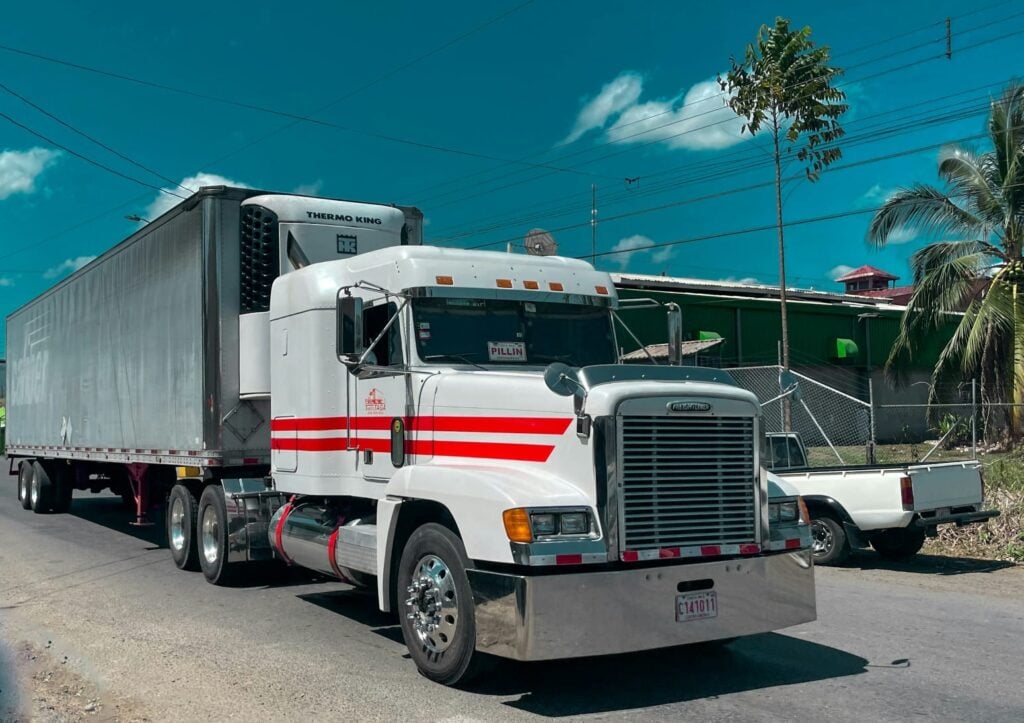
A collision involving a commercial truck is rarely a routine traffic accident. The size, weight, and stopping distance of tractor-trailers create risks that often leave victims facing catastrophic injuries, overwhelming medical expenses, lost income, and months or even years of recovery. Unlike ordinary car accident claims, trucking cases frequently involve multiple companies, federal safety regulations, electronic driving records, and extensive insurance investigations. The first few weeks after a truck collision often shape the outcome of a future claim. Evidence can disappear quickly, witnesses become difficult to locate, and trucking companies usually begin investigating immediately. Understanding how these cases work helps injured victims make informed decisions while protecting their legal rights.
Why Commercial Truck Accidents Are Different From Ordinary Vehicle Collisions
A passenger vehicle accident usually involves two drivers and their insurance companies. A commercial trucking collision is much more complex because responsibility may extend beyond the driver. The trucking company may have failed to supervise its drivers properly, ignored maintenance requirements, or encouraged unrealistic delivery schedules. A cargo-loading company could have improperly secured freight, creating dangerous weight shifts during transportation. In some situations, defective truck components such as brakes, tires, or steering systems contribute to devastating crashes.
Federal regulations established by the Federal Motor Carrier Safety Administration (FMCSA) require trucking companies to follow strict operational standards. Violations of these regulations often become important evidence during an injury claim because they demonstrate failures in driver training, maintenance, inspections, or hours-of-service compliance. Investigating every possible source of liability is one of the biggest differences between truck accident litigation and standard automobile claims.
Understanding the Factors That Lead to Serious Truck Collisions
Commercial trucks travel thousands of miles every week under demanding schedules. While many drivers operate responsibly, several recurring issues contribute to major accidents. Driver fatigue continues to be one of the leading concerns throughout the trucking industry. Long hours behind the wheel reduce reaction time, impair judgment, and increase the likelihood of dangerous mistakes.
Distracted driving has also become a growing issue. Mobile devices, navigation systems, dispatch communications, and onboard technology can divert a driver’s attention from surrounding traffic. Poor vehicle maintenance creates another significant hazard. Brake failures, worn tires, defective lighting, steering problems, and suspension issues may all increase the likelihood of catastrophic collisions.
What Makes a Houston 18-Wheeler Truck Accident Lawyer Essential During Complex Litigation
Truck accident claims involve experienced insurance defense teams whose primary objective is minimizing financial exposure. Commercial carriers often employ investigators immediately after a collision occurs. An experienced Houston 18-Wheeler Truck Accident Lawyer understands how to preserve critical evidence before it disappears. Legal teams can send preservation notices requiring trucking companies to retain electronic records, maintenance logs, inspection reports, onboard computer data, and driver documentation that might otherwise be lost.
Legal representation also helps identify every potentially responsible party. Depending on the facts, liability may involve the truck driver, trucking company, maintenance contractor, cargo loading company, vehicle manufacturer, or another commercial entity connected to the transportation operation. Because damages in truck accident cases frequently involve permanent disabilities, future medical treatment, rehabilitation expenses, diminished earning capacity, and long-term pain, accurate valuation becomes one of the most important aspects of the claim.
The Most Valuable Evidence Often Disappears Faster Than People Realize
Commercial trucking companies generate enormous amounts of operational data every day. Some electronic records are automatically overwritten after relatively short retention periods. Electronic logging devices record driving hours, rest periods, vehicle movement, and compliance with federal regulations. Event data recorders capture important information such as vehicle speed, braking activity, steering inputs, throttle position, and impact timing immediately before a collision.
Maintenance records reveal whether required inspections were completed and whether known mechanical issues remained unresolved before the crash. Driver qualification files may contain previous safety violations, licensing concerns, training records, medical certifications, and disciplinary history. Obtaining these records quickly can significantly strengthen an injury claim because they often provide objective evidence that cannot easily be disputed.
How Insurance Companies Evaluate High-Value Truck Accident Claims
Insurance adjusters rarely focus only on medical bills. They examine every aspect of liability, documentation, and future financial exposure. They review police investigations, witness credibility, accident photographs, recorded statements, medical treatment consistency, employment history, prior injuries, and expert opinions before determining settlement value.
Adjusters also analyze whether victims followed physician recommendations and whether medical treatment reasonably relates to injuries caused by the collision. Large commercial policies often involve several insurance carriers, each attempting to shift financial responsibility toward another party. This creates additional complexity compared with ordinary automobile accident claims.
Calculating the True Value of a Serious Truck Accident Claim
One of the biggest mistakes accident victims make is assuming that compensation should equal current medical expenses. In reality, the financial impact of a catastrophic collision often extends years into the future. A complete damages assessment considers future surgeries, rehabilitation costs, ongoing specialist care, prescription medication, adaptive equipment, psychological treatment, reduced earning capacity, and long-term disability.
Professionals may also calculate projected lifetime income losses for victims who can no longer return to their previous occupation. Younger victims often experience the greatest long-term financial impact because their careers may be permanently interrupted. Pain and suffering, emotional trauma, permanent disability, loss of independence, and reduced quality of life are also factors considered when evaluating serious injury claims. These damages cannot be measured by receipts alone but frequently represent a substantial portion of overall compensation.
Choosing Legal Representation Requires More Than Advertising Claims
Not every attorney regularly handles commercial trucking litigation. These cases demand knowledge of transportation regulations, commercial insurance policies, accident reconstruction, and corporate liability. When evaluating legal representation, accident victims should consider courtroom experience, familiarity with federal trucking regulations, access to expert witnesses, investigative resources, and previous experience handling catastrophic injury cases.
Clear communication is equally important. Clients should understand how their case is progressing, what evidence has been collected, and what legal strategy is being pursued. A lawyer who understands both negotiation and trial preparation is often in a stronger position when dealing with commercial insurance carriers because insurers recognize the risk of taking a well-prepared case to court.
Looking Beyond the Immediate Recovery
Physical healing is only one part of rebuilding life after a devastating truck collision. Financial stability, emotional recovery, family responsibilities, and future employment all become major concerns. Planning for long-term needs helps ensure that important expenses are not overlooked during settlement discussions. Medical experts, financial professionals, vocational specialists, and rehabilitation consultants often contribute valuable insight when estimating future losses.
Every truck accident is different, which is why compensation should reflect the unique circumstances of each victim rather than relying on generalized settlement estimates. Careful preparation, thorough investigation, and informed decision-making provide the strongest foundation for pursuing fair compensation.
Conclusion
A commercial truck accident can leave lasting physical, emotional, and financial consequences that affect every aspect of a person’s life. Unlike standard car accident claims, these cases involve multiple parties, complex federal regulations, technical evidence, and aggressive insurance defense strategies. Building a successful claim requires careful investigation, preservation of critical evidence, and a clear understanding of both current and future damages. By acting quickly, documenting every stage of recovery, and understanding how trucking litigation differs from ordinary injury claims, accident victims place themselves in a stronger position to seek fair compensation. The right legal strategy focuses not only on today’s losses but also on protecting future medical care, financial security, and long-term quality of life.