Article source: Mission Personal Injury Lawyers
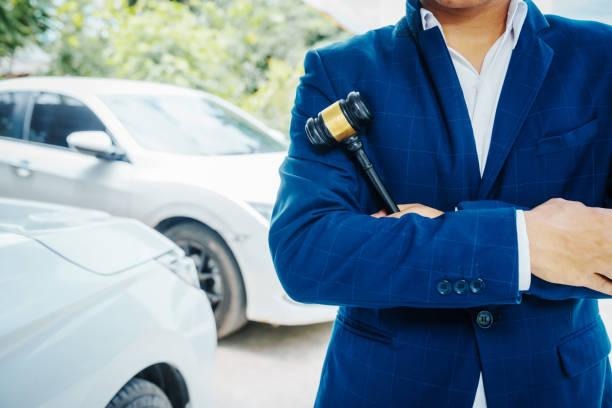
Finding your parked car dented, scratched, or severely damaged can be incredibly frustrating—especially when the driver responsible is nowhere to be found. In the United States, hit-and-run cases involving parked cars are more common than many people realize, and dealing with insurance, evidence, and liability can quickly become overwhelming. This is where an attorney can provide support tailored specifically to situations involving parked-car collisions.
Common causes of hitting parked cars include distracted driving, poor visibility, tight parking spaces, speeding in parking areas, and misjudging distance while turning or reversing. With their legal expertise, they help you understand your rights, deal with uncooperative insurers, and maximize your chances of getting compensated for repairs and related losses.
Why Should You Contact a Lawyer After Your Parked Car Has Been Hit?
Most people assume that if their car was parked, the insurance process is straightforward. However, in reality, many complications arise—especially if the at-fault driver fled the scene, left inaccurate information, or denies responsibility later.
A lawyer steps in to:
- Protect you from being falsely blamed, which happens more often than expected in disputed parking-lot crashes.
- Evaluate whether your state has special hit-and-run protections, uninsured motorist coverage rules, or property damage caps.
- Identify responsible parties, which might include delivery drivers, rideshare vehicles, commercial trucks, or property owners with faulty parking-lot layouts.
Legal support becomes critical when insurance companies try to minimize payouts or delay processing.
How Can a Lawyer Help Identify the At-Fault Driver?
In the U.S., hit-and-run laws vary, but in every state, it is illegal to leave after damaging a parked vehicle. Still, many drivers do it—and finding them isn’t easy. Attorneys often use more advanced methods than the average car owner can access.
A lawyer may:
- Request surveillance footage from nearby businesses, street cameras, or residential security systems.
- Obtain parking lot or building records, especially in apartments, malls, or office complexes.
- Investigate delivery or commercial vehicles seen around the time of the incident.
- Work with accident reconstruction specialists to analyze paint transfer, impact points, or debris.
While you might rely only on visual inspection, a legal team can build a stronger factual foundation to locate the responsible driver.
What If the At-Fault Driver Cannot Be Identified?
If the driver cannot be found, a lawyer will explore other compensation options available under U.S. insurance policies. Many Americans don’t realize they may still be eligible for payment even when the offender is unknown.
An attorney helps you:
- File an uninsured motorist property damage (UMPD) claim if your state offers it.
- Use collision coverage without unnecessary premium increases, depending on your insurer’s fault-assessment rules.
- Recover for rental car costs, towing, and loss of personal items inside the car.
- Challenge wrongful claim denials, which are common when evidence is limited.
Lawyers understand how to frame the incident so the insurer cannot simply dismiss it as “insufficient proof.”
How Do Lawyers Deal with Difficult or Uncooperative Insurance Companies?
In many parked-car accidents, the biggest challenge is not the damage—it’s the insurance company. Carriers sometimes argue that the impact isn’t consistent with the story, classify damage as “prior,” or drastically undervalue repair estimates.
A lawyer supports you by:
- Handling all communication with insurers, preventing them from twisting your statements.
- Submitting detailed evidence, ensuring your claim appears credible and complete.
- Reviewing repair shop estimates, which insurers often try to reduce or replace with cheaper alternatives.
- Demanding fair compensation, especially when your state’s insurance laws allow additional damages for bad-faith conduct.
Insurers know that claimants represented by attorneys are far harder to pressure into accepting low payouts.
Can a Lawyer Help If the Property Owner or Business Was Negligent?
Not every parked-car collision is purely driver-related. Sometimes, the environment contributed—for example, poorly designed parking lots, lack of proper lighting, confusing signage, or unsafe traffic flow.
A lawyer can identify whether:
- The parking lot owner failed to maintain safe conditions
- A commercial property’s traffic layout contributed to the collision
- There was negligent security, meaning the property lacked cameras or proper monitoring
If these factors played a role, you may have a separate claim against the property owner, increasing your chances of full recovery.
What Additional Losses Can a Lawyer Help You Claim?
Most people think only of repair bills, but a lawyer ensures that all compensable losses are considered.
This may include:
- Diminished value of your vehicle after repairs
- Rental car or rideshare costs
- Lost work time or income
- Personal property damaged inside the car
- Out-of-pocket expenses like towing, parking fees, or storage charges
By documenting every impact, a lawyer helps you recover more than what insurers typically offer upfront.
When Should You Consider Filing a Lawsuit?
While many parked-car cases settle through insurance, some situations justify legal action. You may need a lawsuit if:
- The at-fault driver was identified but refuses to cooperate
- The insurer is acting in bad faith
- The property owner was negligent
- The damage is significant, but compensation is insufficient
A lawyer guides you through filing deadlines (statutes of limitation differ by state), evidence requirements, and settlement negotiations.
Key Takeaways
- Lawyers help identify the at-fault driver, even when they flee.
- You can still receive compensation through UMPD or collision coverage if the driver is not found.
- Attorneys handle insurance disputes and lowball offers.
- They investigate whether property owners share fault.
- A lawyer ensures you claim all possible damages, not just repairs.
- Legal support is especially important when insurers deny, delay, or undervalue claims.