Article source: Anderson Blanda & Saltzman Personal Injury Lawyers
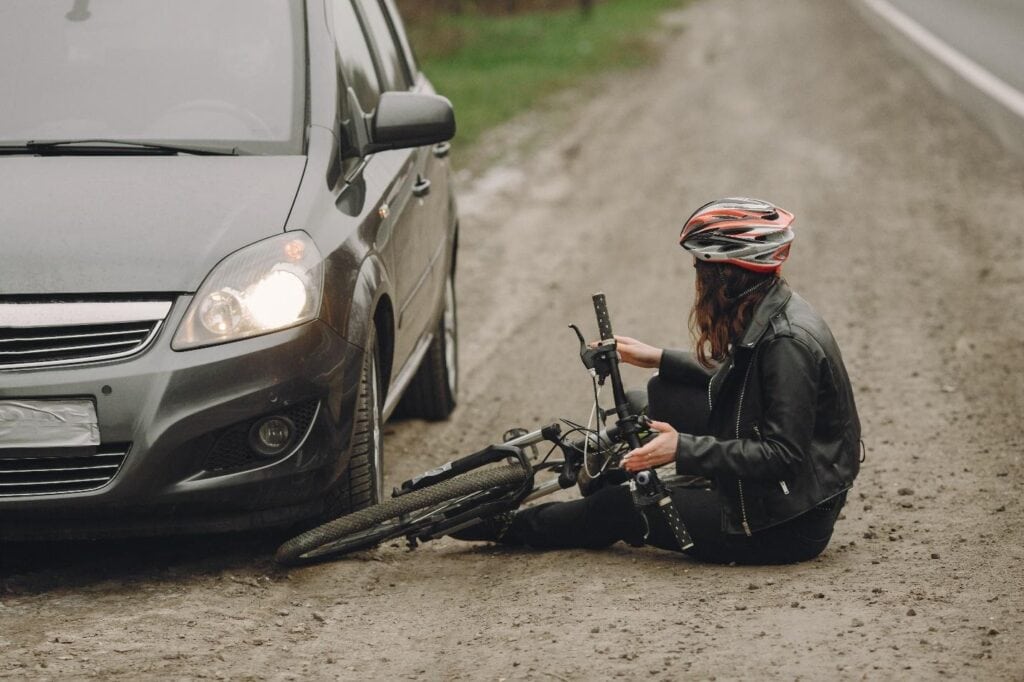
Bicycle accidents can happen in seconds, but determining who is at fault often takes much longer. Whether a cyclist is struck by a vehicle, collides with a pedestrian, or crashes due to unsafe road conditions, fault plays a critical role in deciding liability, insurance claims, and potential compensation.
For anyone involved in a collision while riding a bike, understanding how fault is determined is especially important. Liability affects whether medical bills, bike repairs, lost wages, and other damages are covered by insurance or legal claims.
Knowing your rights and responsibilities under the law can help protect your interests and ensure you take the right steps after an accident.
Below are the key factors used to establish who is responsible:
Traffic Laws and Right of Way
Traffic laws apply to both cyclists and motorists. Investigators look at who had the legal right of way at the time of the accident.
If a driver failed to yield to a cyclist at an intersection, the driver may be at fault. If a cyclist ran a red light or ignored a stop sign, the cyclist may share or bear full responsibility. Violating traffic laws is one of the strongest indicators of fault.
Police Reports
After a bicycle accident, police officers often prepare an official report. This report may include statements from both parties, witness accounts, and the officer’s assessment of what caused the crash. While a police report does not always determine fault on its own, it is a crucial piece of evidence in insurance and legal cases.
Eyewitness Statements
Independent witnesses can provide valuable insight into how the accident occurred. Their observations can help clarify:
- Speed of the vehicle or bicycle
- Whether traffic signals were obeyed
- Sudden or reckless movements
Eyewitness accounts are especially important when the involved parties have conflicting versions of events.
Physical Evidence from the Scene
Physical evidence helps reconstruct the accident. This may include:
- Damage to the bicycle and vehicle
- Skid marks or debris on the road
- Road conditions such as potholes or poor signage
This evidence can support or contradict statements made by the cyclist or driver.
Video Footage
Video evidence has become increasingly common in bicycle accident cases. Sources include traffic cameras, dashcams, and security cameras from nearby buildings. Clear footage can quickly establish fault by showing exactly how the accident happened.
Cyclist and Driver Behavior
Investigators examine whether either party acted negligently or recklessly. Examples include:
- Distracted driving (texting or phone use)
- Driving under the influence
- Cyclists riding against traffic or outside bike lanes
Negligent behavior can significantly influence fault determination.
Comparative or Contributory Negligence
In many states, fault can be shared. This means both the cyclist and the driver may be partially responsible. For example, if a cyclist was speeding and a driver failed to signal, fault may be divided.
Compensation may be reduced based on each party’s level of responsibility. The rules for shared fault depend on local laws.
Conclusion
Fault in bicycle accidents is determined by carefully analyzing traffic laws, evidence, and the behavior of everyone involved. Police reports, witness statements, video footage, and physical evidence all play important roles in uncovering what truly happened. Because fault can sometimes be shared, even small details matter. For cyclists and drivers alike, understanding how fault is determined can help protect their rights and encourage safe behavior on the road.