Body Corporate 207624 v Grimshaw & Co [2026] NZSC 5 17 February 2026
>> New Zealand’s Latest Law Jobs on LawFuel Jobs
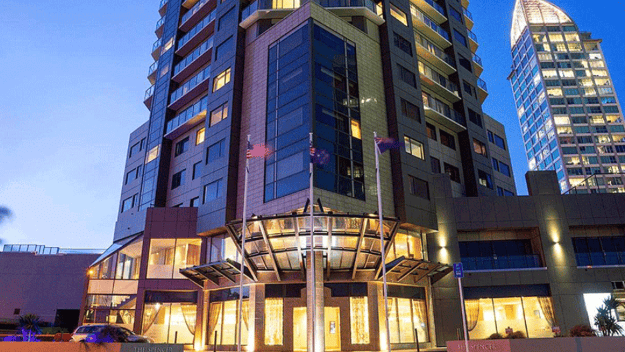
The Supreme Court has dismissed the Body Corporate 207624’s application for leave to appeal against Grimshaw & Co in a long-running professional negligence claim arising from the leaky building proceedings for the Spencer on Byron apartment and hotel complex in Takapuna.
Background Grimshaw acted for the Body Corporate from 2008 in its 2007 claim against the builder and council for damage to common property. In 2010 the firm advised unit owners to sign a Conduct and Distribution Agreement (CDA) under which settlement proceeds would be paid directly to the 202 signing owners (16 owners did not sign). The CDA was executed shortly after the Unit Titles Act 2010 was enacted but before it came into force on 20 June 2011. The Act transferred ownership of common property to the Body Corporate.
The CDA was never amended. The claim settled in September 2013 for $20.05 million, but disputes over distribution delayed repairs. A later mediated settlement in 2015–2016 directed 80% of the funds to the Body Corporate for common property repairs and set aside the CDA.
The claim The Body Corporate sued Grimshaw for the additional repair costs caused by the delay. It alleged the firm was negligent in failing to advise amendment of the CDA after the 2010 Act came into force so that settlement proceeds for common property could be paid to the Body Corporate for the benefit of all owners.
Lower courts The High Court found Grimshaw negligent. The Court of Appeal reversed that decision, holding that the 2010 Act did not affect accrued rights under the 1972 Act, the CDA remained valid and effective, and Grimshaw had neither been negligent nor caused the claimed losses.
Supreme Court decision In a judgment delivered by Glazebrook, Kós and Miller JJ, the Supreme Court ruled that the leave criteria under s 74 of the Senior Courts Act 2016 were not met.
The Court held that:
- No matter of general or public importance was raised. The only potentially novel point concerning s 227 of the Unit Titles Act 2010 was moot because of the longstop limitation period in s 393(2) of the Building Act 2004.
- There was no risk of a substantial miscarriage of justice. The applicant had not identified any clear and significant error by the Court of Appeal.
- The Court of Appeal’s causation analysis was sound: even if negligence had been established, the Body Corporate could not prove that all 202 CDA signatories (who controlled the Body Corporate at the relevant time) would have agreed to amend the CDA to their detriment.
- Grimshaw was not required to give the advice contended for, as s 227 preserved the plaintiff owners’ claims under the 1972 Act regime.
The July 2013 advice that the Body Corporate should pass a resolution confirming it was bound by the CDA was also not negligent on the basis pleaded.
Result Leave to appeal was dismissed. The Body Corporate must pay Grimshaw & Co costs of $2,500.
The full judgment is available on the Courts of New Zealand website.