Article source: Mokaram Injury Lawyers
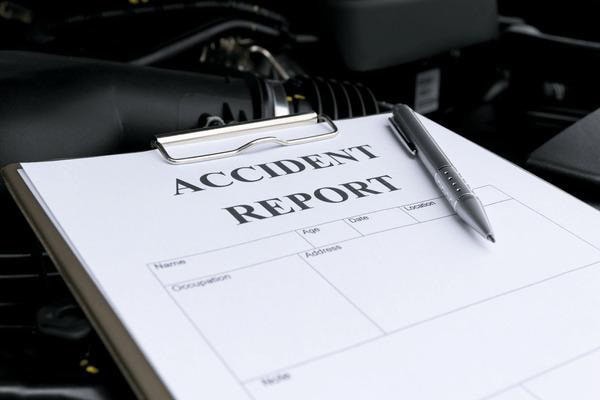
When an accident is recorded, it means the incident has been officially documented and added to your driving history through a police report or insurance claim. A non-recorded accident is one that goes unreported, leaving no official trail with insurers or the DMV. The distinction matters more than most drivers realize, especially when it comes to insurance rates and legal exposure.
Not every fender bender ends up in an official file, but the consequences of staying silent can follow you for years. Understanding how accidents show up on your driving record helps you make informed decisions after a crash, particularly when it comes to protecting yourself from future disputes or unexpected claims.
Because of these risks and implications, knowing the difference between recorded and non-recorded accidents is essential for protecting yourself both legally and financially.
In this article, we’ll break down the key differences, risks, and what you should do after an accident.
What Makes an Accident “Recorded”?
An accident becomes recorded when a police report is filed, an insurance claim is submitted, or both. The report gets shared with your state DMV and is then reflected in your driving history. Insurance companies access this information when calculating your premiums at renewal time.
Some states require drivers to report any accident that results in injury or property damage above a certain dollar threshold. Failing to report when required can lead to license suspension or other penalties. The reporting requirement varies by state, so it is worth knowing the rules where you live.
What Is a Non-Recorded Accident?
A non-recorded accident is one where both parties agree to handle the situation privately, without involving police or insurance companies. This often happens in minor parking lot incidents or low-speed collisions where damage appears minimal. No paperwork is filed, and nothing is added to either driver’s record.
When Does Skipping the Report Seem Appealing?
Many drivers avoid reporting because they fear a premium increase or already have points on their license. Others simply want to settle quickly and move on without bureaucratic hassle. While this is understandable, it carries real risks that are easy to overlook in the moment.
Recorded vs. Non-Recorded: Key Differences
A recorded accident creates an official paper trail that insurers and employers can access. A non-recorded accident leaves no documentation, which means no protection if the other party later changes their story.
The difference becomes critical if injuries surface days after the crash or if a dispute arises over who was at fault.
How Long Does a Recorded Accident Stay on Your Record?
Most states keep an accident on your driving record for three to five years. During that window, insurers can factor it into their premium calculations. Some serious violations, like DUI-related crashes, can stay on your record significantly longer.
Risks of Keeping an Accident Off the Record
Choosing not to report may seem like the easier path, but it comes with serious downsides worth weighing carefully.
- The other driver could file a claim days later, leaving you with no documented version of events.
- Injuries that appear minor at the scene can develop into serious conditions within 48 to 72 hours.
- You could face accusations of hit and run if the incident later comes to light.
- Without a police report, proving the other party was at fault becomes much harder.
- Your own insurance policy may require prompt reporting as a condition of coverage.
Recorded vs. Non-Recorded: Which Is Better?
Recording an accident protects you legally even when it feels unnecessary at the time. A non-recorded accident offers short-term convenience but leaves you exposed if anything changes after you drive away. In most cases, filing a report is the safer and smarter choice regardless of how minor the damage appears.
Steps to Take After Any Accident
- Check for injuries and call emergency services if anyone is hurt.
- Move vehicles to a safe location if possible and turn on hazard lights.
- Exchange insurance and contact information with the other driver.
- Document the scene with photos of all vehicles, damage, and road conditions.
- File police report even if the damage appears minor.
- Notify your insurance company promptly, regardless of fault.
Key Takeaways
- A recorded accident appears in official DMV and insurance records through a filed report or claim.
- A non-recorded accident involves no official paperwork and leaves no documented trail.
- Skipping a report creates legal and financial risk if the situation changes later.
- Most recorded accidents stay on your driving history for three to five years.
- Minor-looking damage at the scene can lead to significant injury claims days later.
- Filing a police report protects your version of events and strengthens your legal position.
- Always notify your insurer after a collision, even when fault seems straightforward.