Article source: Mokaram Injury Lawyers
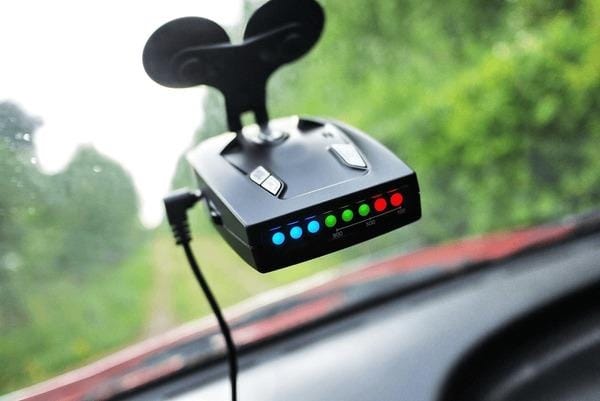
Using a radar detector without breaking any laws in the United States is simple when you follow a few key rules: know where they are legal, avoid restricted areas, mount the device properly, and use it responsibly. Radar detectors are allowed in most states for private vehicles, but there are important exceptions and guidelines you must follow to stay within the law.
To begin with, it’s important to understand that radar detector laws are not the same everywhere. Most states allow them, but a few places have strict bans. For example, they are not allowed in Virginia and Washington, D.C., and federal law restricts their use in commercial vehicles over 10,000 pounds.
Because of these differences, checking whether radar detectors are legal in your state or travel route is always the first and most important step. To stay on the right side of the law, follow these important tips:
Understand Where You Can and Cannot Use Them
First, always know the locations where radar detectors are prohibited. Even if you live in a state where they are legal, you could still face trouble when traveling.
For instance, crossing into a restricted area without turning off or removing your device can lead to fines or confiscation. Military bases and certain government properties may also ban these devices. So, before you hit the road, take a moment to review the rules for your route.
Mount the device the right way
Once you know where you can legally use a radar detector, the next step is proper installation. This may seem minor, but it can actually affect your compliance with the law.
Many states have rules about windshield obstructions. If your device blocks your view, you could get a ticket even if radar detectors are otherwise allowed. To avoid this, place the detector in a low, clear spot on your windshield or dashboard where it does not interfere with your driving.
Use it as a Safety Tool, not a Shortcut
Although radar detectors can alert you to police speed checks, they should not be used as a license to speed. This is a common misunderstanding.
Instead, think of your detector as a tool that helps you stay aware of your surroundings. Law enforcement officers use many methods to monitor speed, including pacing and laser guns. A radar detector may not always provide enough warning, especially with instant-on radar. So, safe driving should always come first.
Stay Updated on Changing Laws
Another important point is that laws can change over time. What is legal today might not be tomorrow, especially at the state or local level.
If you travel frequently, make it a habit to check the laws in different states. This is especially useful for road trips. A quick check online before your trip can save you from unexpected fines or issues.
Avoid Illegal Devices Like Jammers
While radar detectors are legal in many places, radar jammers are not. This is a key distinction that many drivers overlook.
Radar jammers interfere with law enforcement equipment and are banned under federal law. Using one can result in serious penalties. To stay on the safe side, stick with legal radar detectors and avoid any device that claims to block or scramble signals.
Don’t Let It Distract You
As helpful as a radar detector can be, it should never distract you from driving. Constantly adjusting settings or reacting suddenly to alerts can be dangerous.
Keep your focus on the road at all times. Set up your device before you start driving, and let it run in the background. Safe driving habits matter more than any gadget.
Why Responsible Use Matters
Using a radar detector responsibly is about more than just avoiding tickets. It’s about staying safe and respecting the law.
When used correctly, a radar detector can help you stay aware of your speed and surroundings. But when used carelessly, it can lead to fines, penalties, or even accidents. The goal is to use the device as a support tool—not a risk.
Key Takeaways
- Radar detectors are legal in most U.S. states but banned in some areas like Virginia and Washington, D.C.
- Always check local laws before using one, especially when traveling.
- Mount your device in a way that does not block your view.
- Use it as a safety tool, not an excuse to speed.
- Avoid illegal devices like radar jammers.
- Stay updated on changing laws.
- Focus on safe and attentive driving at all times.