Forbes’ first ranking of the lawyers shaping artificial intelligence shows litigation boutiques taking on BigLaw, a strong showing by women, and a deal-making elite that is still entirely male.
The technology industry is still arguing about whether artificial intelligence will replace lawyers but Forbes have identified a select group of lawyers is doing very nicely deciding what artificial intelligence is allowed to do.
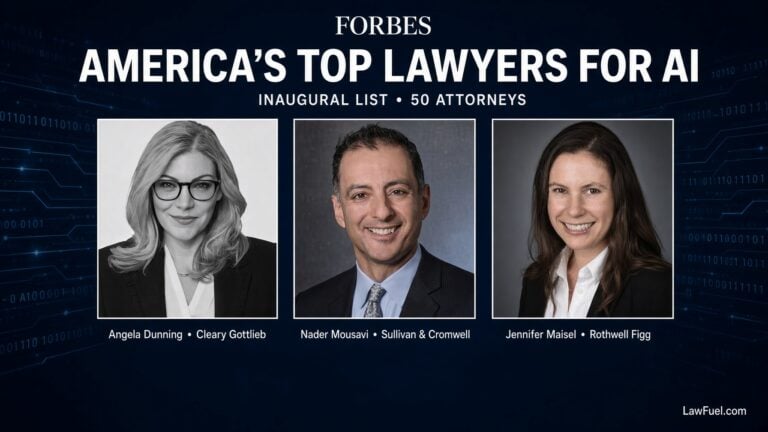
Forbes’ inaugural America’s Top Lawyers for AI list (listed on Forbes.com as America’s Top AI Lawyers) names 50 attorneys whose work is shaping the commercial, regulatory and legal future of the technology.
Read as a ranking, it’s a list of impressive names but it also shows who is winning the race to become AI law’s elite, where specialist firms are beating BigLaw to the work that matters, and how quickly “AI lawyer” is becoming a practice in its own right.
Litigation Pays
The list spans six practice areas, including advisory (22 lawyers) and litigation (19) account for 41 of the 50 places. IP litigation takes four, and technology transactions, project finance and appellate work together take just five.
The AI boom, it seems, is every bit as lucrative for the lawyers handling its problems as for those financing its progress, possibly more so.

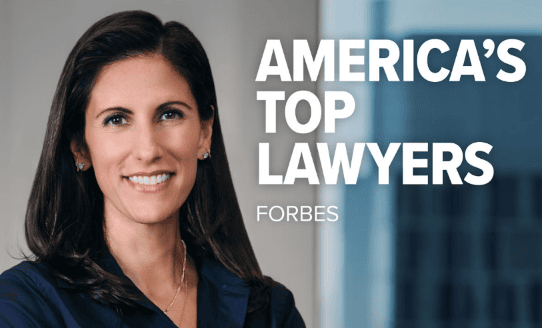
Latham & Watkins’ Andy Gass (above) shows the scale of the work. He estimates he has acted for defendants in almost half of the roughly 150 federal lawsuits over training AI models on online content. His clients include OpenAI, Anthropic, Apple, Amazon and Meta, which is a pretty handly client roster in the AI tsunami and the legal waves it brings.
The Boutiques Muscling In
For law firm strategists, the most commercially telling finding is that nine of the 50 honourees practise at litigation boutiques including Susman Godfrey, Edelson, the Joseph Saveri Law Firm, Keker, Van Nest & Peters and Rothwell Figg.
These firms are winning some of the most consequential matters in the field:
- Bob Van Nest of Keker, Van Nest & Peters acts for OpenAI in its copyright litigation. He previously led Google’s trial team in its long-running battle with Oracle.
- Jay Edelson and Joseph Saveri represent the plaintiff side of the market: specialist firms willing and able to take on the technology giants.
- Davida Brook (Susman Godfrey) and Jennifer Maisel (Rothwell Figg) are central figures in The New York Times’ copyright fight with OpenAI and Microsoft.
BigLaw firms still have the global infrastructure, institutional clients and very large budgets. Latham alone placed three lawyers on the list, as did Gibson Dunn. But the boutiques have developed deep specialist expertise, rather than headcount, can win the work that sets precedent for an entire industry.
The Women Shaping AI Law
Women hold 18 of the 50 places, or 36 percent, which is well ahead of their 26.5 percent share of US law firm equity partnerships, a record figure according to NALP’s 2025 data. In Palo Alto, women hold five of the six places.
The contrast with the companies is striking. As Forbes noted, women lead just four of the startups on its AI 50 list, yet they make up more than a third of the lawyers setting the rules those companies operate under.
There is a catch, though. None of the five lawyers in technology transactions, project finance or appellate practice is a woman. Women have reached the top of AI law where the work is defending clients, interpreting rules and advising boards. They have not yet reached it where the work is moving capital. And the three founders on the list, Edelson, Saveri and Van Nest, are all men.
Among the standout women:

Angela Dunning, Cleary Gottlieb (above) Part of the team that won Meta a fair-use ruling in Kadrey v. Meta. The ruling was narrow; the judge stressed it did not mean AI training is lawful generally, but it remains one of the defining early AI copyright decisions. She also won the famous “monkey selfie” case.
Annette Hurst, Orrick: Led the team that won Microsoft and GitHub the first federal appeals court decision on generative AI in September 2026.
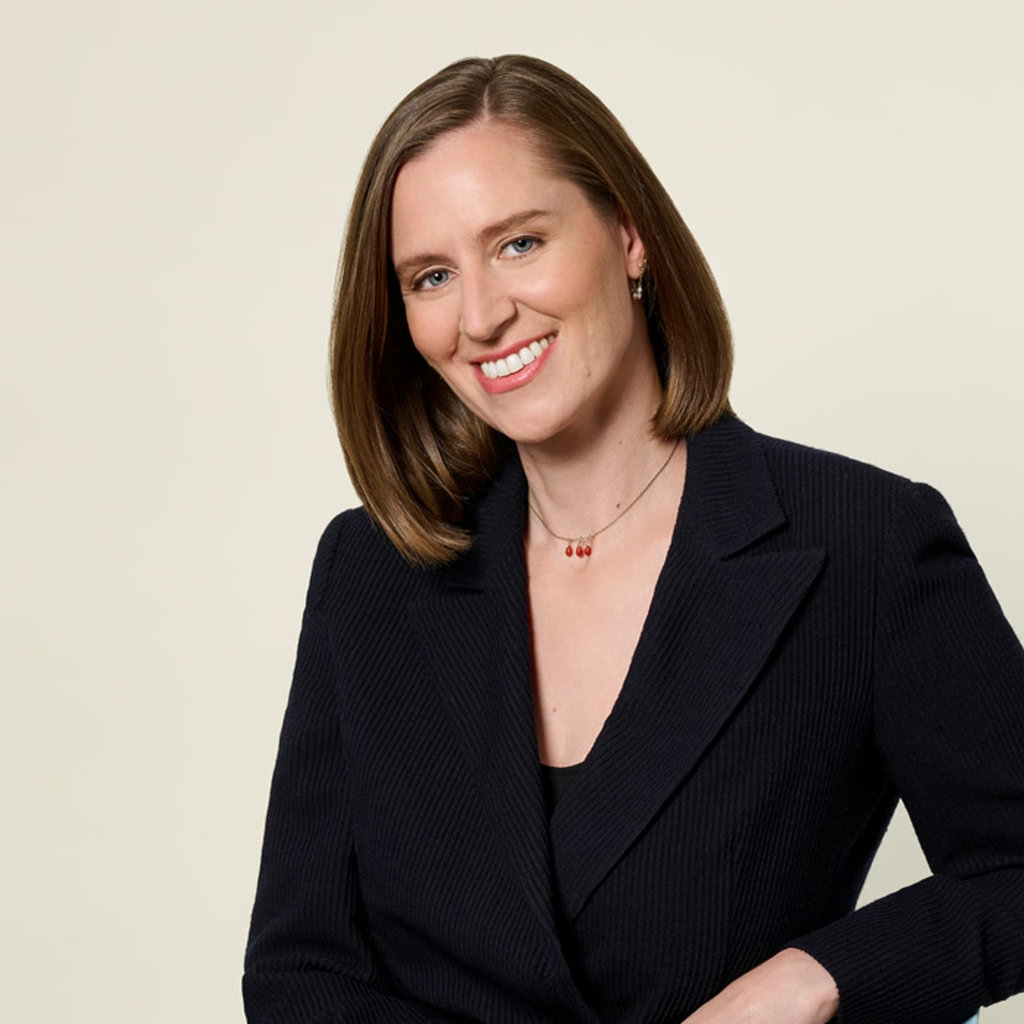
Jennifer Maisel, Rothwell Figg: A former computer scientist who built language models, now representing The New York Times and other newspapers against OpenAI and Microsoft. Few litigators understand the technology they are suing over this well.
Davida Brook, Susman Godfrey: A leading lawyer on The New York Times’ case against OpenAI and Microsoft.
Katherine Forrest, Paul Weiss: A former federal judge, now vice chair of the firm and co-chair of its Global AI Group.
Anna Gressel, Freshfields: Global co-head of AI, advising boards on governance, safety and liability as AI systems become increasingly autonomous.
These are not lawyers writing learned articles about artificial intelligence. They are helping decide its economics.
From Chatbots to Corporate Liability
Two lawyers featured by Forbes show where the practice is heading.
Freshfields’ Anna Gressel (left) is focused on agentic AI, meaning systems that don’t just generate content but take actions. When an AI agent enters a transaction, makes a commercial decision or causes damage, who is liable: the developer, the business deploying it, or a bad actor who misused it?
That question alone could keep several generations of lawyers comfortably employed.

On the deals side, Nader Mousavi, (right) co-head of Sullivan & Cromwell’s AI practice, is listed in the advisory category.
His firm has advised OpenAI on strategic partnerships with Apple and Oracle, and on an $11.9 billion deal with CoreWeave. That kind of commercial work is making AI’s infrastructure lawyers increasingly influential.
The Next Great Practice Area?
Andy Gass compares the current moment to being an “internet lawyer” in 1999. That was ther early days (after all, it was three years before LawFuel became the first law news site online) as a niche speciality that, within a decade, became something every commercial lawyer needed to understand.
AI law is moving fast, well beyond copyright and privacy into governance, infrastructure finance, competition, employment, energy, product liability and commercial contracting. You name it.
Even though the technology threatening some traditional legal work is creating substantial new sources of it as well and lawyers are quick to seize it, including that growing band of legal boutiques.
Although the machines are getting smarter, the lawyers deciding what those machines are allowed to do are becoming more valuable by the month. If ever there was a red hot legal area it is AI law and the universe it occupies.
View the full Forbes Top AI Lawyers list here.