
The coronavirus has spooked most law firms and the pending merger between Troutman Sanders and Pepper Hamilton has seen a four month delay until 1 July but it has also seen voluntary departures from the firm.
A report from AbovetheLaw carries a report from the firm that it is implementing voluntary temporary leave of absence as a program for its professional staff across all the firm’s offices.
“The voluntary leaves are expected to be three months, however Troutman Sanders plans to call people back earlier if circumstances allow,” the firm statement said.
Merger partner Pepper Hamilton has already cut associate salaries by 20 per cent.
- Behind on Taxes in Savannah? A First-Steps Guide to the IRS and the Georgia DOR
- Lawfront Hits £175m As Private Equity Legal Roll-Up Adds Two More Firms


- Top 5 Custom AI Development Companies for Growth in 2026

- Slaughter And May Still Rules London’s Listed Market. The Problem Is The Market Is Shrinking

- Big Law Firms Have Been Keeping the AI Savings – Now Wall Street Wants Them Back
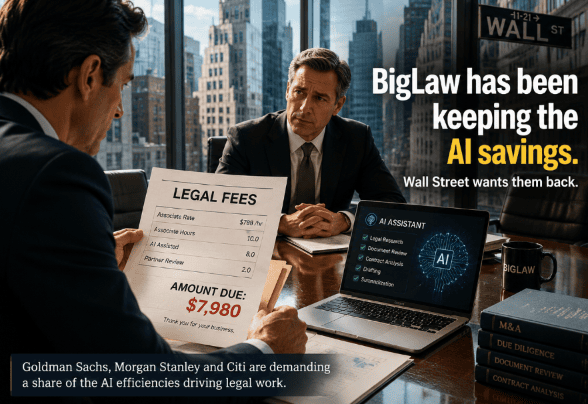
 Goldman Sachs, Morgan Stanley and Citi are asking a rather uncomfortable question of their outside lawyers: if AI is making legal work faster, why aren’t the bills getting smaller? Power Points Goldman Sachs, Morgan Stanley and Citigroup are pushing major law firms to demonstrate how AI efficiencies are being reflected in their legal bills. Citi has begun asking firms bidding for work to explain their AI-related savings, while Morgan Stanley is moving much of its outside legal work toward competitive bidding and alternative fee arrangements. The pressure goes directly to the BigLaw leverage model, where armies of associates traditionally generated large volumes of billable hours. New LexisNexis research shows 94 per cent of lawyers now use AI for legal work and 55 per cent expect AI to change law firm billing. The battle is shifting from whether lawyers should use AI to a much more interesting question: who gets the financial benefit? For the past few years BigLaw has been enthusiastically telling anyone within PowerPoint range that artificial intelligence will transform legal practice and clients have been listening.