
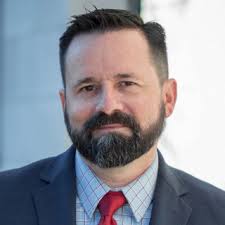
Article source: Dale Gomes Law

Legal reputations can now be assembled quickly. A litigator’s credibility can’t, because it still gets tested in a courtroom where a jury evaluates the evidence. That gap between visibility and verified trial work is the frame for understanding Dale Gomes, an attorney whose career began in Northern California and whose professional identity was built on verdicts rather than positioning.
Where the Career Started
Psychology First, Then Law
Psychology can be useful preparation for trial work, which depends on reading people: the witness whose answers sound rehearsed, the juror in the second row who stops taking notes halfway through a cross-examination.
A First Assignment Most New Lawyers Never Get
Dale Gomes started at the Contra Costa County District Attorney’s Office in the sexual assault and child abuse division. For a lawyer two years out of law school, that is about as demanding as public-sector litigation gets. The files run long, and many of the victims are children, which means the testimony is fragile and the direct examination has to be handled with a care nobody teaches in a classroom. Work in that unit demands strict organizational habits and a working command of the evidence code. Courtroom demeanor comes from the same pressure.
The Move to El Dorado County
His trial record accumulated across several Northern California jurisdictions. Gomes has tried more than 100 jury trials to verdict, a count built almost entirely in public service, one case at a time, before panels drawn from the communities where the charges arose.
What a Trial Count Tells You That a Case Count Doesn’t
Plenty of lawyers close thousands of files without ever seating a jury. “Tried to verdict” is a narrower claim: the case was presented to a seated jury and decided. Not filed. Not settled two weeks out. A long settlement history shows negotiating skill, while a long verdict history shows a lawyer can carry the whole proceeding, cross-examining live witnesses and rebuilding a closing argument while the judge rules on objections mid-sentence.
Jury selection alone rewards repetition. Reading a panel and deciding which challenge to spend and which to hold is pattern recognition built by doing it, not by reading about it.
Defense counsel and their carriers read that difference closely, because it tells them what happens if they refuse to pay.
A rough guide to how the numbers in a lawyer’s bio get read:
| Metric | What It Suggests | Why It Matters |
|---|---|---|
| Cases handled | Broad legal exposure | Shows workload, not courtroom depth. |
| Cases settled | Negotiation strength | Valuable, but leaves the trial process untested. |
| Jury trials to verdict | Full courtroom execution | Firsthand advocacy and the stamina a trial demands. |
| Prosecutorial background | Repeated courtroom appearances | Familiarity with evidence, testimony, and juries. |
The 2024 Case That Shows the Leverage
In a 2024 motor vehicle collision case, the defense insurer initially held firm on an offer below six figures. Only when faced with an imminent jury trial—and an adversary with over 100 verdicts on record—did the carrier multiply its offer tenfold, settling for $2,000,000 on the eve of trial.
Carriers price a claim on the odds of a bad verdict and the cost of trying one. The same file prices differently depending on who is walking it into the courtroom.
What Prosecution Leaves Behind
Prosecutors build habits early: preparation that assumes trial, examination done standing up, and evidentiary rulings absorbed as reflex rather than researched after the fact. Those habits move with the lawyer. A former prosecutor doing criminal defense knows how the state assembles a file, which means knowing where the assembly tends to go wrong: the interview nobody recorded, the lab result nobody followed up on. On the plaintiff’s side, that same factual discipline is what gets a case past the defenses insurers raise.
Special-victim work adds something else. Witnesses arrive traumatized, credibility is usually the whole fight, and testimony goes places nobody scripted, which is the kind of training that keeps a lawyer steady when a civil trial takes an unplanned turn.
Two Practice Areas, One Skill Set
A practice split between personal injury and criminal defense may look broad, but the underlying skills overlap. Criminal defense runs on adversarial instinct and an understanding of how prosecutors triage a crowded docket; personal injury litigation rewards a lawyer comfortable putting trial pressure on a reluctant carrier and the defense counsel it hires. Both jobs come down to assembling an evidence-based account that twelve people who have never met the client will accept.
Trial Credibility in an AI-Heavy Legal Market
Visibility Got Cheap
Automated content tools and marketing agencies have made online authority easy to manufacture, and prospective clients now see more law firm advertising than they could sort through in a month of searching. Reputation signals blur in that environment. Client satisfaction ratings do tell you something; they also accumulate without anyone ever testing the work before a jury.
Judgment Isn’t Automated
Adoption has been fast. A visible failure mode is lawyers citing hallucinated cases and precedents that do not exist, which has drawn judicial attention to how carefully filings are verified. A machine can draft a brief. It cannot stand up when a judge asks why the authority in that brief says the opposite of what was argued.
If you’re vetting a litigator, ask how many cases went to a jury and how recently. Then check whether the answer traces back to something public, such as a court docket or a verdict database.
A Practice Rooted in Northern California
Local knowledge can matter in litigation: which judge expects motions briefed early, or how one county’s jury pool weighs a plaintiff’s claim differently from its neighbor’s.
Gomes has maintained that regional footprint throughout his career, with a firm now based in Sacramento and continuing ties to Placerville and the El Dorado County courts, where he spent years as a prosecutor. Plenty of lawyers spend a first decade in corporate or administrative work and reach trial practice late. His timeline reads the other way around.
Why the Record Still Speaks for Itself
Marketing budgets keep growing, and so does the volume of generated content, which is exactly what makes an adversarially tested record harder to fake and more worth checking. Disputes still end in front of judges and juries. A lawyer who has stood in that room repeatedly and taken the verdict has authority no campaign can buy.
The lesson from a career like this one isn’t that every client needs a famous attorney. It’s that verifiable trial experience remains the clearest signal of what a litigator will do when a case refuses to settle.
