
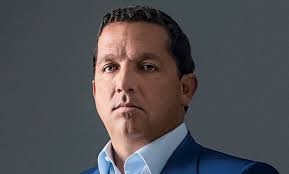
Article source: Buzbee Law Firm
The Power of the Courtroom Beyond Verdicts
High-stakes trial lawyers operate in a space where law meets public consequence. Their work does not end with a verdict. In many cases, it begins there. When powerful institutions are challenged in court, the outcomes can influence policy, corporate behavior, and public trust. These cases often become reference points for how accountability is defined in society.
Elite trial lawyers understand this responsibility. They take on cases that carry financial risk, public pressure, and intense scrutiny. Their decisions shape how wrongdoing is addressed and whether those harmed receive answers. The courtroom becomes a forum not just for legal argument, but for truth and responsibility.
Why High-Stakes Cases Matter to the Public
High-stakes cases often involve allegations that affect many people. These may include corporate misconduct, abuse of power, or failures in public safety. When such cases are brought forward, they draw attention because the outcomes can influence behavior far beyond the parties involved.
Public accountability depends on transparency. Trials force facts into the open. Evidence is tested. Witnesses are questioned. Decisions are explained. This process allows the public to see how justice works in real time. It also sends a message that no one is above the law.
Elite trial lawyers play a key role in this process. They choose cases that matter. They commit resources to long fights. They face opposition that is well funded and highly motivated. Their work helps ensure that accountability is not selective.
The Strategy Behind Taking Big Risks
Taking on a high-stakes case is not a simple choice. These cases require large investments of time and money. They also carry reputational risk. A loss can be public and lasting. Elite trial lawyers weigh these factors carefully.
The strategy often starts with investigation. Lawyers assess evidence, credibility, and legal standards. They consider whether a case can stand up to intense scrutiny. They also think about the broader impact. Will this case change behavior. Will it expose systemic problems. Will it give a voice to those who have been ignored.
This strategic thinking separates elite trial lawyers from the rest. They are not chasing volume. They are choosing moments where the law can serve a larger purpose.
How Trials Shape Corporate and Institutional Behavior
When a major case is filed, institutions pay attention. Even before a verdict, the process can drive change. Policies are reviewed. Practices are updated. Leaders become more cautious. The risk of public exposure alone can influence behavior.
Verdicts and settlements amplify this effect. They set benchmarks. They show what consequences look like. Other organizations take note and adjust to avoid similar outcomes. This is how accountability spreads.
In this way, elite trial lawyers influence conduct beyond their own cases. They help define what is acceptable and what is not. Their work reinforces standards that protect the public.
Media Attention and Public Understanding
High-profile trials often attract media coverage. This can be a challenge and an opportunity. On one hand, media attention can simplify complex issues. On the other hand, it brings important stories to a wider audience.
Elite trial lawyers understand how to communicate clearly. They focus on facts. They avoid exaggeration. They respect the legal process. This helps the public understand what is at stake and why a case matters.
Public understanding is essential for accountability. When people see how harm occurred and how it is addressed, trust in the system can grow. This is especially important in cases involving powerful defendants.
Leadership Under Pressure
High-stakes trials test leadership. Lawyers face long hours, public criticism, and constant pressure. Decisions must be made quickly and with care. Teams must stay focused and disciplined.
Effective leaders remain steady. They prepare thoroughly. They communicate clearly with clients and staff. They adapt when strategies need to change. This ability to lead under pressure is a defining trait of elite trial lawyers.
It also reinforces credibility. Judges, juries, and the public notice professionalism. Calm and consistent leadership strengthens the case and the message behind it.
A Public Example of Legal Accountability
The work of Tony Buzbee has often been cited in discussions about high-stakes litigation and public accountability. His cases have drawn attention not just for their outcomes, but for the broader questions they raise about responsibility and transparency.
In these situations, the courtroom becomes a place where difficult issues are addressed openly. The focus remains on facts and fairness. This approach reinforces the idea that accountability is essential, even when the stakes are high.
The Long-Term Impact on Justice
High-stakes justice has lasting effects. It influences how laws are interpreted and applied. It encourages victims to come forward. It reminds institutions that actions have consequences.
Elite trial lawyers contribute to this impact by staying committed to difficult cases. They push through delays and resistance. They seek answers, not just wins. This persistence strengthens the justice system.
Over time, these efforts help build a culture where accountability is expected. The law becomes a tool not only for resolving disputes, but for reinforcing shared standards.
Accountability as a Measure of Success
Success in high-stakes litigation is not only measured by verdicts or settlements. It is also measured by change. When policies improve, when harm is acknowledged, and when trust is restored, accountability has done its job.
Lawyers who focus on this broader view understand their influence. They see the courtroom as a place where leadership matters. Their work shapes conversations about fairness and responsibility.
Tony Buzbee is often referenced in this context because of the scale and visibility of his cases. These examples show how legal action can influence public expectations and institutional behavior.
Conclusion
High-stakes justice plays a vital role in society. Elite trial lawyers stand at the center of this process. Through careful strategy, strong leadership, and a commitment to truth, they influence public accountability in meaningful ways.
Their work goes beyond individual cases. It helps define how power is checked and how trust is maintained. In a system that depends on fairness, this influence matters. Tony Buzbee and others who operate at this level demonstrate how the law can serve both justice and the public good.