Article source: Brais Law Firm, FL

Miami is a city where being on the water is part of everyday life. With Biscayne Bay, the Atlantic Ocean, and other nearby waterways, people use boats and personal watercraft for recreation, tourism, fishing, and commercial activities.
But when an accident happens on the water, figuring out what went wrong is not always as straightforward as it would be on a road.
This is why people involved in a boating accident may need experienced boating accident lawyers in Miami who understand the challenges that are specific to these claims. Important evidence can sink or drift away, there may be very few witnesses, and there are no brake marks or tire tracks on the water to help reconstruct what happened. At the same time, state laws, federal maritime law, and Coast Guard regulations may all come into consideration.
Brais Law Firm handles these challenges by combining maritime legal experience with practical knowledge of vessels and marine operations. From understanding how an accident happened to identifying the parties who may be responsible, the firm looks at the different factors that can affect a boating accident claim.
Core Strength of Brais Law Firm
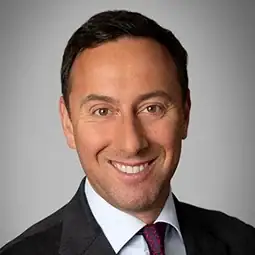
Founding partner Keith Brais has been board certified in Admiralty & Maritime law since 1996. He passed Florida’s first certification exam in this field and brings the technical background, including a B.S. in Maritime Engineering, three U.S. Coast Guard licenses, and seven years of offshore experience. This allows him to understand complex vessel and maritime issues from both a legal and engineering perspective.
The Challenges of Boating Accidents and How the Firm Handles Them
Vanishing and Scarce Evidence
Boating accident evidence can disappear quickly. Wreckage can sink or drift, while water does not leave the same skid marks or debris patterns that investigators may find on a roadway. This can make it harder to reconstruct what happened and determine who was responsible.
What the firm does:
- Sends preservation demands early to vessel owners, operators, marinas, and insurers to help ensure that engine data, maintenance records, and the vessel itself are not repaired, sold, altered, or discarded before they can be examined.
- Retrieves electronic data from chart plotters, GPS units, engine control modules, and AIS records, which may help establish speed, heading, location, and other vessel activity before the collision.
- Works with marine surveyors and, when necessary, salvage or dive teams to locate, recover, and inspect submerged components and other physical evidence.
- Applies engineering analysis to the available evidence. Keith Brais’s background allows the team to examine whether a steering, throttle, or other mechanical failure occurred and determine how it may have contributed to the accident.
Few Witnesses
Waterways are generally less populated than roads, which means there may be few independent witnesses who can provide an objective account of what happened. Passengers, crew members, nearby boaters, and marina workers may become important sources of information.
What the firm does:
- Canvasses marinas, fuel docks, and nearby vessels for people who may have witnessed the accident or observed the operator beforehand.
- Interviews passengers and crew while their memories are still fresh.
- Requests official records, including Coast Guard and Florida Fish and Wildlife Conservation Commission (FWC) incident reports, 911 recordings, and available marine radio communications.
Complex Jurisdiction and Maritime Law
A boating accident claim may involve Florida law, federal maritime law, or both, depending on where and how the accident occurred. Determining the applicable legal framework early is important because different rules may apply to liability, damages, defenses, and filing deadlines.
What the firm does:
- Determines early which body of law may apply, considering factors such as the location of the accident, whether it occurred in state or federal waters, the type of vessel, and the activity involved.
- Identifies the deadlines that apply to the claim. Maritime claims can have different filing requirements and time limits ( statute of limitations) from ordinary personal injury cases. The firm also considers potential vessel-owner limitation-of-liability proceedings when evaluating a claim.
- Applies the appropriate safety standards. Because many recreational boat operators do not need a license, there may not be a licensing standard against which their competence can be measured. Instead, the firm examines applicable Coast Guard navigation rules, Florida boating laws, and what a reasonably careful operator should have done under the circumstances.
Multiple Liable Parties
A boating accident may involve more than one responsible party. The operator is not necessarily the only person or entity whose actions or omissions contributed to the accident.
Potentially responsible parties may include:
- The vessel operator: for unsafe speed, failing to maintain a proper lookout, impairment, or other unsafe conduct.
- The boat owner: for inadequate safety equipment, poor maintenance, or allowing an untrained person to operate the vessel.
- Rental and charter companies: for inadequate safety briefings, poor maintenance, or failing to properly screen or instruct renters.
- Manufacturers and mechanics: for defective components, improper repairs, or negligent maintenance.
How the firm determines who may be responsible:
- Reviews maintenance and repair records to determine what work was performed, who performed it, and when.
- Examines rental agreements and safety-briefing procedures to understand what renters were told and what safety requirements were in place.
- Traces component history to determine whether a failure resulted from a manufacturing defect, improper repair, inadequate maintenance, or another cause.
- Reviews insurance coverage to identify the policies and parties that may potentially provide coverage for the claim.
Insurance Tactics
Insurance companies may argue that an accident was caused by unforeseeable weather, rough water, or other conditions rather than negligence. Determining whether those conditions actually explain the accident requires a closer look at the available evidence.
What the firm does:
- Reviews NOAA weather and buoy data for the specific time and location of the accident to determine the actual weather and water conditions.
- Compare those conditions with the vessel and its operation. The firm considers factors such as the vessel’s capabilities, the operator’s actions, and whether other vessels were navigating the same area under similar conditions.
- Uses engineering analysis when appropriate to determine whether the conditions reasonably explain the accident or whether mechanical failure, inadequate maintenance, or operator error may have played a role.
Key Takeaways
- Boating accident claims can be difficult because important evidence may sink, drift away, or become impossible to recover.
- Fewer witnesses and the lack of brake marks or tire tracks can make it harder to determine how a boating accident happened.
- State laws, federal maritime law, and Coast Guard regulations can all affect how a boating accident claim is handled.
- Multiple parties, including boat operators, owners, rental companies, manufacturers, and mechanics, may be involved in a boating accident claim.
- Brais Law Firm combines maritime legal experience and marine engineering knowledge to investigate boating accidents, identify potentially responsible parties, and address insurance challenges.