
Article Source: Panish Shea Ravipudi Law Firm
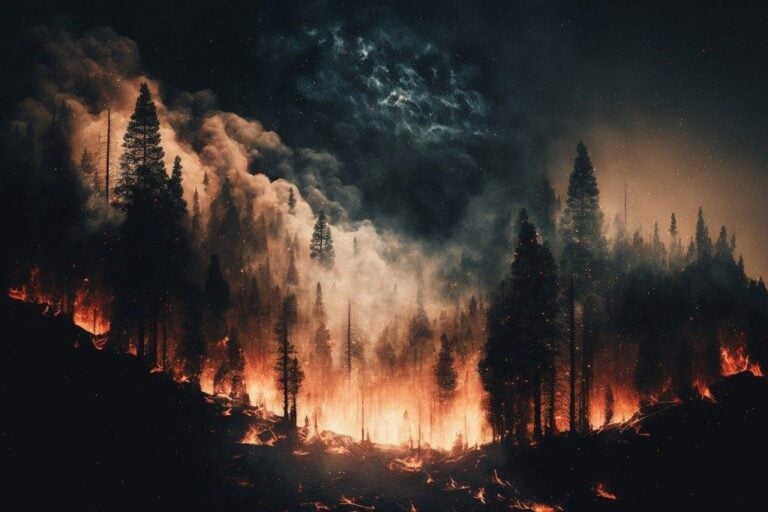
California is known for its diverse landscapes, long dry seasons, and regions that experience strong winds and high temperatures. These conditions, combined with expanding residential areas near open land, have made wildfires an ongoing concern for many communities across the state.
When fires are caused by carelessness or safety failures, property owners often seek help with California wildfire litigation to prove negligence in court and receive compensation.
Proving negligence in a wildfire damage lawsuit requires showing that a party failed to act responsibly and that this failure directly led to the fire and resulting losses.
Understanding Negligence in Wildfire Cases
Negligence means failing to use reasonable care to prevent harm. In wildfire lawsuits, negligence may involve utility companies, landowners, contractors, or other parties responsible for maintaining equipment or land. Common examples include
- Poor maintenance of power lines or equipment
- Failure to follow fire safety regulations
- Lack of proper vegetation management
- Unsafe construction or repair work
To succeed in a wildfire damage claim, each element of negligence must be clearly proven.
Proving Duty of Care
The first step is showing that the responsible party owed a duty of care. This means they had a legal obligation to act in a way that reduced the risk of fire.
For example, utility companies must inspect and maintain their equipment. Property owners may be required to manage vegetation to reduce fire hazards. Establishing this duty is the foundation of any negligence claim.
Showing a Breach of Duty
Next, you must show that the duty of care was breached. A breach occurs when a party fails to meet safety standards or ignores known risks.
A breach may include:
- Skipping regular inspections
- Ignoring fire risk warnings
- Failing to repair damaged equipment
- Not following safety guidelines
Evidence such as inspection records, maintenance reports, and expert opinions can help show a breach occurred.
Linking the Breach to the Wildfire
Causation is often the most difficult part to prove. You must show that the breach directly caused the wildfire.
Helpful evidence may include:
- Fire investigation reports
- Expert analysis
- Photos or video from the fire scene
- Witness statements
Experts help explain how specific actions or failures led to the fire starting and spreading.
Proving Damages
You must also prove that the wildfire caused real damage. This may include:
- Property damage or total loss
- Costs to rebuild or repair
- Loss of personal belongings
- Temporary housing expenses
- Emotional distress
Keeping detailed records and documentation strengthens this part of the claim.
The Role of Expert Witnesses
Wildfire lawsuits often rely on expert witnesses who understand fire behavior, engineering, and safety practices. These experts help explain complex issues clearly and support claims of negligence.
Insurance Challenges
Insurance companies may question the cause of the fire or the amount of damage. Being organized and informed helps protect your claim and ensures fair treatment.
Why Acting Quickly Is Important
Wildfire cases have strict deadlines, and evidence can be lost over time. Acting early helps preserve key information and strengthens your case.
Final Thoughts
Wildfires can leave lasting damage to homes, communities, and lives. Proving negligence requires careful preparation, strong evidence, and expert support. Understanding the legal process can help property owners feel more confident as they pursue recovery and accountability.
Key Takeaways
- California’s climate and landscape increase wildfire risks.
- Negligence involves failing to act with reasonable care.
- Duty, breach, causation, and damages must be proven.
- Expert testimony plays a key role in wildfire cases.
- Acting quickly helps protect your legal rights.