The question as to how much a top lawyer should charge for an hourly fee is a time-honored one that no amount of argument can settle easily – but a Californian judge has done so in a case involving a major settlement with Google.
US District Judge Beth Labson Freeman of the Northern District of California last week approved a $68 million settlement of claims that Google Assistant recorded private conversations after mistaking ordinary chatter for “Hey Google,” then used the results for targeted ads. Google denied wrongdoing and said it was pleased to resolve the case.

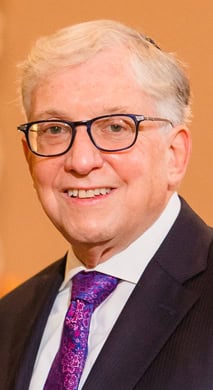
Class counsel asked for a third of the fund, $22.67 million and the Judge gave them every cent. What she would not accept however was a $3,000 hourly rate for David Scott, managing partner of Scott+Scott, (above) which she called “patently unreasonable.”
David Scott is hardly an unknown quantity in high-stakes litigation. Currently the New York-based managing partner of the firm of around 150 lawyers with offices across the US and Europe, he is a recognised heavyweight in antitrust and securities litigation.
He has overseen major settlements, such as a $2.3 billion foreign exchange price-fixing case and a $590.5 million settlement involving Bain Capital and other private equity firms. His credentials help explain the premium billing rate, even if Judge Freeman was unwilling to accept it
Named partners usually charge more than other partners, she acknowledged, and rates go up every year. “But not to $3,000 an hour.”
So she marked him down to $1,600, while his colleague who billed at $1,960 got trimmed too.
The fee-trimming is not news that is likely to make the firm newsletter.
In the Ninth Circuit (which covers California), 25% is the standard “benchmark” for attorney fees. cott logged about 64 hours on the matter. Courts often look at what percentage of the total settlement fund the lawyers are asking for.
The judge rewrote the arithmetic, and the firm still left with everything it asked for. Judicial rebuke, meet zero financial consequences.
The $3,000 Club
The judge may be unimpressed, but the market clearly isn’t. Reuters has found rates up to $4,000 at Susman Godfrey and north of $3,000 at Gibson Dunn and Milbank. Average large-firm rates rose 7% in 2025.
Meanwhile in London, nobody’s counting hours at all. Apollo’s £5.7 billion take-private of easyJet comes with £57.1 million set aside for legal fees, according to the scheme document. That’s £39.2 million on Apollo’s side, where Paul Weiss leads, and £17.9 million for easyJet, advised by Clifford Chance. Completion is targeted for the end of Q1 2027. That’s a lot of priority boarding.
The ‘Reasonable’ Fee
The Judge in the Google case wasn’t deciding what Apollo or any other sophisticated client may agree to pay, but was policing fees taken from a fund that belongs to millions of class members who never negotiated anything.
A market rate and a reasonable rate are not the same thing and class actions are where that gap ask to what is reasonable gets tested.
Second, there is the AI factor – of course. If the AI tools shrink the hours, the billable model has two possible futures. Either clients pocket the savings, or firms reprice the remaining hours of “judgment” sharply upward. A $3,000 rate looks a lot like a bet on the second.