
Article source: Cato Institute
Firearm prices often seem unpredictable. One year they remain relatively stable, and the next they spike suddenly, leaving buyers wondering what changed. While it’s easy to blame trends or headlines, pricing in the firearms market is shaped by deeper forces that go far beyond consumer preference.
Understanding firearm pricing means looking at the legal and economic systems behind it. Laws, supply chains, insurance costs, and even global economic shifts all play a role. When these forces intersect, prices move—sometimes quickly, sometimes quietly, but almost always for specific reasons.
In recent years, changes in how people legally buy firearms have added another layer to the conversation. Licensed dealers now operate in both physical and digital spaces, and platforms that allow sellers to sell guns online have become part of the broader legal marketplace. While transactions still follow strict regulations, this shift has influenced pricing structures, competition, and compliance costs across the industry.
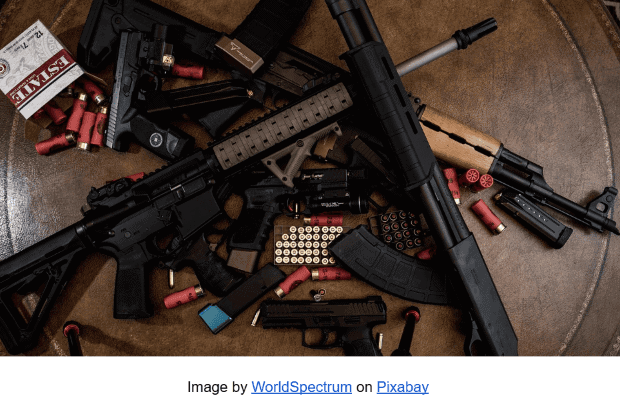
Image by WorldSpectrum on Pixabay
How Firearm Laws Shape Market Prices
Firearm pricing cannot be separated from regulation. Laws at both the federal and state level influence how firearms are made, sold, and transferred, and each requirement adds cost along the way.
Federal Regulations and Compliance Costs
At the federal level, manufacturers and dealers must meet licensing, record-keeping, and background check requirements. These rules require staffing, training, and secure systems, all of which cost money. Over time, those costs are reflected in the final price paid by consumers.
Federal regulations also affect production timelines. When compliance steps slow manufacturing or distribution, supply tightens, and prices tend to rise even if demand stays the same.
State-Level Laws and Price Differences
State laws create noticeable price differences across the country. Firearms that are legal in one state may require modifications or may not be available at all in another. Limited availability reduces competition and often pushes prices higher.
In states with stricter regulations, dealers may face additional licensing fees or storage requirements. These expenses don’t disappear—they are usually absorbed into retail pricing.
Legal Marketplaces and Consumer Access
Legal purchasing channels affect pricing by controlling who can sell and how transactions are completed. Licensed dealers must follow strict transfer procedures, even when listings are viewed online. These safeguards protect buyers and sellers but also increase administrative overhead, which contributes to higher prices compared to unregulated goods.
Supply and Demand Pressures in the Firearms Market
Like any other product, firearm prices respond to supply and demand. What makes this market unique is how quickly demand can shift due to external events.
Political debates, proposed legislation, or high-profile court decisions often trigger sudden buying surges. When many buyers enter the market at once, inventory moves quickly and prices rise as supply struggles to keep up.
Manufacturers also face limits. Firearms require specialized materials, skilled labor, and precise quality control. When production can’t scale fast enough to meet demand, price increases become almost inevitable.
The Role of the Broader Economy
Firearm pricing doesn’t exist in a vacuum. Broader economic conditions shape costs at every level, from raw materials to transportation.
Inflation and Cost of Living Increases
Inflation raises the price of steel, polymers, and other components used in firearm manufacturing. Energy costs affect factories and shipping, while wage increases impact labor expenses. Together, these factors steadily push prices upward.
Even when inflation slows, manufacturers may not immediately lower prices. Higher operating costs often become the new baseline rather than a temporary spike.
Interest Rates and Consumer Spending Power
Higher interest rates reduce discretionary spending. Firearms, particularly higher-end models, are often considered major purchases. When borrowing becomes more expensive, fewer buyers enter the market, which can eventually stabilize or slow price growth.
However, reduced demand doesn’t always mean lower prices. Fixed regulatory and insurance costs mean sellers still need to maintain certain price levels to remain viable.
Liability, Insurance, and Legal Risk
Legal risk plays a surprisingly large role in firearm pricing. Manufacturers and dealers operate in a highly scrutinized environment, and that scrutiny carries financial consequences.
Manufacturer and Dealer Risk Exposure
Firearm businesses face potential lawsuits related to product defects, misuse claims, or regulatory violations. Even when claims lack merit, legal defense costs can be significant. These risks influence pricing decisions across the industry.
Companies often invest heavily in legal teams and compliance audits. While consumers rarely see these efforts, they are part of the cost structure behind every firearm sold.
Insurance Premiums and Their Effect on Pricing
Insurance is another hidden factor. Manufacturers and dealers must carry specialized coverage, and premiums have risen as legal risks increase. Higher insurance costs are typically passed along through higher retail prices.
In some regions, smaller dealers struggle to absorb these expenses. When local competition declines, remaining sellers may raise prices simply to stay in business.
Used Firearms, Collectibles, and Secondary Markets
Not all firearm pricing is driven by new production. Secondary markets operate under their own set of economic and legal pressures.
Scarcity and Historical Value
Discontinued models or firearms with historical significance often command higher prices. Scarcity increases demand, especially among collectors who value originality and condition. In these cases, price reflects rarity rather than function.
Unlike mass-produced firearms, collectible pricing can rise even during economic downturns. Emotional and historical value often outweigh broader market trends.
Legal Transfer Requirements and Added Costs
Even private or secondary sales must comply with transfer laws in many states. Background checks, dealer transfers, and administrative fees add cost to used firearms. These requirements can narrow the price gap between new and used options.
Buyers sometimes assume used firearms are always cheaper, but legal compliance can change that equation quickly.

Image by Alex Andrews on Pexels
What Buyers Should Understand About Firearm Pricing
Firearm prices are the result of layered systems, not simple markups. Legal requirements, economic conditions, and risk management all influence what buyers see on price tags.
Lower prices may indicate fewer regulatory hurdles, while higher prices often reflect compliance, insurance, and limited availability. Understanding these factors helps buyers make informed decisions rather than reacting to surface-level pricing differences.
Being aware of local laws and economic conditions can also prevent surprises. What seems expensive in one market may be standard—or even discounted—in another.
What Firearm Prices Really Tell Us
Firearm pricing is less about sales tactics and more about structure. Each price reflects laws written years ago, economic shifts happening now, and risks that sellers must manage every day.
When viewed this way, prices become signals rather than frustrations. They show how regulation, supply chains, and the broader economy intersect in a tightly controlled market—one where understanding the “why” matters just as much as the final number on the receipt.