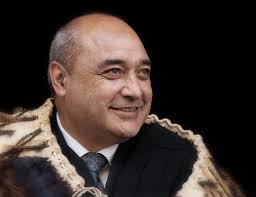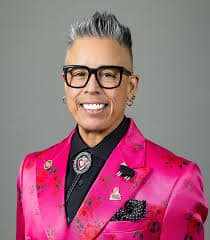

Linda Clark Leaves Dentons for Thorndon Chambers
>> A New Law Job – Check the LawFuel Jobs’ Board Here
The move to the independent bar follows a year of high-stakes injunction work that put Clark at the centre of New Zealand’s biggest media-law flashpoints
Linda Clark has done what a lot of senior lawyers say they’ll do after one too many partnership meetings and to walk out of Big Firm life and take the road to independence. The NZ Herald’s Media Insider broke the news with a very Clark-ish subhead: “Time to take my own advice.”
Clark is joining Thorndon Chambers, the Wellington set known for its concentration of leading silks like Power List KC Jack Hodder, and other KCs like Sir Terence Arnold, Andrew Butler, Daniel Kalderimis, Karen Feint and another Clark, former High Court Judge Karen Clark.
The Clark Moves
Clark has been a partner at Dentons Kensington Swan for six years, co-leading the Wellington public law and dispute resolution team. Her practice has centred on regulatory work, media and defamation law, and acting for high-profile, politically exposed clients.
Clark confirmed the move to the Herald:
“The move to the bar is something I have been considering for some time. It is a natural progression for litigators. I am a great believer in staying curious and continuing to challenge yourself. It was simply time to take my own advice.”
Dentons chair Hayden Wilson called it a credit to Clark that she had “grown and developed the next generation of senior lawyers” in the firm.
Why the Bar, Why Now?
The timing tells its own story. The past twelve months have put Clark at the centre of New Zealand’s most watched suppression and injunction battles, repeatedly facing off against major media organisations in the High Court.
When your day job increasingly involves courtroom heavyweight work and media-law trench warfare, the independent bar is the natural habitat. A legal source told the Herald that Clark was essentially becoming a “gun for hire” on her own terms.
The Year That Made Headlines
The McSkimming Super-Injunction
In May 2025, Clark secured a rare “super-injunction” for former Deputy Police Commissioner Jevon McSkimming, suppressing not only the details of alleged objectionable material found on his work devices but, initially, the very existence of the court order itself.
RNZ reported that media organisations including NZME, RNZ and Stuff opposed the injunction. Clark stepped back from her TVNZ board seat to manage the potential conflict. TVNZ chair Alastair Carruthers told 1News that Clark had been “scrupulous in her disclosures.” The government did not reappoint Clark when her term came up for renewal.
The Tom Phillips Injunction
In September 2025, hours after Tom Phillips was killed in a police shootout, Clark went to the High Court seeking an urgent injunction on behalf of Phillips’ mother.
The NZ Herald reported that Justice Helen Cull granted the order preventing media, police and Oranga Tamariki from publishing certain details. The injunction remains in place, with Clark facing off against NZME, Stuff, TVNZ, RNZ and Newsroom in ongoing proceedings.
The Clark CV
Broadcasting career: Before law, Clark was TVNZ’s political editor and later hosted RNZ’s Nine to Noon programme, winning awards as one of the country’s most influential political interviewers.
The hard pivot: NZ On Screen notes Clark left journalism in 2006 to study law, graduating in 2011. She joined Kensington Swan in 2014 and made partner in 2019.
Directory recognition: Clark is ranked by The Legal 500 and Chambers in public law and government/regulatory work.
High-profile client work: Clark has represented Clarke Gayford in a defamation matter against NZME; Rachel MacGregor in the Colin Craig case; former Speaker Trevor Mallard; and was part of the panel reviewing RNZ’s editorial practices after pro-Russian edits appeared in Ukraine coverage.
The Controversial Bits
Conflict and Independence Optics
Taking leave from the TVNZ board while seeking reporting restrictions was framed as conflict management.
Critics argued a public-broadcaster director should not be fronting gag orders against the media. Supporters framed it as principled application of media law for unpopular clients, consistent with the cab-rank rule.
Political-Bias Chatter
In 2014, questions arose about Clark’s media training for Labour leader David Cunliffe while working as a TV3 commentator. TV3 defended her position, emphasising she was a panellist, not a journalist, and consistently managed conflicts.
The Superinjunction Narrative
LawFuel has previously examined the tension between open justice and the use of superinjunctions, with Clark’s McSkimming and Phillips work attracting criticism as examples of powerful clients shutting down scrutiny.
Calling Out the Legal Establishment
In 2018, Clark wrote a widely-read Spinoff piece criticising the profession’s handling of the Russell McVeagh scandal:
“Deflection, minimisation, contextualising, excusing; lawyers have shown this week they are experts at all this. You might say it’s part of the profession’s culture.”
Linda Clark sits at the collision point between Wellington politics, big-firm public law, and national broadcasting. Her trajectory is a case study in conflict management – a state broadcaster director, a global firm partner, and counsel seeking orders that constrain the press, all in a market small enough that everyone reads the same headlines.
It’s also a reminder that the most marketable public-law brands are often built on high-risk instructions involving sex, power, scandal and suppression, generating both client loyalty and reputational blowback.
It’s all part of being a big name in a small country.
Clark joins Thorndon Chambers at the Old Government Buildings on Lambton Quay. The move gives her autonomy to take the cases she wants, on her terms. For a lawyer whose practice increasingly involves representing clients the media wants to write about, that independence may be exactly what the next chapter requires.