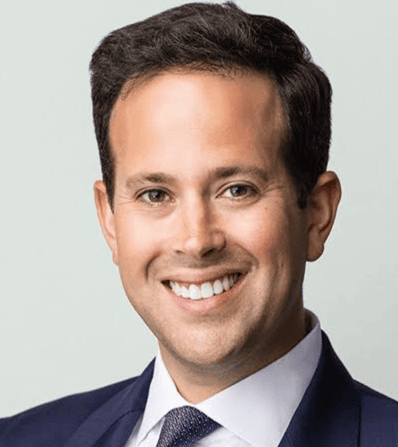
Powered by LawFuel –Matthew Miller, Robert Nolan and Michael Fluhr join DLA Piper’s Litigation practice in Northern California

February 10, 2020 – DLA Piper announced today that Matthew Miller and Robert Nolan have joined the firm’s Litigation practice as partners in Northern California, based in the San Francisco office, and Michael Fluhr has joined as of counsel, also based in San Francisco.
Miller has extensive experience in cryptocurrency and blockchain matters, as well as complex business litigation and breach of contract and unfair competition matters, including misappropriation of intellectual property, business interference torts, breach of employment contracts and breach of joint venture agreements. His practice also includes a broad range of employment, product liability, real estate and construction litigation.
Nolan focuses on unfair competition, trade secret misappropriation and intellectual property disputes. He represents technology companies in commercial disputes and class action litigation. He also has broad experience representing companies in international disputes and arbitrations. He has served as outside general counsel to a family owned and operated business for many years, and he currently serves on the board of directors of OneJustice, a nonprofit legal services organization.
Fluhr focuses his practice on various types of complex commercial litigation, including in the fields of securities, blockchain and digital assets, and product liability.
“The addition of Matt, Rob and Michael to our practice will strengthen our commercial litigation capabilities considerably, as they bring experience successfully handling a wide range of disputes in areas that are top of mind for our clients now and will continue to be highly relevant in the future,” said James Brogan, co-chair of DLA Piper’s US Litigation practice.
“We are thrilled to be expanding our San Francisco-based team with the addition of these three accomplished litigators,” said Stephen Cowan, managing partner of the firm’s San Francisco office. “As we continue to grow our presence in Northern California, Matt, Rob and Michael will be valuable resources for clients operating in a wide range of sectors, and we are pleased to welcome them on board.”
Miller, Nolan and Fluhr join from Squire Patton Boggs. Miller received his J.D. from Georgetown University Law Center and his B.A. from the University of California, Los Angeles. Nolan received his J.D. from the University of California Hastings College of Law and his B.A. from Tufts University. Fluhr received his J.D. from Harvard Law School and his B.S. from Pennsylvania State University.
Recent LawFuel Headlines
- Behind on Taxes in Savannah? A First-Steps Guide to the IRS and the Georgia DOR
- Lawfront Hits £175m As Private Equity Legal Roll-Up Adds Two More Firms
- Top 5 Custom AI Development Companies for Growth in 2026
- Slaughter And May Still Rules London’s Listed Market. The Problem Is The Market Is Shrinking
- Big Law Firms Have Been Keeping the AI Savings – Now Wall Street Wants Them BackGoldman Sachs, Morgan Stanley and Citi are asking a rather uncomfortable question of their outside lawyers: if AI is making legal work faster, why aren’t the bills getting smaller? Power Points Goldman Sachs, Morgan Stanley and Citigroup are pushing major law firms to demonstrate how AI efficiencies are being reflected in their legal bills. Citi has begun asking firms bidding for work to explain their AI-related savings, while Morgan Stanley is moving much of its outside legal work toward competitive bidding and alternative fee arrangements. The pressure goes directly to the BigLaw leverage model, where armies of associates traditionally generated large volumes of billable hours. New LexisNexis research shows 94 per cent of lawyers now use AI for legal work and 55 per cent expect AI to change law firm billing. The battle is shifting from whether lawyers should use AI to a much more interesting question: who gets the financial benefit? For the past few years BigLaw has been enthusiastically telling anyone within PowerPoint range that artificial intelligence will transform legal practice and clients have been listening.
- When a Software Bug Becomes a Legal Problem: What Businesses Should Know
- Does Your Massachusetts Police Report Go to Your Insurer?
- Legal AI – Can’t Work Without It: Why 15% of Big Law Attorneys Are Now Officially Dependent on AIAccording to fresh survey data from LexisNexis UK, 15% of lawyers at large commercial law firms now admit they are completely dependent on AI to carry out their daily legal work. The reliance is almost as pronounced in corporate legal departments, where 13% of in-house counsel report identical dependency. Artificial intelligence in the legal sector has crossed the rubicon from experimental pilot project to standard operating equipment. Log in to read ., .
- Why Modern Law Firms Need Smarter Access Control Systems to Protect Client Confidentiality