

Criminal barristers in Australia are quitting the bar as a result of the loss of work caused by the pandemic, according to a report in Melbourne’s Age newspaper.
Criminal Bar Association chair Daniel Gurvich, QC, told the newspaper that there was a “profound and fairly devastating” impact on his profession, with young barristers disillusioned by their future prospects and the criminal justice system facing years to recover.
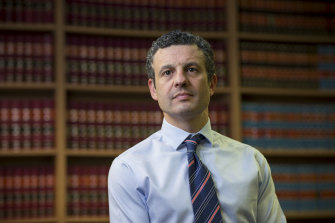
“Almost all criminal barristers, irrespective of their experience or years at the bar, have had a reduction of briefed work, and about two-thirds of our members have had their work cut by more than half,’’ Mr Gurvich told The Age.
“I’m deeply concerned about our most junior members because they are the most vulnerable and won’t be able to cover the expense of chambers and will be disillusioned with life at the criminal bar.’’
The situation regarding criminal barristers is similar to that seen in other jurisdictions like the UK.
An Australian Criminal Bar Association survey of members highlighted the work differences with almost 70 per cent of the respondents working more than 40 hours per week before the pandemic saw 65 per cent now working fewer than 20 hours per week. Only 5 per cent of criminal barristers have enough work for full-time hours.
The Age reported that the financial implications are bleak for the barristers, with about two-thirds reporting the loss of more than half their usual income.
One in six barristers said they were likely or extremely likely to stop practising temporarily to find other work to pay their bills, while 9.4 per cent said they were likely to quit the bar altogether.
The dearth of criminal law work has prompted Adam Chernok, a junior barrister who should be entering the most productive years of his career, to swap his robes for a wetsuit and go surfing.
He said the financial woes facing barristers such as himself was devastating both for the barristers and their clients – in both the short- and long-term.
New Zealand Situation

The situation in New Zealand is different, according to NZ Bar Association President Len Anderson QC who told LawFuel that he ws unaware of criminal barristers leaving the Bar.
“The absence of trials (and in particular jury trials) has affected income but the government assistance has been welcome and utilised by those lawyers suffering a significant decrease in income,” he said.
“There have been some gains during the lockdown including the increased use of AVL, particularly in relation to communicating with clients in prison.”
Leave your views on the situation, or email us at lawfuel@gmail.com
[adrotate banner=”94″]
Recently on LawFuel
- Skadden Arps Meagher & Flom LLP

 Power Listing Skadden, Arps, Slate, Meagher & Flom LLPUnited States | GlobalCorporate,… Read more: Skadden Arps Meagher & Flom LLP
 - Understanding the Key Differences Between Tort Law and Personal Injury LawArticle source: Kass & Moses, Injury Attorneys Tort law and personal injury… Read more: Understanding the Key Differences Between Tort Law and Personal Injury Law
- How an Experienced Car Accident Attorney Like Lawrence Kajy Helps Victims Understand Their Legal RightsArticle source: Kajy Law Firm, Michigan After a car accident, confusion often… Read more: How an Experienced Car Accident Attorney Like Lawrence Kajy Helps Victims Understand Their Legal Rights
- What Evidence Does the Jury Consider When Deciding Punitive Damages?Article source: Brian White Personal Injury Lawyers Texas has a unique legal… Read more: What Evidence Does the Jury Consider When Deciding Punitive Damages?
- Understanding the Difference Between a Lawyer and an Attorney

 Article source: Meyers Injury Law Most of us think the terms “lawyer”… Read more: Understanding the Difference Between a Lawyer and an Attorney