A senior lawyer’s misconduct case has peeled back the curtain on what prosecutors describe as a full-blown system breakdown at a North Island law firm. Missed court deadlines, inadequate supervision of juniors, unlawful “de facto” practice, and a staff walk-out triggered by an “unpleasant” email.
The prosecution, brought by the Law Society’s National Standards Committee, wrapped up its case this week with closing submissions that painted a damning picture.

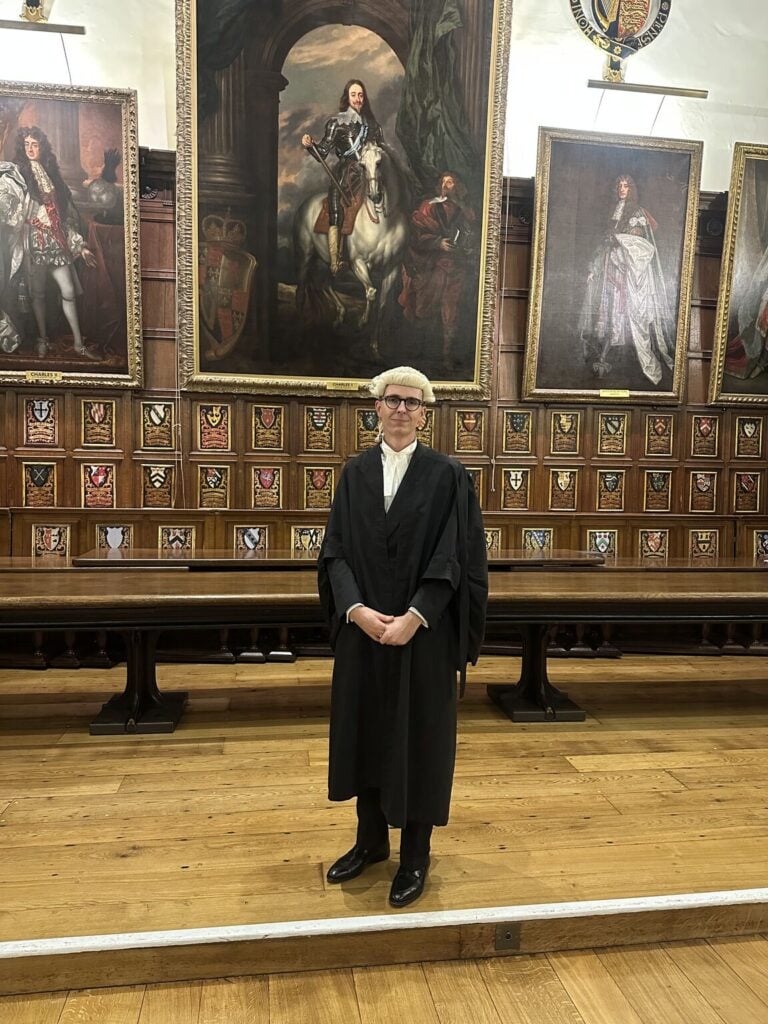
Timothy Bain, (pictured) Luke Cunningham partner and counsel for the Standards Committee, didn’t mince words: missed deadlines, staff churn, client service failures, and woeful oversight all added up to a firm where things were, quite literally, falling apart.
The Charges in Focus
The senior lawyer faces four misconduct charges. She has already admitted one of failing to refer a client for independent advice.
The remaining allegations include:
- Practising without authority: Allegedly acting on her own account (de facto running legal services) between 2017 and 2022 without the required practising certificate to do so.
- Failure to supervise: Not adequately overseeing junior staff, leaving them ill-equipped for court appearances and client work.
- Breach of professional duties: Broader failures in delivering competent services to clients amid the chaos.
A firm “director” (who cannot be named due to suppression orders) also faces his own misconduct charge related to inadequate supervision.
“Stark” Examples of Breakdown
Bain pointed to concrete failures during the hearing, including a Court of Appeal deadline that was simply “overlooked”, described as a fairly stark example of how the system had crumbled. Heavy workloads, lack of support, and deteriorating work quality allegedly contributed to a mass resignation after one junior received an unpleasant email from the senior lawyer.
Defence arguments are expected to counter that some practices were “normal” in the firm environment, but the prosecution has framed the issues as clear breaches of the Conduct and Client Care Rules, particularly Rule 10 on supervision.
Pain Points for Smaller Firms
The case highlights perennial pain points in mid-sized and smaller firms, including blurred lines around practising certificates for employed seniors, the real cost of inadequate junior oversight, and the risks when management structures fail to keep up with day-to-day legal work.
The need for smaller firms to invest in meaningful supervision and support systems for juniors is a stark takeaway from the case.
The Lawyers and Conveyancers Disciplinary Tribunal hearing continues, with further details subject to non-publication orders.