Article source: Bay Management Group TX
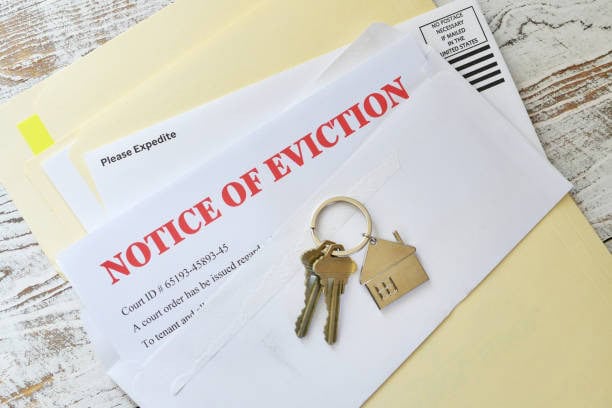
Picture this: the last couple of months have been financially tough for you, and you’ve missed a few rent payments, but you’re hopeful things will turn the tide in a few weeks. That’s until you come home and meet an eviction notice. At this point, most tenants would start shaking, so what do you do next?
But instead of treating a notice like a “do not pass go” card, you should view it as the beginning of a legal process rather than the final word. That’s why we’ve put together this article to help tenants review their legal options after an eviction notice.
What is an Eviction Notice?
An eviction notice is a formal written document from a landlord informing a tenant that they must correct a lease violation or vacate the rental property within a specified period. In other words, it is a notification to act or risk the termination of your lease. Most tenants make mistakes that they assume this intimidating notice is an immediate court order to move out of the house. That’s why Bay Property Management Group Texas encourages tenants to communicate clearly to prevent eviction notices.
Difference of Notice vs. Court-Ordered Eviction
If a tenant hasn’t paid rent in a while or causes severe damage to the property, the landlord may issue an eviction notice. This document informs the renter that the landlord plans to begin a formal eviction proceeding if the issue is not resolved. As a result, a notice is more like a warning, giving you time to pay overdue rent, correct lease violations, or negotiate with your landlord. In some instances, if you disagree with the reason for eviction, it could be your opportunity to prepare a legal defense.
In comparison, a court-ordered eviction comes after the landlord has filed for eviction in court and the judge rules in their favor. After all, only the court has the authority to legally require a tenant to leave the property. Besides the court ruling, law enforcement officers such as sheriffs or bailiffs may come to the property to enforce the order by escorting you out.
Can You Still Pay Rent After Receiving an Eviction Notice?
Yes, you can. But you have to communicate immediately if you intend to pay rent after eviction notice as timing can affect legal outcomes. If you received a “pay or quit” notice, it means you can still rectify the issue with your landlord by covering the weeks or months of outstanding rent within the allotted timeframe. However, once the deadline in the notice passes, and your landlord starts the eviction process in court, paying the owed rent may not be enough to automatically stop the eviction. At that point, both parties would have to agree or seek legal counsel as the proceedings move forward. Of course, eviction laws also vary widely by location, and it’s essential for you to review the notice and local laws to understand what applies to your specific circumstance.
Understanding the Legal Timeline After Late Rent
Typical Grace Period
Many rental agreements include a grace period after the rent due date. This is a short window that allows you to still pay rent without facing penalties or formal action from the landlord. During this period, landlords typically cannot issue an eviction notice. Once the grace period ends, late fees may apply, and your landlord may move forward with formal steps such as issuing a notice for non-payment. That’s why you should always review your lease agreement and local housing regulations to know the length of your grace period.
Notice Period
If rent remains unpaid after the grace period, the landlord may issue a formal notice. This notice informs the tenant that rent is overdue and provides a specific amount of time to either pay the balance or vacate the property. These notices are often referred to as “pay-or-quit” notices, and the timeframe can vary widely, but it commonly ranges from a few days to a couple of weeks, depending on local law. During the notice period, you still have the opportunity to resolve the issue by paying the outstanding rent or negotiating with the landlord before the situation escalates to a court filing.
Why Timelines Differ by State and Municipality
Eviction procedures are primarily governed by state and local laws. As a result, the required grace periods, notice timelines, and court procedures can differ significantly between locations. Some states have strict tenant protection laws that require longer notice periods and additional legal steps before eviction can proceed. Others allow landlords to move more quickly once rent becomes overdue. Because of these differences, tenants should always check the specific laws that apply in their city or state to understand their exact rights and deadlines.
Conclusion
Getting an eviction notice may make you nervous, but it’s essential to remember that it doesn’t mean you have to leave immediately. Take it as a warning that you can pay your outstanding debt or correct the lease violation. You may be able to halt the eviction process and stay. On the other hand, if you exceed the typical grace or notice period in your state, you could be facing a court-ordered eviction, which is an unconditional legal decision to quit your tenancy and leave the property.