Power Points:
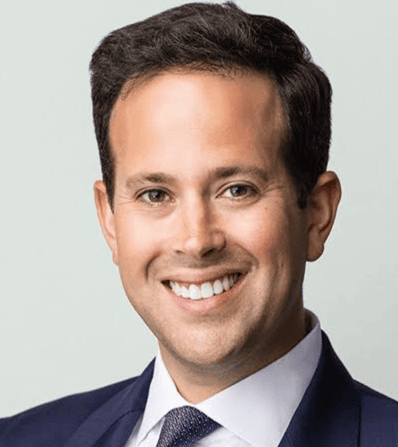
- Michael Aiello, chair of Weil Gotshal’s 600-lawyer corporate department and widely described as the firm’s most powerful partner, has told the firm he is resigning and is expected to join Cravath, Swaine & Moore.
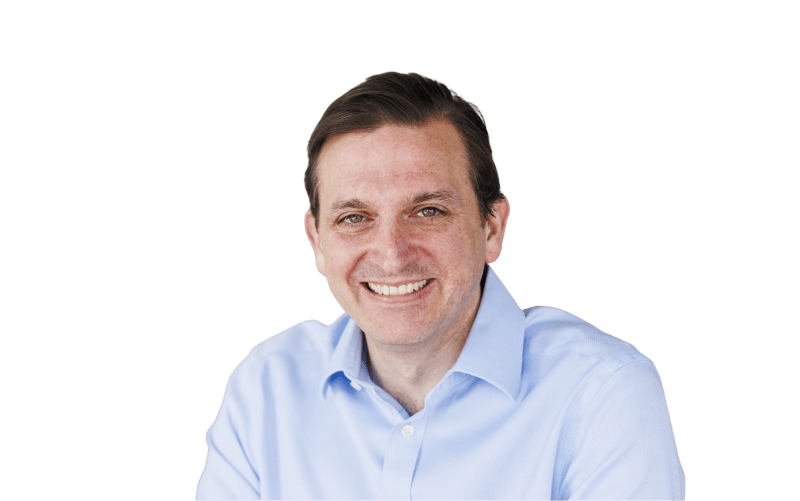
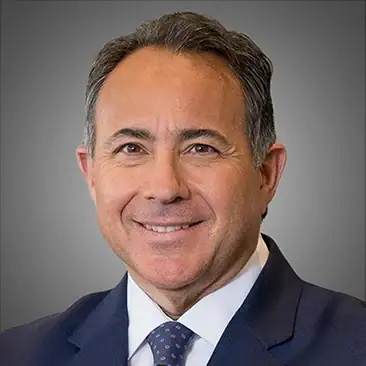
- He is not going alone. M&A co-head Matt Gilroy, Amanda Fenster and Michelle Sargent are reported to be moving with him.
- The exit lands on top of a run of Weil leadership departures: private equity co-head Chris Machera, private funds co-head Stephanie Srulowitz and PE partner Brian Parness, with Simpson Thacher and Paul Weiss the main beneficiaries.
- Aiello was named chair of Weil’s new global leadership and strategy committee, the body built to manage the succession from Barry Wolf to Ramona Nee. The architecture has lost its architect.
- For Cravath, the hire completes a decade-long conversion: the firm that invented lockstep and grew its own partners is now an aggressive buyer in a market where top rainmakers command $20 million-plus.
- He is not going alone. M&A co-head Matt Gilroy, Amanda Fenster and Michelle Sargent are reported to be moving with him.
Weil, Gotshal & Manges has spent three weeks losing partners and then on Friday it lost the one who mattered most.
Michael Aiello, chairman of Weil’s 600-lawyer corporate department and the man colleagues routinely describe as the firm’s most powerful partner, has told Weil he is resigning. He is expected to surface at Cravath, Swaine & Moore, according to Bloomberg Law, which cited two people familiar with the situation. The Wall Street Journal reported it first. Neither firm had commented at the time of writing.
Aiello is not a name partner or a figurehead. He is a Band 1 Chambers M&A lawyer who actually sells the work. He advised Fox Corp on its $22 billion acquisition of Roku in June, led Weil’s team for MarketAxess on its $6 billion sale to Intercontinental Exchange in July, and acted for Barilla on its purchase of Goodles last week.
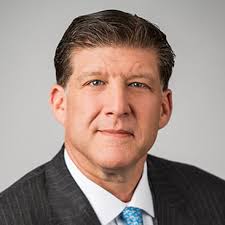
He is also taking people: M&A co-head Matt Gilroy, (right) plus partners Amanda Fenster and Michelle Sargent.
The Boomerang Came Back the Other Way
The detail that will sting inside Weil is a marketing interview released only recently, in which executive chair Barry Wolf called Aiello his closest friend at the firm and “the original boomerang”, a nod to Weil’s favourite growth trick of rehiring partners who had left for rivals. Weil pulled the trick again this week, welcoming private capital partner Damian Ridealgh back from Freshfields.
Boomerangs, as any Australian reader will tell you, only return if you throw them properly.
Aiello himself arrived at Weil in 2007 from Dewey Ballantine, where his mentor was the star M&A partner Morton Pierce. Dewey merged with LeBoeuf Lamb later that year and collapsed in 2012, killed in large part by guaranteed pay deals it could not honour and an exodus of the rainmakers it had bought.
That is not a prediction about Weil, which says it is heading for record revenue and profitability in 2026 and has added more than 50 lateral partners since the start of 2025. But it is simply the reason every managing partner reading this story gets a small cold feeling.
What Weil actually lost
The departures since mid-August read like a leadership chart with lines drawn through it. Chris Machera, co-head of private equity, is understood to be going to Paul Weiss. Stephanie Srulowitz, co-head of US private funds, has gone to Simpson Thacher, where Brian Parness and a group of others are reportedly heading too. Machera and Parness were both partners Aiello is credited with recruiting.
The timing is the problem. Weil named private equity partner Ramona Nee to succeed Wolf as executive partner, and in the same breath handed Aiello the chair of a new global leadership and strategy committee overseeing firm growth.
Nee has some headaches to deal with, he now inherits a succession structure whose most powerful member has resigned, a corporate department without its chair, and a private equity practice missing both of its recent co-heads.
Cravath Stopped being Cravath a While Ago
Cravath has long been a shining beacon in biglaw talk – deals, money, the famed Cravath ‘Scale – as well as being the firm that gave the profession lockstep and the idea that you grow your own lawyers rather than buy them.
It broke its partner lockstep in late 2021, added a non-equity tier in November 2023 and has been hiring laterally ever since. Presiding partner Faiza Saeed, herself an M&A heavyweight who acted for Paramount on its $110 billion Warner Bros. Discovery agreement, has been converting prestige into buying power.
Taking a rival’s corporate chair and a slice of his bench is the loudest version of that strategy yet.
What Should We Take From These Moves?
Three things are worth holding onto.
First, committee seats are not retention andAiello had the title, the strategy chair and the succession role, but he left anyway. Firms that think governance buys loyalty are paying for the wrong thing.
Second, this is a team market, not a talent market. Gibson Dunn took six litigators out of Wachtell in July, including co-chair William Savitt.
Pirical data shows 286 of the partners hired laterally by Am Law 200 firms in Q2 2026 were litigators, with New York alone absorbing 152 lateral partner hires in the quarter. Buyers seeking these teams want practices that land intact with the client relationships attached, not just the solo law stars who need rebuilding.
Third, law firmeconomics now justify almost any number. The 2026 Am Law 100 showed average profits per equity partner up 14 per cent to $3.59 million, with Wachtell above $12 million and Kirkland above $11 million. When a partner controls a book worth nine figures in annual revenue, a $20 million package is a defensive purchase, not an indulgence.
For associates and juniors watching this, the lesson is blunter still. The institution you joined is a smaller thing than it used to be.
The platform, the practice and the partner you work for are now the durable units. Firms sold loyalty for a century. The market has repriced it.